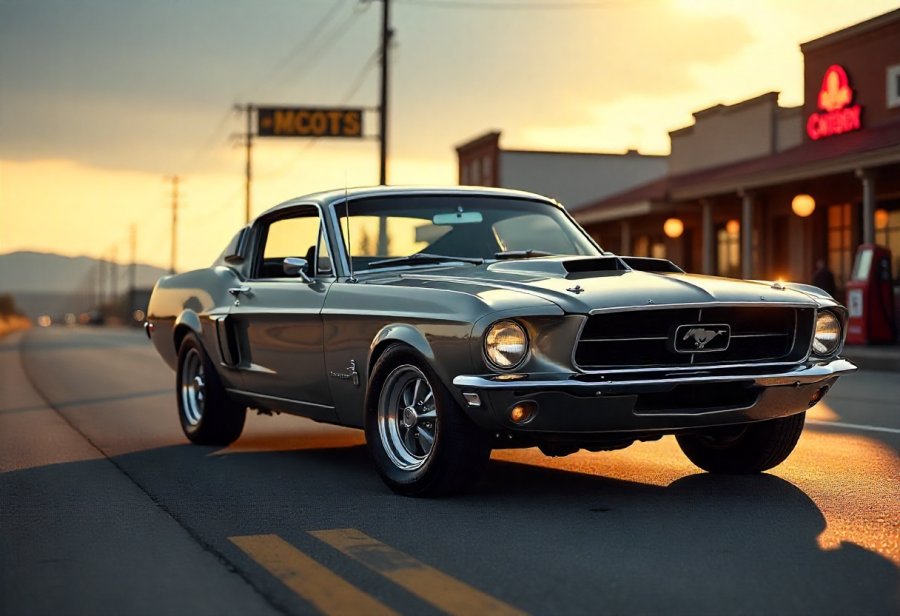
The Chevrolet Corvette stands as an enduring symbol of American automotive passion, blending raw power with refined design to ignite driver emotion and inspire legacies. From its pioneering fiberglass body in 1953 to the revolutionary mid-engine C8, each generation has pushed technological boundaries while staying true to its core identity of speed, style, and freedom. This relentless evolution—from iconic split-window designs to high-tech hybrid and electric models—raises a compelling question: Can future innovations preserve the visceral thrill that defines the Corvette? Driving a Corvette is more than performance; it’s a sensory journey that connects driver and machine through roaring engines, precise handling, and an immersive cockpit. As the industry shifts toward electrification, the Corvette’s challenge will be to maintain its soul—speed that stirs the spirit—while embracing sustainability. Will this legendary car continue to captivate hearts and redefine the American sporting ethos for generations to come?
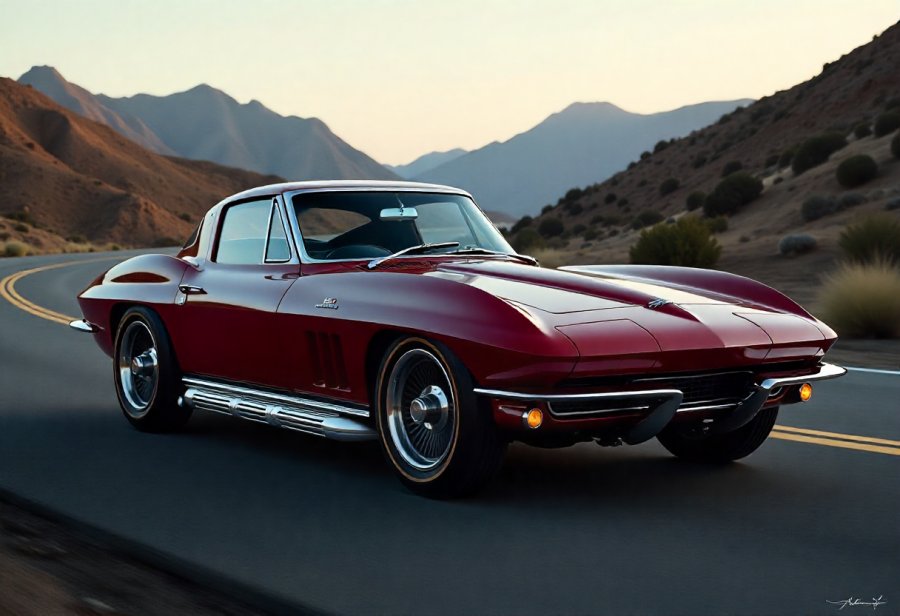
The Corvette: An Icon of American Ingenuity and Freedom
The Chevrolet Corvette is more than just a car; it’s a symbol of American ingenuity and passion that has left a lasting mark on automotive culture. Since its debut in 1953, the Corvette has stood for innovation, combining striking design with cutting-edge engineering. It’s a vehicle that has captured the imagination of enthusiasts and casual drivers alike, becoming an icon representing speed, style, and the spirit of freedom.
What makes the Corvette truly special is its ability to balance performance with accessibility. It’s designed for those who crave excitement behind the wheel but also takes pride in American craftsmanship. Over the decades, it has evolved from a lightweight fiberglass sports car into a high-performance machine, continually pushing technological boundaries while staying true to its core identity. From the roaring V8 engines of early models to today’s hybrid and electric options, the Corvette’s journey reflects a relentless pursuit of excellence.
Beyond its technical achievements, the Corvette has become woven into American pop culture. It appears in movies, music, and countless car shows, often symbolizing rebellion, achievement, and the open road. Its presence evokes feelings of independence and adventure, connecting drivers to a long-standing legacy of freedom and exploration. For many owners, the Corvette isn’t just transportation; it’s a statement of personality and a rolling piece of art that embodies the American dream.
The Corvette’s significance also lies in its ability to adapt and innovate. Each new generation introduces fresh design elements, advanced materials, and innovative technologies, yet the essence remains the same: a commitment to performance and emotional driving experience. Whether it’s the classic Stingray or the modern mid-engine C8, every model tells a story of progress and perseverance, ensuring the Corvette continues to inspire new generations of enthusiasts.
Today, the Corvette remains a benchmark among American sports cars. Its influence extends beyond the road, shaping industry trends and inspiring countless other vehicles. It’s a testament to American resilience, creativity, and the unyielding pursuit of speed. In a rapidly changing automotive landscape, the Corvette’s legacy endures—an emblem of passion that continues to excite and motivate drivers around the world.
Tracing the Corvette’s Evolution: From fiberglass to modern marvels
The story of the Corvette’s evolution is a testament to American innovation and resilience. Starting with the 1953 model, Chevrolet introduced a sleek fiberglass body paired with a potent V8 engine, setting a new standard for performance and design. This first effort was more than just a sporty car; it was a bold statement that redefined what an American sports car could be—light, stylish, and packed with power. From that point, each generation has pushed boundaries, experimenting with new materials, styles, and technologies to keep the Corvette at the forefront of performance.
In 1963, the Stingray made its debut, capturing attention with its split rear window and aggressive curves. This design was more than striking; it marked a shift toward aerodynamic thinking and daring aesthetics. The Stingray helped establish the Corvette’s reputation as a serious contender, blending high performance with eye-catching style that appealed to both racers and enthusiasts. Its bold lines and innovative features set the tone for future models.
The late ’60s and early ’70s saw the rise of the C3 generation, with long, flowing lines and muscular contours. This era emphasized power and presence, turning the Corvette into a symbol of raw American muscle. Special editions and high-performance variants, like the ZR-1, pushed the limits of speed and handling, cementing the car’s reputation on the track and street alike.
Advancements in technology in the ’80s and ’90s brought more refined designs and engineering. The C4 and C5 models introduced aerodynamic improvements, better suspensions, and more sophisticated engines. The C5, in particular, balanced power and efficiency with lighter materials and electronic fuel injection, making it more practical without sacrificing performance—a move that broadened the Corvette’s appeal.
The 2000s marked a shift toward sharper styling and a more driver-focused interior with the C6. The Z06 became a standout, appreciated for its lightweight build and track-ready capabilities. Throughout this period, the Corvette stayed competitive, continuously evolving while respecting its muscle car roots. It proved that American craftsmanship could combine speed, style, and everyday usability seamlessly.
The most radical change came with the C8 in 2020, which introduced a mid-engine layout. This design transformed handling and balance, delivering a more connected driving experience. Its aggressive styling and aerodynamic enhancements signaled a new chapter—one that honors tradition while embracing cutting-edge engineering. The C8 proved that the Corvette could reinvent itself without losing its core identity, pushing performance to new heights.
Today, the Corvette continues to evolve with hybrid and electric options on the horizon. Each new generation builds on a rich legacy of innovation, ensuring the model remains relevant and inspiring. Its journey from fiberglass classics to modern supercars reflects a relentless pursuit of excellence—proof that the Corvette’s legacy is as dynamic as the roads it conquers.
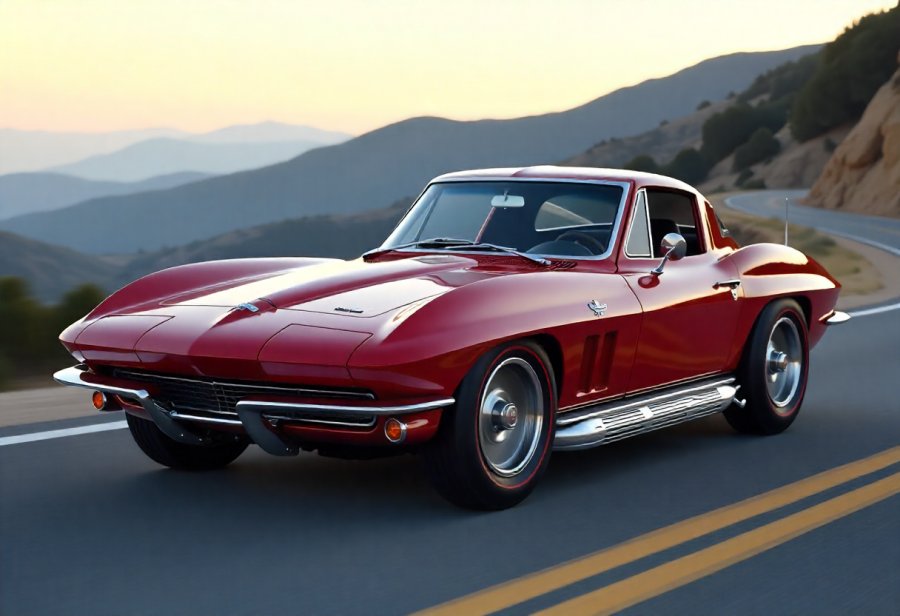
The Corvette Today: Innovation, Design, and the Road Ahead
Today’s Corvette lineup exemplifies a perfect balance of cutting-edge technology and striking design, keeping the model fresh and highly relevant. The latest C8 and upcoming C9 models stand out for their mid-engine layouts, a significant departure from traditional front-engine designs. This shift has dramatically improved handling, stability, and driver engagement, offering a more connected and exhilarating experience behind the wheel. Modern Corvettes incorporate lightweight materials like carbon fiber and high-strength alloys, which enhance speed and agility without sacrificing sleekness or aerodynamics.
Technology plays a central role in maintaining the Corvette’s appeal. Digital instrument clusters, driver-assist systems, and customizable driving modes create a more intuitive and responsive driving experience. These features not only boost safety but also allow drivers to tailor their ride—whether navigating city streets or pushing their limits on the track. Despite these modern updates, the Corvette remains rooted in its performance heritage, continuously pushing the boundaries of what an American sports car can deliver.
The C8, introduced in 2020, marked a major turning point for the brand. Its mid-engine layout redefined handling dynamics, providing a balanced, agile feel that rivals high-end European sports cars. Its aggressive styling, with sharp lines and aerodynamic vents, signals speed even when stationary. Inside, the cockpit is designed to be driver-centric, with premium materials and a layout that keeps everything within easy reach. This combination of form and function has earned widespread praise, reaffirming the Corvette’s position at the top of the American performance scene.
Looking ahead, the next generation, the C9, promises even greater innovation. Rumors suggest hybrid and fully electric powertrains that will offer rapid acceleration and quieter operation, appealing to a new wave of enthusiasts seeking speed and sustainability. The challenge will be preserving the emotional connection—the visceral thrill of driving—that has made the Corvette an icon. Future models will likely feature advanced composites and aerodynamic enhancements to stay competitive with European rivals and emerging electric sports cars, all while honoring the legacy of American performance.
What keeps the Corvette relevant today is its passionate community of owners, enthusiasts, and collectors. They participate in club events, track days, and customization projects that celebrate the car’s storied history. Vintage models are preserved and showcased, inspiring new drivers and maintaining the brand’s cultural significance. This vibrant community fuels ongoing innovation and ensures that the Corvette’s influence extends well beyond the roads, shaping industry trends and inspiring generations to come.
The Corvette Experience: Connecting Heartbeat and Machine
Driving a Corvette is an experience that transcends mere transportation. It’s about feeling deeply connected to the road and the machine beneath you, turning every drive into a sensory journey. When you press the accelerator, the engine’s roar—whether it’s a thunderous V8 or a high-tech hybrid—immediately awakens your senses. That sound isn’t just noise; it’s a symphony of power that ignites adrenaline and makes each moment behind the wheel unforgettable.
The responsiveness of the Corvette amplifies this emotional connection. Precise steering, quick throttle reactions, and confident braking give you a sense of control that feels almost instinctive. Modern models, with their advanced suspension systems and aerodynamic design, respond seamlessly to your inputs, making every turn feel deliberate and thrilling. It’s not just about speed—it’s about feeling in harmony with the car, a dance between driver and machine.
Inside the cockpit, every element is designed to heighten your engagement. Tactile controls, a driver-focused display, and premium materials create an environment that draws you in. You’re not merely sitting; you’re immersed in a space built for focus and excitement. The seats hug you, the controls respond to your touch, and digital feedback keeps you aware of every nuance, making each drive feel purposeful and alive.
Engineering plays a crucial role in this experience. The handling capabilities, especially in newer models like the C8, are crafted to make you feel confident at high speeds. Its mid-engine layout offers a balanced, agile feel that turns driving into an act of harmony. Many drivers describe it as feeling as though the car anticipates their every move, translating instinct into seamless motion.
More than mechanics, it’s the emotion that makes driving a Corvette exceptional. The sound, the response, the visceral sensation of speed—each element stirs the soul. It transforms everyday driving into a celebration of freedom and adrenaline, where the car becomes an extension of your passion. This isn’t just a machine; it’s a vessel of exhilaration that awakens your senses and reconnects you with the pure joy of driving.
Every journey in a Corvette is a sensory adventure. The thrill of acceleration, the tactile feel of the wheel and pedals, the wind rushing past—all combine to create an experience that’s hard to match. Modern Corvettes are engineered to deliver this perfect balance—power and finesse, speed and control—making you feel truly alive behind the wheel.
Ultimately, driving a Corvette is about more than performance figures. It’s about capturing a feeling of liberation, mastery, and excitement that stays with you long after you’ve parked. It’s a reminder that speed and style, when combined with emotion and craftsmanship, can create something truly unforgettable—an experience that resonates well beyond the road.
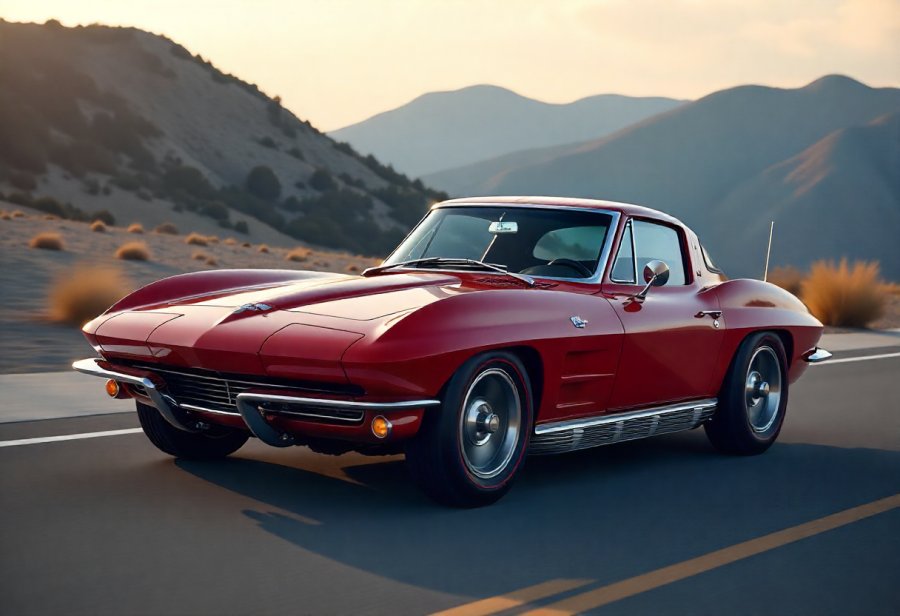
Pioneering the Future: Corvette’s Journey Toward Electric Excitement
The future of the Corvette promises a seamless blend of cutting-edge technology and the timeless spirit of American performance. As the automotive industry shifts toward electrification, Corvette is poised to lead with hybrid and fully electric models that deliver the same exhilarating speed enthusiasts crave. These advancements aim to preserve the emotional connection of driving while embracing sustainability, ensuring the Corvette remains relevant for generations to come.
Hybrid systems are already making their mark, offering instant torque and improved efficiency without compromising on adrenaline. Fully electric variants are expected to provide near-instant acceleration and a quieter, more refined driving experience. The challenge lies in maintaining the visceral thrill that has defined Corvette for decades—speed that stirs the soul, not just numbers on a dashboard.
Beyond powertrains, future Corvettes will likely integrate autonomous driving features and advanced connectivity, enhancing safety and convenience. These systems will allow drivers to enjoy high performance while benefiting from modern digital innovations. Yet, even with these technical upgrades, the core of the Corvette—the raw emotion of speed and the allure of its distinctive design—will stay central.
Lightweight materials and aerodynamic improvements will continue to push the boundaries of performance. Expect upcoming models to incorporate innovative composites and sleek design elements that reduce weight and boost handling. This focus on engineering excellence will help the Corvette stay competitive with European rivals and emerging electric sports cars, proving that innovation and tradition can go hand in hand.
What remains clear is that the Corvette’s identity as a symbol of resilience and ingenuity will endure. Its evolution will prioritize preserving the emotional connection that has captivated drivers for decades, even as new technologies transform the driving experience. The challenge will be to honor the legacy of speed, style, and passion while adapting to a rapidly changing landscape.
The ongoing integration of advanced materials and aerodynamic techniques will ensure that each new generation continues to impress. Future models will embody a perfect balance of performance and sustainability, inspiring new drivers and reaffirming the Corvette’s role as an American icon. Its ability to innovate without losing its soul will keep it at the forefront of automotive passion.
As electric and hybrid powertrains become more prevalent, the Corvette’s design language and driving dynamics will evolve but never stray far from their roots. The car will remain a vessel of excitement, capturing the thrill of acceleration and the joy of spirited driving. This continuous reinvention will ensure that the Corvette’s legacy not only endures but thrives.
In the end, the future of the Corvette is about more than just technology; it’s about maintaining the emotional connection that makes it legendary. Every innovation will serve to amplify that passion—speed, style, and American resilience—so that the Corvette continues to inspire hearts and minds for generations to come.