In a rapidly evolving digital landscape, the quest for seamless, customizable communication solutions has never been more urgent. Grandstream’s innovative telephony devices promise to revolutionize network efficiency and deployment speed—yet, how transformative can they truly be? Their carrier-grade IP phones, equipped with advanced management systems like GDMS, enable organizations to deploy, manage, and scale with unprecedented ease. This shift from traditional landlines to flexible, internet-based systems offers not only cost savings but tailored workflows that adapt to remote and hybrid work realities. As security remains a top priority, these devices incorporate encryption and robust safeguards to protect sensitive data. Are these tools the key to unlocking faster, smarter, and more resilient communication networks? Exploring the intersection of cutting-edge technology and strategic deployment, this overview reveals how Grandstream’s solutions empower organizations to stay connected, agile, and prepared for future growth—transforming potential into practical advantage.
Revolutionizing Business Communication: The Power of Customizable Telephony
In today’s fast-moving business environment, clear and reliable communication isn’t just a convenience—it’s a necessity. Companies need to connect with clients, partners, and team members across multiple locations quickly and smoothly. When communication breaks down or lags, it can lead to misunderstandings, delays, and even lost opportunities. That’s why investing in effective communication systems has become more critical than ever.
Traditional landline phones once dominated business communications, but they’re quickly losing ground. These systems tend to be rigid, expensive to expand, and slow to adapt to modern needs. As organizations grow and embrace remote or hybrid work models, these limitations become obvious. Companies now require solutions that can scale effortlessly, integrate seamlessly with digital tools, and support a flexible, dynamic work environment.
This shift has paved the way for customizable telephony solutions. Unlike one-size-fits-all systems, these setups allow businesses to tailor features, workflows, and device management to their unique requirements. Whether it’s integrating with customer relationship management (CRM) platforms, setting up advanced call routing, or managing remote devices, customization enhances efficiency and responsiveness. It enables organizations to make their communication tools work smarter, not harder.
Cloud-based platforms have played a pivotal role in making these solutions accessible. They allow organizations to deploy, configure, and monitor their telephony networks remotely, reducing setup times and ongoing management overhead. With cloud management, companies can add new users, modify features, and troubleshoot issues without disrupting daily operations. This flexibility supports rapid growth and adaptation, especially in increasingly remote and distributed workforces.
As Voice over Internet Protocol (VoIP) technology advances, it continues to reshape business communication. Digital calls over the internet are more cost-effective, scalable, and adaptable than traditional lines. They support personalized features and device options, giving organizations the ability to craft communication systems that fit their specific workflows. This digital transformation is not just a trend but a fundamental shift toward more efficient, flexible, and integrated business communication.

Foundations of Modern Telephony: Embracing Flexibility and Innovation
Telephony technology has evolved dramatically from the days of traditional landlines, shifting toward flexible, internet-based solutions that cater to the needs of modern businesses. The core of this transformation is Voice over Internet Protocol (VoIP), which converts voice signals into digital data that travels over the internet rather than through dedicated phone lines. This shift unlocks numerous advantages, including easier scalability, significant cost savings, and the ability to customize communication setups to fit specific organizational requirements.
At the heart of these systems are IP phones—advanced devices that serve as the primary tools for making and receiving calls. What sets them apart is their support for customizable features such as programmable keys, presence indicators, and seamless integration with digital tools like customer relationship management (CRM) platforms. These capabilities enable organizations to streamline workflows, automate repetitive tasks, and improve overall productivity by tailoring their communication tools to their operational style.
Integrating telephony with existing IT infrastructure is crucial for maximizing these benefits. Cloud-based management platforms allow IT teams to configure, monitor, and update devices remotely. This centralized control simplifies deployment across multiple locations, ensuring security, consistency, and rapid adjustments. Whether managing a few devices or thousands, this approach supports quick scaling and reduces operational overhead, making it easier to adapt to changing business needs.
Traditional landlines, with their rigidity and high expansion costs, are increasingly giving way to IP-based systems that support remote work, mobile access, and integration with other digital tools. Organizations seeking agility and growth find these digital solutions invaluable. Devices like Grandstream’s IP phones exemplify this flexibility, offering high-definition audio, secure connections, and user-friendly interfaces that accommodate various environments—from small offices to large enterprises.
Deployment options further enhance system flexibility. Centralized management models streamline control by consolidating device configurations into a single platform, ideal for uniform organizations. Decentralized setups distribute management across departments, providing tailored control at each location. Both models benefit from remote provisioning and mass updates, enabling rapid deployment of new devices and features with minimal disruption. This scalability supports swift responses to organizational changes or market opportunities.
Security remains a top priority as reliance on internet-based communications grows. Modern telephony solutions incorporate encryption protocols and secure boot processes to protect sensitive calls and data. Devices like Grandstream’s endpoints are designed with security in mind, offering peace of mind to organizations handling confidential or regulated information. This focus on robust security measures ensures that the flexibility and scalability of digital systems do not compromise safety or compliance.
Understanding these core elements—VoIP technology, device features, integration strategies, and deployment options—lays a solid foundation for leveraging customizable telephony solutions. Together, they create a resilient, adaptable communication network that supports remote work, digital transformation, and future growth. Recognizing how these components fit together helps organizations make smarter decisions, ensuring their telephony infrastructure remains efficient, secure, and aligned with evolving business demands.
Current Trends in Telephony: Embracing the Shift to Cloud and IP Solutions
Today’s telephony landscape is evolving rapidly, driven by a decisive shift from traditional landlines to internet-based solutions that emphasize flexibility, scalability, and richer features. Many organizations are transitioning to Voice over Internet Protocol (VoIP) systems, which leverage the internet to transmit calls, making communication more adaptable and cost-effective. This move not only supports growth but also enables companies to manage their networks more efficiently, regardless of size or geographic spread.
Cloud-managed platforms now dominate the scene, offering a centralized way to configure, monitor, and update telephony networks remotely. This approach simplifies deployment, reduces maintenance time, and minimizes disruptions. Whether a business operates across multiple locations or employs remote teams, cloud solutions ensure consistent, high-quality communication. They empower IT teams to quickly implement changes, troubleshoot issues, and scale operations without the need for extensive on-site hardware or manual setups.
Despite these advances, some organizations still rely on legacy hardware and traditional lines, which can hinder growth and agility. As remote and hybrid work become the norm, the demand for internet-based telephony that supports mobile devices, remote access, and seamless integration with other digital tools continues to grow. This trend underscores the need for flexible, easy-to-manage systems capable of keeping pace with a rapidly changing work environment.
Modern IP-based solutions, like Grandstream’s range of devices, are designed to meet these demands head-on. They deliver high-definition audio, user-friendly interfaces, and robust management features that facilitate swift deployment and easy scaling. These devices can be customized with programmable keys, presence indicators, and CRM integration, allowing organizations to tailor their communication workflows to fit their specific operational needs. This level of personalization enhances internal collaboration and improves customer interactions.
The trend toward centralized management makes scaling and device deployment faster and more uniform. Cloud provisioning enables organizations to roll out hundreds or thousands of phones quickly, with consistent configurations across all locations. This efficiency reduces setup time, minimizes errors, and simplifies ongoing maintenance. As a result, companies can respond more swiftly to market changes, new opportunities, or organizational shifts, all while controlling costs.
Security remains a critical concern as reliance on internet-based communication grows. Modern telephony solutions incorporate encryption protocols and secure boot processes to protect sensitive calls and data from cyber threats. Devices like Grandstream’s endpoints are built with security in mind, giving organizations peace of mind that their communications are safeguarded. This focus on security ensures that increased flexibility and scalability do not come at the expense of safety or compliance.
Overall, these trends point toward a future where adaptable, integrated telephony systems are essential for business success. The shift to cloud-managed, internet-based platforms reflects a broader move toward more flexible, cost-effective networks that support remote work, digital transformation, and rapid growth. Companies embracing these innovations position themselves to stay connected, improve service quality, and remain competitive in an increasingly digital and mobile world.

Grandstream Devices: Elevating Communication with Innovation and Security
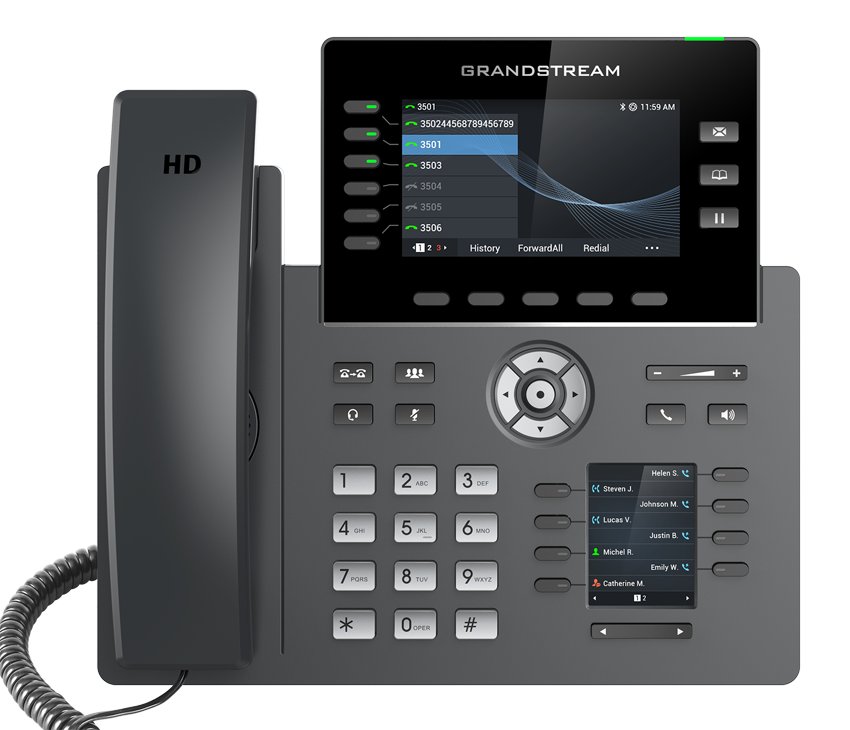
Grandstream’s range of IP phones and telephony endpoints exemplify how modern devices can elevate business communication to new levels of flexibility and efficiency. Designed with both sleek aesthetics and powerful features, these devices make it straightforward for organizations to customize their communication systems to meet specific operational needs. Whether for a small office or a large enterprise, Grandstream’s IP phones deliver high-definition audio and intuitive interfaces that ensure clear, professional calls every time. Built-in Power over Ethernet (PoE) support simplifies deployment by reducing cable clutter and enabling centralized power management, making installation and maintenance faster and more straightforward.
One of the standout qualities of Grandstream’s devices is their high level of customization. Programmable keys allow users to assign quick access to frequently dialed contacts, conference lines, or specific features like call transfer and voicemail. Presence indicators help teams stay aware of each other’s availability, fostering better collaboration and reducing delays. The vibrant, color-rich displays are easy to navigate, even for users unfamiliar with advanced technology, which accelerates onboarding and minimizes training time. This combination of user-friendly design and tailored functionality translates into smoother workflows and more efficient communication overall.
Beyond hardware design, Grandstream’s endpoints are built to integrate seamlessly with management platforms, especially cloud-based solutions like GDMS (Grandstream Device Management System). This centralized platform allows IT teams to configure, monitor, and update hundreds or thousands of devices remotely. Firmware updates, feature rollouts, and troubleshooting can all be managed through a web interface, significantly reducing operational overhead and minimizing downtime. The ability to deploy, customize, and maintain large fleets of phones remotely makes scaling and reconfiguration quick and cost-effective, supporting organizational growth and adaptability.
Durability and security are core strengths of Grandstream devices. Engineered to withstand the demands of daily use, these endpoints offer long-term reliability. Security features such as encrypted calls and secure boot protocols safeguard sensitive communications from cyber threats. As businesses increasingly rely on internet-based telephony, these robust security measures provide peace of mind, ensuring compliance and protecting confidential data. This focus on safety, combined with their scalability and ease of management, positions Grandstream’s IP phones as a dependable backbone for any modern communication network.
Deploying Grandstream’s solutions offers a straightforward path to creating a tailored, scalable communication system. Thanks to features like mass provisioning, organizations can rapidly deploy large fleets of phones with consistent configurations across multiple locations. This quick setup reduces time-to-value and ensures uniformity, even in complex environments. Whether upgrading existing infrastructure or building a new network, these devices support a seamless transition into a more advanced, customized communication environment that aligns with evolving business needs.
In the end, Grandstream’s devices are more than just phones—they are versatile tools that empower organizations to craft personalized, efficient communication workflows. Their combination of innovative features, security, and centralized management makes them ideal for companies looking to upgrade their networks without sacrificing flexibility or control. By choosing Grandstream, businesses can unlock new levels of connectivity, responsiveness, and scalability—key ingredients for thriving in today’s digital-first world.