Discover how customized telephony solutions are reshaping organizational communication, offering tailored setups that boost efficiency and connectivity. Grandstream’s innovative devices, from carrier-grade IP phones to centralized management platforms, empower businesses to streamline workflows, enhance call quality, and scale effortlessly. Imagine a system that adapts seamlessly to your unique operational needs—prioritizing urgent calls, supporting remote teams, and simplifying device management—all while safeguarding sensitive conversations. As technology advances, the future promises even smarter, more interconnected solutions driven by AI, IoT, and cloud-based platforms, making communication more intuitive and responsive. But are organizations truly leveraging the full potential of these innovations? With real-world success stories demonstrating tangible improvements in customer service and operational agility, the question remains: how can your business harness the power of custom telephony to stay ahead in a competitive landscape?
Transforming Business Communication with Customized Telephony Solutions
In today’s fast-moving business landscape, effective communication is more vital than ever. Customized telephony solutions are transforming how organizations connect, offering tailored setups that align perfectly with specific operational needs. Unlike generic phone systems, these personalized solutions optimize call routing, simplify device management, and enhance overall workflow. The result is a communication environment that supports growth, improves responsiveness, and reduces miscommunication.
These tailored systems do more than just facilitate phone calls—they actively shape daily operations. By integrating seamlessly with existing tools and providing user-friendly interfaces, they enable employees to connect quickly and naturally. This targeted approach minimizes delays, ensures calls reach the right person, and boosts productivity. When communication becomes smoother, organizations can focus more on their core goals and less on technical hurdles.
As technology advances, the appeal of scalable, flexible telephony solutions grows stronger. Modern systems are designed to grow with the business, supporting new features and devices without requiring disruptive upgrades. This adaptability ensures organizations stay agile in a competitive environment, able to respond swiftly to changing demands while maintaining reliable communication channels internally and with customers.
Investing in customized telephony isn’t just about upgrading hardware; it’s about rethinking how a business connects at every level. From internal collaboration to customer service, these solutions turn everyday calls into strategic tools for growth and efficiency. They help organizations become more responsive, more connected, and better positioned to thrive in an increasingly digital world.
Overall, the shift toward personalized telephony solutions reflects a broader move toward smarter, more adaptable communication infrastructure. By leveraging tailored systems, businesses can turn routine conversations into powerful assets, driving productivity and fostering stronger relationships. In today’s competitive landscape, making this strategic investment can be the key to unlocking new levels of operational excellence.
Unveiling the Power of Grandstream IP Phones for Effective Communication
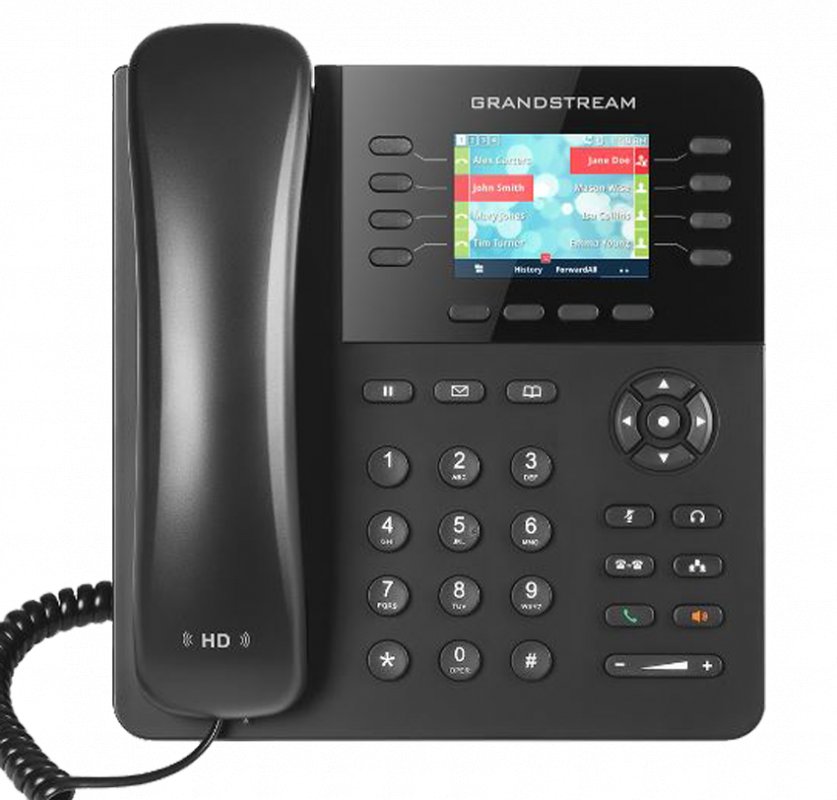
Grandstream IP phones are built to deliver reliable, high-quality communication across diverse business environments. Their high-definition audio ensures every conversation is crisp and clear, which is essential for maintaining professionalism and understanding during calls. Whether in a busy office or a quiet remote setup, these phones provide consistent sound quality that makes interactions smoother and more natural.
One of the standout features of Grandstream devices is their support for multiple lines. This allows users to manage several calls simultaneously without needing additional hardware, boosting productivity and simplifying call handling. The intuitive user interface and customizable keys make it easy to access frequently used contacts, voicemail, or specific functions, saving time and reducing frustration during busy periods.
Connectivity options like Bluetooth and Wi-Fi further enhance flexibility. Users can connect wireless headsets or mobile devices seamlessly, promoting a clutter-free workspace and supporting remote work scenarios. This adaptability means employees can stay connected from anywhere, whether at the desk or on the go, without sacrificing call quality or ease of use.
Scalability is another key advantage. Grandstream IP phones integrate effortlessly into large deployments and are supported by centralized management platforms such as GDMS. This system simplifies provisioning, configuration, and ongoing maintenance, allowing administrators to oversee hundreds of devices remotely. This scalability makes them ideal for growing organizations or multi-site setups that require consistent, manageable communication solutions.
Network performance is prioritized through support for Quality of Service (QoS) features. These ensure voice traffic receives the necessary bandwidth during busy network times, maintaining high call quality even during peak usage. Built-in security protocols protect sensitive conversations and safeguard against cyber threats, reinforcing trust and compliance for organizations handling confidential information.
Finally, these phones are designed to be durable and cost-effective. Their robust construction ensures long-term performance, providing a reliable foundation for day-to-day operations. With a sleek aesthetic that fits seamlessly into any office environment, Grandstream IP phones combine functionality, ease of use, and scalability—making them a smart choice for organizations seeking effective, customized telephony solutions.

Strategic Deployment of Tailored Telephony Systems for Organizational Success
Deploying customized telephony solutions begins with a clear understanding of your organization’s specific communication needs. Start by analyzing how your team handles calls, identifying bottlenecks, misrouted conversations, or features that could improve efficiency. This initial assessment highlights your priorities—whether it’s optimizing call routing, simplifying device management, or enhancing user interfaces—so you can focus your efforts where they matter most.
Choosing the right hardware is the next step. Grandstream’s scalable IP phones offer a flexible foundation, allowing you to tailor devices to different departments and workflows. For example, auto-attendants can streamline customer interactions, while multi-line phones support busy support teams. Selecting devices aligned with your operational goals ensures your system is both effective and adaptable for future growth.
Centralized management platforms like GDMS simplify deployment and ongoing maintenance. These tools enable remote configuration, provisioning, and monitoring of hundreds of devices, saving time and reducing errors. This approach is especially valuable for multi-site organizations or remote teams, providing consistency across locations and making updates quick and straightforward. Planning your rollout carefully—perhaps starting with a pilot group—helps minimize disruptions and gathers feedback for refinement before full deployment.
Training staff on the new system is crucial. Clear instructions and simple guides help users become comfortable quickly, ensuring they leverage the system’s full potential. When employees understand how to use the features effectively, productivity rises and frustrations decrease. Providing ongoing support and follow-up ensures smooth adoption and builds confidence in the new setup.
Design your deployment with scalability in mind. Opt for devices and management tools that can support additional users, locations, or features as your organization expands. Cloud-based management platforms make it easy to add new users or update configurations remotely, keeping your telephony infrastructure aligned with evolving needs. This foresight prevents costly upgrades and ensures your system remains flexible.
After the initial rollout, continuous review and refinement are key. Collect user feedback, monitor call quality, and analyze system performance to identify areas for improvement. Small tweaks—like reconfiguring call flows or adjusting user interfaces—can significantly boost efficiency. Staying engaged with ongoing management ensures your telephony solution remains optimized and responsive over time.
Effective implementation is about more than just technology; it’s about aligning your communication tools with your workflows. Thoughtful planning, clear training, and proactive management turn a new system into a strategic asset. By approaching deployment with purpose and attention to detail, you set the stage for improved collaboration, better customer service, and sustainable growth.
Real-World Success Stories: Implementing Customized Telephony Solutions
Deploying customized telephony solutions has already transformed communication for many organizations across various industries. For example, a retail chain implemented Grandstream’s scalable IP phones combined with a cloud management platform to unify their communication across multiple stores. This setup enabled faster call handling, smoother staff coordination, and a noticeably improved customer experience. Thanks to centralized device management, they could roll out updates and troubleshoot remotely, saving time and reducing operational costs while maintaining consistent call quality.
In healthcare, tailored call routing systems have made a significant difference. A provider customized their setup to prioritize urgent patient inquiries, drastically reducing wait times. By directing high-priority calls directly to the right specialists, they improved responsiveness and patient satisfaction. This example shows how flexible, personalized call flows can directly enhance service quality and operational efficiency, especially in fast-paced environments.
Remote support teams also benefit greatly from customized telephony solutions. A tech support organization leveraged centralized management tools to keep their devices updated and secure across multiple locations. This approach ensured reliable communication channels, even with a dispersed workforce. The ability to manage devices remotely supported their hybrid work model, making it easier to scale operations without sacrificing performance or security.
These real-world examples highlight that personalized telephony isn’t just about technology; it’s about creating communication environments that are faster, more reliable, and aligned with specific business needs. Whether managing multiple locations, prioritizing critical calls, or supporting remote teams, organizations that adopt these solutions often experience noticeable improvements in workflow, customer interactions, and overall productivity.
The ease of deployment and tangible benefits make customizing telephony systems a strategic move. Careful planning, starting with pilot programs, helps ensure a smooth transition and meaningful feedback. These success stories demonstrate that businesses don’t need to overhaul their entire infrastructure to see significant gains—targeted, well-implemented solutions can deliver immediate results and lay the foundation for ongoing growth and innovation.

Looking Ahead: Innovations and Trends Shaping the Future of Personalized Telephony
The future of customized telephony is poised to be reshaped by rapid technological innovations that will make communication more seamless, intelligent, and highly responsive. Artificial intelligence (AI) will become a core component, enabling smarter call routing, voice assistants, and predictive analytics. These advances will allow systems to anticipate user needs, automate routine interactions, and direct inquiries more efficiently, resulting in higher customer satisfaction and increased operational productivity.
Meanwhile, the Internet of Things (IoT) will expand the connectivity of voice endpoints, creating a network where devices communicate with each other to deliver context-aware, personalized experiences. Imagine conference rooms, desktops, and mobile devices working in harmony to adjust settings automatically based on location or activity, making communication more natural and less intrusive. This interconnectedness will elevate workflows, allowing for more intuitive and streamlined interactions across the entire organization.
Cloud platforms will continue to evolve, offering organizations greater control, flexibility, and scalability. Cloud-based management simplifies deployment, updates, and troubleshooting remotely, removing the need for on-site hardware. Integration with customer relationship management (CRM), analytics, and automation tools will create unified environments that adapt swiftly to changing business needs. This agility enables companies to leverage new features and capabilities as they emerge, maintaining a competitive edge.
Security will remain a top priority as voice communications become more embedded in digital workflows. Future systems will incorporate advanced encryption, multi-factor authentication, and threat detection built directly into their infrastructure. These measures will protect sensitive conversations, ensure compliance, and maintain organizational trust, even as communication channels grow more personalized and interconnected.
Personalization will go beyond basic call routing or device settings. Future telephony systems will learn user preferences and behaviors, proactively suggesting options or automating interactions based on caller history. High-value clients might be routed automatically to the most experienced agents, while relevant information could be presented during calls to enhance the user experience. This deep customization will foster stronger relationships and make every interaction more meaningful.
Hardware design will also see significant innovation, with IP phones and endpoints becoming sleeker, more versatile, and feature-rich. Touch interfaces, high-resolution displays, and even augmented reality (AR) capabilities will simplify access to complex features, reducing the learning curve and increasing productivity. Staying ahead of these trends will require organizations to partner with forward-thinking vendors, ensuring their systems remain adaptable and future-proof in an increasingly connected world.