In a world increasingly dominated by screens and instant communication, the simple act of tending a garden together reveals profound potential for strengthening human bonds and fostering emotional healing. Beyond cultivating plants, shared gardening experiences cultivate patience, teamwork, and communication, creating a safe space for vulnerability and trust. Historically, community and family gardens have served as vital social rituals, reinforcing bonds across generations and cultures. These collective efforts not only nurture growth in soil but also in relationships, turning outdoor labor into rituals of love, patience, and resilience. Could such a slow, mindful activity truly combat the disconnection of digital life? This exploration highlights how gardening—whether in backyard plots, community spaces, or emerging digital extensions—reminds us that growth flourishes most when shared. As we reimagine nature’s role in connection, one question remains: can tending to the earth become the key to healing our relationships in an increasingly fractured world?
Shared Gardening: Cultivating Bonds and Healing
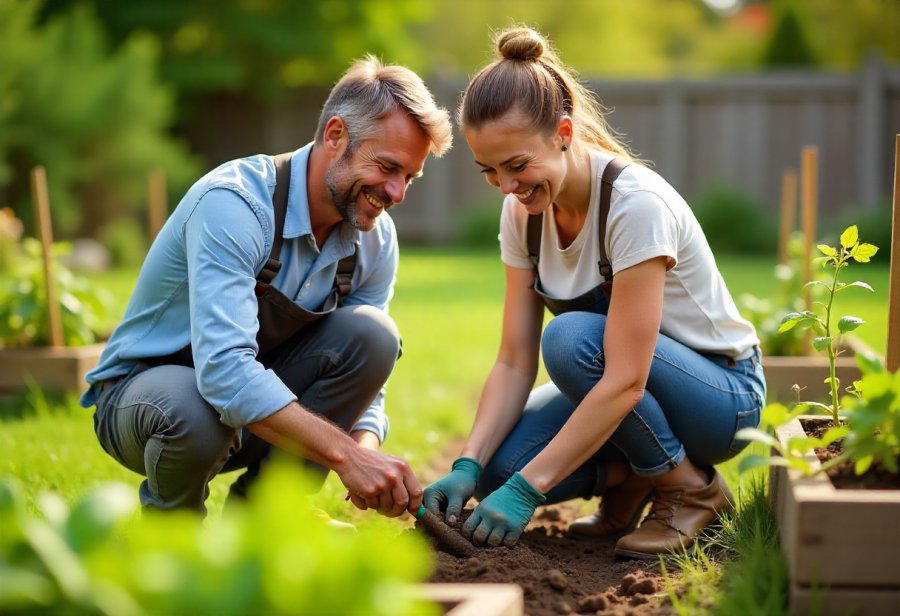
Tending a garden with someone else might seem like a simple act, but it can hold surprising power to strengthen bonds and promote healing. When two or more people work side by side—planting seeds, watering, or weeding—they’re not just caring for plants; they’re creating shared experiences that foster trust and understanding. These quiet moments of cooperation happen naturally, often without the need for lengthy conversations, and that ease can be incredibly meaningful in building connection. In a world where screens and instant messaging dominate, outdoor activities like gardening offer a peaceful way to reconnect on a deeper level.
There’s something inherently grounding about physically nurturing life together. Gardening demands patience, teamwork, and gentle focus—traits that easily transfer into personal relationships. Watching a tiny seed grow into a blooming plant evokes pride and a sense of shared achievement. Over seasons, these efforts weave a tapestry of memories rooted in patience and care, making relationships more resilient and meaningful. It’s not just about the plants; it’s about cultivating empathy, support, and a sense of mutual investment through everyday acts.
Historically, gardening has been more than a solitary hobby. Across cultures and generations, tending the land has served as a communal ritual—bringing people together through shared labor. From ancient farms to modern community gardens, working in the soil has reinforced social bonds through cooperation, storytelling, and shared purpose. These collective efforts create trust and a sense of belonging that transcend individual differences, reminding us that nurturing life is a universal language.
Engaging in gardening together naturally opens up channels of communication. As hands get dirty and new shoots emerge, conversations flow more easily—about hopes, worries, or the simple beauty of the moment. The act of caring for living things together creates a safe space where emotional barriers soften. Over time, these shared experiences of nurturing help build resilience, empathy, and deeper understanding—foundations that can strengthen relationships far beyond the garden bed.
Beyond the practical, gardening functions as outdoor therapy—especially in today’s fast-paced world. The sensory experiences—the feel of soil, the scent of flowers, the rustle of leaves—ground us and promote mindfulness. Working side by side in such a natural setting not only deepens bonds but also offers a space for reflection and emotional healing. These moments of shared calm and purpose remind us that growth, whether in plants or in relationships, takes patience and care.
Ultimately, tending a garden together underscores a simple but powerful truth: growth is often best achieved when shared. Whether planting vegetables or flowers, working in the soil fosters connections that flourish through cooperation, patience, and mutual support. In a time when digital interactions can feel fleeting, these shared outdoor moments serve as a reminder of the enduring strength of human bonds rooted in nature’s slow, steady rhythm.
Gardening Through Time: A Cultural and Historical Tapestry
Gardening has long been more than just a personal pastime; it has historically served as a vital way for communities to come together. In ancient times, large-scale communal farms weren’t solely about cultivating food—they acted as social hubs where neighbors worked side by side, sharing stories and supporting each other through planting and harvest seasons. These collective efforts fostered a sense of purpose and trust that extended well beyond the act of tending crops. The land became a space not just for sustenance, but for social bonding, tradition-sharing, and reinforcing cultural values across generations.
In traditional villages and agrarian societies, family gardens and village plots weren’t only sources of nourishment—they were places where relationships deepened through cooperation. Farming together was often lively and joyful, strengthening bonds among kin and neighbors alike. Children learned patience, responsibility, and community values from elders as they worked the land, passing down knowledge and shared practices that built social cohesion. These experiences created lasting connections rooted in the land’s natural rhythms and shared effort, weaving a fabric of community that persists even today.
As societies evolved, so did the ways we garden collectively. Urban environments saw the rise of community gardens and shared plots, transforming neglected or small spaces into lively centers of cooperation. These modern collective gardens became more than places to grow food—they turned into neighborhood gathering points that fostered social ties, cultural exchange, and civic pride. Working side by side in these green spaces helps bridge social gaps, reminds us of our shared humanity, and keeps alive the tradition of bonding through outdoor effort.
Cultural rituals and seasonal festivals further highlight gardening’s role in fostering community. Celebrations marking planting seasons or harvest times bring people together, reinforcing a collective identity. These events turn gardening into more than a practical activity—they become meaningful cultural practices that connect generations and celebrate shared achievement. Such rituals strengthen community bonds, making the act of nurturing life a universal language that transcends borders and backgrounds.
Throughout history, tending the land has been a powerful way for humans to connect. Whether through family projects, neighborhood efforts, or cultural ceremonies, working in the soil has nurtured relationships across time and space. These traditions emphasize cooperation, patience, and mutual care—values that remain relevant in today’s community gardening initiatives. They remind us that, despite modern complexities, the act of working together outdoors holds timeless importance for building trust and fostering understanding.
Modern community gardens and urban green spaces continue this ancient tradition, emphasizing that the roots of connection run deep in shared outdoor effort. They serve as living proof that tending the earth together can strengthen bonds, promote resilience, and support social cohesion. By embracing these collective efforts, we honor the enduring human need to grow not just plants, but relationships that flourish through cooperation, patience, and mutual support.
How Gardening Deepens Emotional Connections and Builds Trust
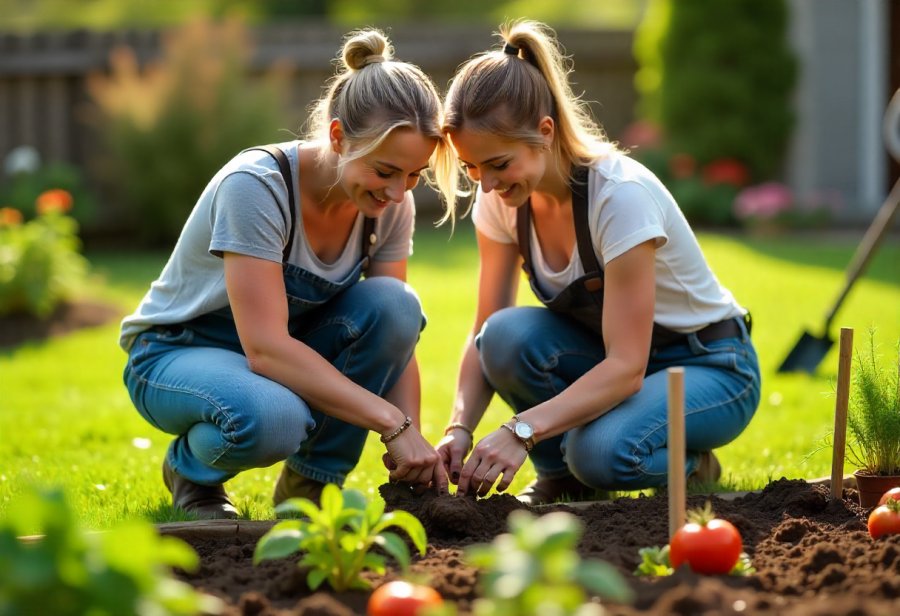
Engaging in gardening together naturally strengthens emotional bonds and deepens mutual understanding. As people work side by side—planting, watering, or weeding—they share a common goal that fosters teamwork and a sense of achievement. This shared effort makes the work feel lighter and more rewarding, while also building trust as each person’s contributions become visible and appreciated. Watching plants flourish under collective care reinforces the idea that successful growth relies on cooperation, creating a tangible connection between effort and reward.
Being in the garden together also encourages conversations that might not happen otherwise. The relaxed environment of tending to living things fosters openness and trust, making it easier to share feelings, hopes, or worries. The patience required in gardening—waiting for seeds to sprout or flowers to bloom—teaches acceptance and tolerance, qualities that deepen emotional ties. These shared moments of nurturing help cultivate resilience and empathy, strengthening relationships in a genuine and effortless way.
Gardening promotes mindfulness and presence, which are essential to emotional bonding. The sensory experiences—the feel of soil, the aroma of blooming flowers, the rustling of leaves—ground participants in the moment and reduce stress. This calm, focused state creates a safe space for individuals to open up and connect more deeply. As they care for their plants together, they develop a shared sense of purpose that extends beyond the garden, reinforcing a feeling of being in sync.
Shared activities in the garden also improve communication. Tending plants side by side establishes a rhythm of dialogue—discussing plant progress, sharing observations, or simply exchanging thoughts—that strengthens understanding. This ongoing exchange helps clarify expectations and reveal common values, deepening emotional intimacy. The routine of working together and witnessing tangible results build a foundation of trust and support that can spill over into everyday life.
Gardening offers therapeutic benefits that enhance bonding. The physical act of caring for plants requires patience and mindfulness, helping individuals focus on the present moment and reduce anxiety. When done collaboratively, this process fosters mutual support and a sense of belonging, which can be especially healing during challenging times. The tactile sensations—feeling soil, smelling blossoms—activate calming responses, making the experience both nurturing and restorative.
The act of nurturing life together also symbolizes a broader message: growth is most meaningful when shared. Whether planting vegetables or flowers, working in the soil fosters connections that flourish through cooperation, patience, and mutual support. These shared outdoor moments serve as powerful reminders that human bonds, like healthy plants, thrive best when cultivated with care and consistency.
In essence, engaging in gardening together creates a natural, effective way to nurture emotional bonds. The process of tending to living things side by side encourages honest communication, patience, and empathy. It transforms simple acts of care into meaningful rituals that reinforce trust and understanding. As plants grow and flourish, so do relationships—rooted in cooperation, nurtured by shared effort, and strengthened through the slow, steady rhythm of nature’s patient growth.
Real Stories and Practical Tips for Bonding in the Garden
Many stories highlight how shared gardening can transform relationships and deepen bonds. Take Sarah and her mother, for example. They began a small vegetable patch together after years of drifting apart. At first, their interactions were tentative, with cautious movements in the soil. But as they planted seeds and watched their garden grow, conversations became more natural, and their willingness to share stories and feelings increased. Those shared moments laid a foundation for rebuilding trust and understanding, showing that gardening isn’t just a hobby—it’s a space for emotional reconnection.
Community gardens offer another powerful example. Neighbors who barely knew each other now work side by side, planting and tending shared plots. They laugh over failed seedlings and celebrate harvests, creating camaraderie that extends beyond the garden beds. These collective efforts turn gardening into a social activity that breaks down barriers, fosters cooperation, and builds lasting friendships. The experience of working outdoors together encourages positive interactions, making the garden a hub for connection and community pride.
Practical tips from these stories can help anyone get started. Choosing manageable projects like container gardening or small flower beds makes the process approachable. Selecting plants with personal meaning—herbs tied to family recipes or flowers with sentimental value—adds emotional depth. Establishing a regular time to work together turns gardening into a routine, transforming it into a shared ritual. Patience remains key, as not every seed will sprout immediately, but persistence reinforces resilience and teamwork, strengthening bonds over time.
Outdoor work naturally sparks conversation. The relaxed environment of caring for living things encourages sharing thoughts, hopes, or worries. The act of nurturing plants together fosters trust and openness, creating a safe space for emotional connection. This routine of tending to life side by side cultivates a sense of partnership, which can ripple into other parts of life, deepening understanding and empathy.
Gardening also offers therapeutic benefits that enhance bonding. The physical act of caring for plants requires patience and mindfulness, helping individuals focus on the present moment. This grounding reduces stress and promotes emotional well-being. When shared, these experiences foster mutual support and a sense of belonging, which can be especially healing during tough times. The tactile sensations—feeling soil, smelling blossoms—activate calming responses, making the experience both nurturing and restorative.
These real-life stories and practical insights demonstrate that gardening is more than just cultivating soil; it’s about cultivating human connection. Whether through a backyard project, community plot, or balcony garden, working outdoors side by side creates opportunities for genuine interaction. It’s a simple yet powerful way to nurture both plants and relationships, proving that growth is most meaningful when shared and nurtured over time.
Future of Gardening: Embracing Innovation and Sustaining Human Connections
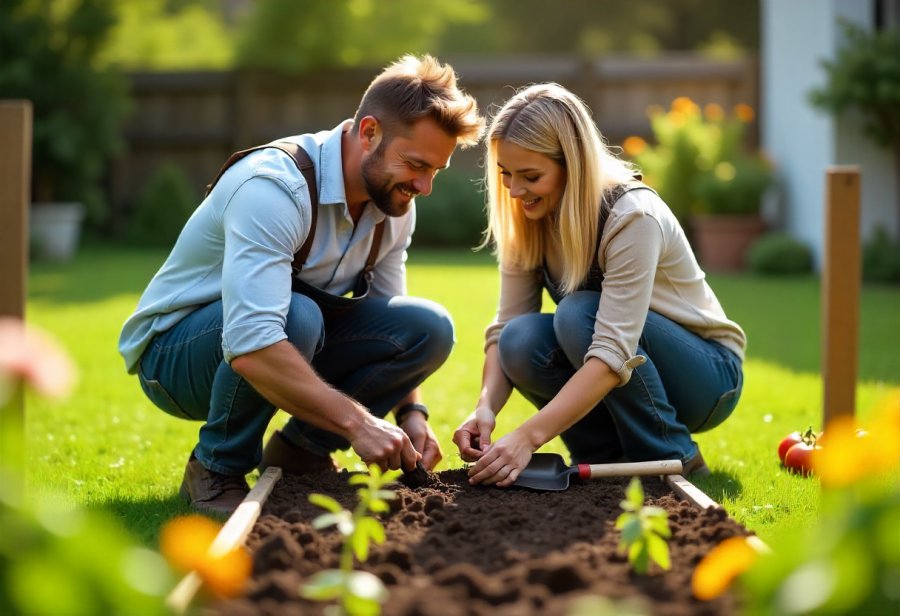
As we look to the future, the role of gardening in strengthening human bonds remains as relevant as ever, especially in a world increasingly dominated by digital interactions. While screens and virtual connections are convenient, they rarely offer the same depth of sensory experience and physical engagement that outdoor work provides. Finding ways to blend technology with nature can open new doors for connection, making gardening more accessible and engaging for a broader audience. For instance, using gardening apps or virtual planning tools can help beginners get started and stay motivated, transforming a simple activity into a shared digital journey that complements the real-world act of tending plants.
Innovative approaches like augmented reality gardening or online community gardens may seem unconventional, but they hold promise for expanding the reach of outdoor bonding. These digital extensions can serve as entry points for those hesitant to dive into traditional gardening or for urban dwellers with limited outdoor space. By integrating technology with nature, we create opportunities for collective effort, learning, and sharing, even when physical proximity isn’t possible. The goal is not to replace traditional gardening but to enhance it—encouraging more people to experience its emotional and restorative benefits.
Building routines around outdoor activities like gardening establishes resilience and trust that can withstand life’s inevitable challenges. When people commit to planting seasons or regular care routines, they embed a sense of stability and purpose into their lives. These shared rituals act as gentle anchors, reminding us that growth—whether in plants or relationships—requires ongoing patience and effort. Over time, these consistent acts of nurturing foster deeper bonds, creating a foundation of mutual support that can help navigate difficult moments with confidence and compassion.
Community programs and educational initiatives play a vital role in embedding outdoor connection into our social fabric. Schools, local governments, and organizations that promote community gardens or green spaces actively shape a culture that values cooperation and shared effort. These programs not only bring diverse groups together but also reinforce the timeless idea that tending the land is a universal language for building trust and understanding. As more communities embrace these efforts, the positive ripple effects—healthier, more connected neighborhoods—become increasingly evident.
Reimagining gardening for the modern world involves balancing tradition with innovation. Even as technology advances, the core act of tending plants side by side retains its power to nurture relationships. Whether through simple backyard projects, urban community plots, or creative new formats, the essence remains the same: growth is most meaningful when shared. Embracing both old and new methods allows us to cultivate not just plants but resilient human connections rooted in patience, cooperation, and care.
In this evolving landscape, the potential for gardening as a tool for relationship building is limitless. It encourages us to slow down, observe, and nurture—not only the plants but also each other. As we explore new ways to connect outdoors, we reaffirm the timeless truth that growth flourishes best when cultivated collectively. In a world of rapid change, these shared moments of tending and caring remind us of our innate need for connection, healing, and community—values that remain essential now and into the future.