Imagine transforming water from an intimidating force into a space of confidence and freedom—no matter your age. Learning to swim isn’t just about strokes; it’s about overcoming fears, building safety skills, and unlocking a new world of joy and independence. This journey begins with small, courageous steps and is supported by evolving technology and inclusive programs that make water safety accessible for everyone. From ancient roots to modern innovations like virtual reality training and smart gear, swimming continues to evolve as a vital life skill. But what’s next? Will AI-driven coaching and advanced safety tech redefine how we learn and stay safe in water? As these breakthroughs become mainstream, they promise not just fewer accidents but a future where everyone, regardless of background, can experience the empowering thrill of confidently navigating water’s depths. Are you ready to take the plunge into this transformative journey?
Transform Your Water Experience: The Empowering Journey of Learning to Swim
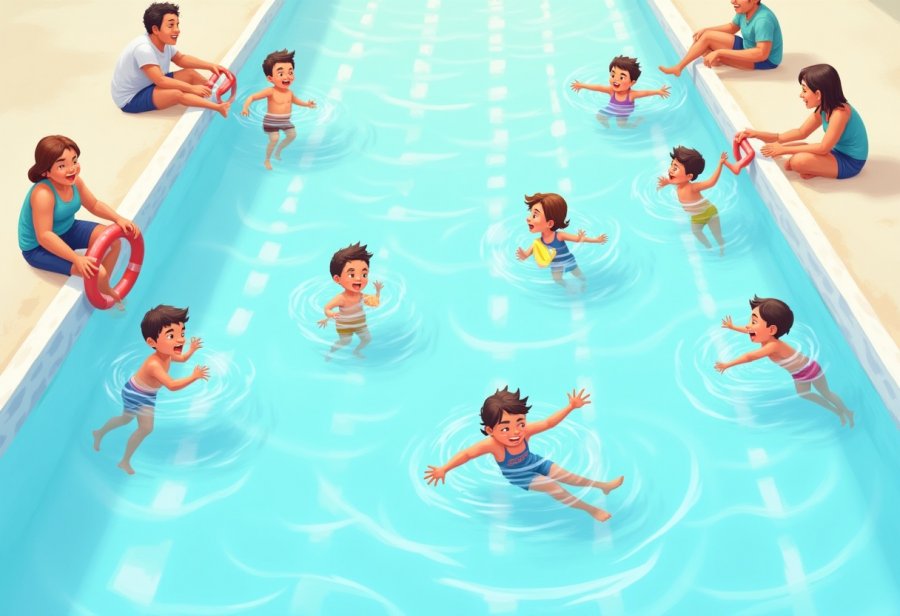
Learning to swim isn’t just about mastering strokes or floating—it’s a skill that can truly change how you see and experience water. For many, water initially feels like an intimidating or even threatening element, especially if past fears or unfamiliarity have made it hard to feel at ease. Overcoming these barriers isn’t just about technique; it’s about building confidence and trust in your own ability to handle the water safely. Taking that first brave step into the pool, whether it’s dipping your toes or taking a full dive, marks the beginning of a journey that can empower you for life.
The importance of learning to swim extends far beyond recreation. It’s a vital safety skill that can prevent accidents and save lives. Knowing how to float, tread water, and move confidently in the water means you’re better prepared for unexpected situations—like slipping into a lake or pool. These skills can turn panic into calm and give you the tools to help others if needed. Additionally, swimming provides an excellent form of exercise that benefits both your body and mind. It’s gentle on joints while effectively building strength, improving cardiovascular health, and increasing flexibility, making it suitable for people of all ages.
Many adults who didn’t learn to swim as children find that it’s never too late to start. Water fears can linger for years, but with patience and the right guidance, those fears can be replaced with a sense of achievement. Adult learners often discover that swimming offers a unique blend of physical and mental benefits—reducing stress, boosting self-esteem, and opening doors to new recreational opportunities. It’s a reminder that age isn’t a barrier but an opportunity to develop a lifelong skill that enhances health and well-being.
Building water confidence begins with changing how you see the water. Instead of viewing it as something to fear, try to see it as a safe environment for growth and exploration. Small acts like splashing water on your face or sitting at the pool’s edge can help reduce anxiety. Breathing exercises or visualizing yourself floating calmly can create a sense of control. With support from instructors and friends, this process becomes more encouraging, and patience remains key—every tiny step forward helps turn water into a space of trust and empowerment.
Learning to swim is accessible to everyone, regardless of age or background. Progress isn’t about perfection but steady improvement. Many who start later in life are surprised by how quickly they advance once they practice regularly and stay positive. The journey is about celebrating small victories—like floating unaided or swimming a few strokes—each one reinforcing that water can be a safe, enjoyable space. With time, what once seemed daunting transforms into familiarity and comfort, opening up a world of confidence and freedom.
Water Through the Ages: The Rich Origins and Cultural Significance of Swimming
Swimming has a rich history that stretches back thousands of years, woven into the fabric of many ancient civilizations. In Egypt, Greece, and Rome, water was more than just a resource—it was a space for leisure, ritual, and social connection. Archaeological discoveries show that Egyptians built pools for both bathing and ceremonial purposes, highlighting water’s spiritual significance. The Greeks valued swimming as an essential skill for young men preparing for battle, and their athletic festivals often included swimming competitions that emphasized its role in physical training. The Romans, meanwhile, turned water into a social hub with elaborate baths and public pools, shaping communal bathing into a cultural tradition.
As centuries passed, swimming transitioned from a survival skill to a recognized sport. During the Middle Ages, it was mainly a necessity for sailors and those living near water, with little formal organization. The 19th century marked a turning point, with the rise of dedicated swimming clubs and the development of standardized techniques like the crawl and breaststroke. This era also saw the emergence of competitive swimming, with organized races and international governing bodies establishing safety and performance standards. These advances helped elevate swimming from basic survival to a structured activity enjoyed worldwide.
Culturally, water has carried different meanings across societies. Coastal communities have long depended on water for everyday life—bathing, transportation, and spiritual rituals—deepening their connection to water’s significance. In Western cultures, swimming became a symbol of freedom and health, often depicted in art and literature as a way to express liberation or personal challenge. For many societies, water is also spiritual, representing cleansing, renewal, and the cycle of life. These diverse perspectives reveal how swimming and water are woven into human identity and tradition, reflecting both practical needs and cultural values.
Throughout history, key figures and organizations have shaped modern swimming. Pioneers like Paul Butler improved training methods, while athletes such as Johnny Weissmuller popularized swimming as both a sport and a cultural phenomenon. The founding of FINA in 1908 created a global standard for competitions and safety protocols, helping to unify the sport worldwide. Such developments made swimming accessible and respected across borders, fostering a shared appreciation for water’s power and importance. Their legacy continues to influence how we view swimming today as a vital life skill with deep cultural roots.
Today, swimming remains a universal activity that bridges generations and cultures. Its significance extends beyond competition and recreation to include health, safety, and social inclusion. As more communities recognize water safety as a fundamental right, the activity continues to evolve, reflecting our ongoing relationship with water. From local pools to international competitions, swimming fosters connection, resilience, and a sense of achievement—qualities that have persisted for millennia. Its history reminds us that water is more than an element; it’s a universal language that unites us in shared experiences and timeless traditions.
Modern Waves: Navigating Today’s Water Safety and Swimming Standards
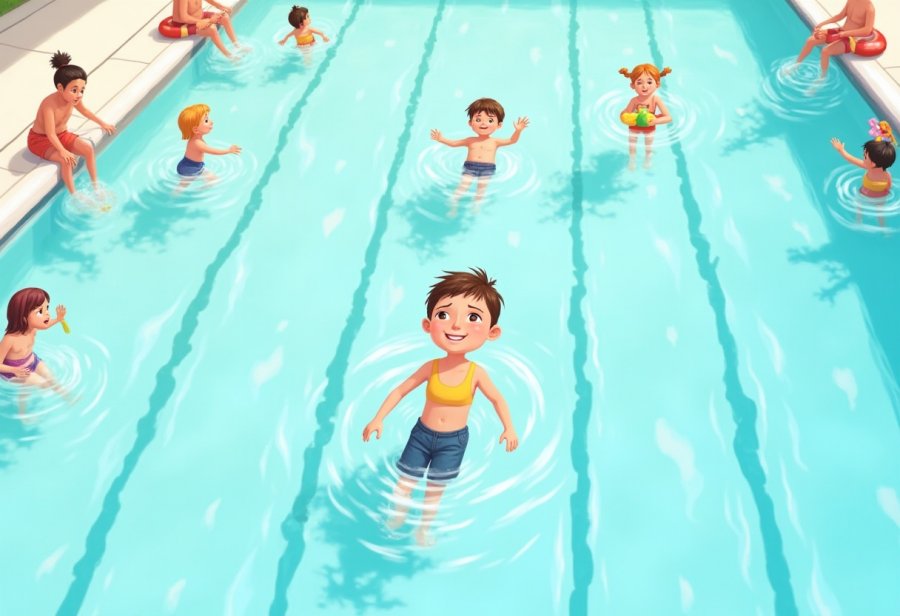
Today, swimming is recognized worldwide as both a crucial safety skill and a popular form of exercise. Modern standards emphasize the importance of learning fundamental water skills like floating, treading water, and understanding safety protocols to prevent accidents. Pools, beaches, and aquatic centers are now equipped with lifeguard stations, clear signage, and safety gear, creating safer environments for beginners and seasoned swimmers alike.
Instruction has shifted toward confidence-building through gradual skill development. Beginners are introduced to strokes such as freestyle, backstroke, and breaststroke, with a focus on proper technique, breathing, and body position. Emphasizing safety, instructors encourage staying in shallow areas initially, avoiding swimming alone, and respecting lifeguard instructions. This approach fosters a sense of security that motivates learners to progress at their own pace without feeling overwhelmed.
Advancements in technology are transforming water safety and learning methods. Virtual reality training simulates real-life scenarios, allowing newcomers to practice responses in a risk-free setting. Waterproof fitness trackers and smart goggles provide real-time feedback on technique, breathing, and posture, making personalized coaching more accessible. These innovations increase engagement and help learners gain confidence faster, making swimming a more inclusive activity for everyone.
Inclusivity is a growing priority in the modern swimming landscape. Adaptive programs now incorporate specialized equipment and tailored teaching strategies to ensure people with disabilities can also learn water skills safely. Efforts to expand access are vital in breaking down barriers and promoting water confidence across diverse communities. Meanwhile, organizations like FINA and national agencies continue to update safety protocols and standards, integrating new technology and research to improve safety and performance globally.
Despite these positive developments, challenges remain. In areas lacking adequate safety infrastructure or trained lifeguards, risks of drowning persist. Socioeconomic disparities can limit access to quality instruction, leaving some populations underserved. Environmental issues like pollution and unsafe water quality also hinder participation, especially in under-resourced regions. Addressing these gaps requires ongoing investment in infrastructure, education, and environmental protection.
Overall, the landscape of swimming and water safety is evolving rapidly, driven by technology, innovation, and a broader commitment to inclusivity. These advancements help create safer, more welcoming environments that encourage more people—regardless of age or background—to develop water confidence. As safety standards and teaching methods continue to improve, the goal remains clear: to make water a space of enjoyment, safety, and lifelong learning for everyone.
Taking the Plunge: Practical Benefits of Learning to Swim for Safety, Health, and Recreation
Learning to swim offers practical benefits that extend well beyond the pool. Knowing how to float or tread water can be a lifesaver in unexpected situations, helping you stay calm and avoid panic if you accidentally fall into a lake, river, or pool. These skills are essential for safety, turning potentially dangerous moments into manageable ones and giving you confidence to handle water emergencies.
Water confidence also opens doors to countless recreational activities. Whether it’s kayaking, paddleboarding, or snorkeling, having basic swimming skills makes these experiences safer and more enjoyable. Feeling secure in the water allows you to participate more fully—joining friends on boat trips or exploring underwater environments without hesitation. This sense of ease transforms water from a source of anxiety into a space of fun, adventure, and connection.
Gaining water skills fosters independence and personal achievement. Overcoming fears and learning to navigate water safely can boost your self-esteem and resilience. For older adults or those with mobility challenges, swimming offers a gentle way to stay active and maintain independence. Small victories, like floating unaided or swimming across a pool, build confidence that spills over into everyday life, encouraging a positive attitude and a sense of empowerment.
Starting is simpler than many think. Using helpful tools like goggles or kickboards can make initial practice more comfortable. Enrolling in beginner classes or working with qualified instructors provides structure and reassurance, while simple breathing exercises or visualization outside the pool can reduce anxiety. Patience is key—progress may be slow at first, but each small step adds up toward greater water confidence.
Every stumble or setback is part of the learning process. Pushing too hard or rushing to master advanced techniques can lead to frustration or accidents. Instead, focus on mastering the basics—floating, breathing, and kicking—before moving on to more complex skills. Respect your limits, stay in shallow water when needed, and never swim alone during early stages. These precautions build trust and ensure your journey remains safe and positive.
As water confidence grows, so does your enjoyment and independence. The ability to handle water safely enriches life in many ways—from spontaneous swims to outdoor adventures—making water a space of joy rather than fear. Developing these skills at any age is an investment in health, safety, and personal growth, opening up a world of possibilities that can last a lifetime.
Swimming Ahead: Emerging Trends and Innovations Shaping the Future of Water Safety
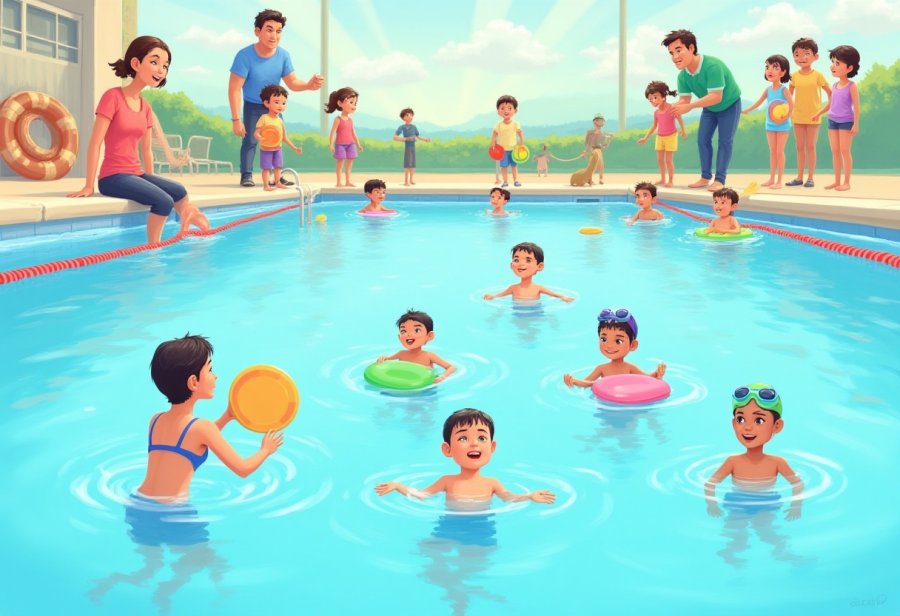
The future of swimming and water safety is set to be transformed by rapid technological advances and a growing commitment to inclusivity. Virtual reality training tools are increasingly used to simulate real-world scenarios, giving learners a chance to practice responses in a safe, controlled environment. This approach helps build confidence before stepping into the water, making the learning process less intimidating and more engaging for beginners. At the same time, wearable devices like waterproof fitness trackers and smart goggles are evolving quickly, providing real-time feedback on technique, breathing, and body position. These tools personalize training, making progress faster and more motivating.
Inclusivity is becoming a key focus, with adaptive programs designed specifically for people with disabilities. Specialized equipment and tailored instruction methods are breaking down barriers, ensuring that water safety and swimming skills are accessible to everyone. This shift not only promotes equality but also enriches the water community with diverse participation. Meanwhile, artificial intelligence is poised to revolutionize coaching and safety monitoring. AI-powered apps could analyze swimmers’ form in real time, offering instant suggestions for improvement, while drones equipped with cameras might patrol beaches and pools, providing rapid responses to emergencies and enhancing surveillance.
These innovations are likely to lead to a significant reduction in drowning incidents by improving detection and response times. As safety standards incorporate new technology, organizations like FINA and national bodies are updating protocols to keep pace. The combination of traditional training and cutting-edge tools will make water education more dynamic, effective, and accessible. We can expect to see a shift from reactive rescue efforts toward proactive prevention, with digital campaigns and community programs spreading water safety awareness from an early age.
Lifelong swimming may become more common as these advancements make learning easier and more enjoyable at any age. Gamified lessons, digital platforms, and community initiatives will motivate people to develop their skills well into adulthood. This ongoing engagement fosters a culture where water confidence is viewed as an essential part of a healthy, active lifestyle. Ultimately, swimming will continue to serve as a universal language that connects generations, promoting safety, fitness, and joy for years to come.
As these trends unfold, the water safety landscape will become more inclusive, innovative, and responsive. The integration of technology and community-driven efforts will help bridge existing gaps, ensuring that everyone has the opportunity to learn, enjoy, and stay safe around water. The evolution of swimming isn’t just about new gadgets—it’s about creating a safer, more connected world where water is a source of empowerment and well-being. The journey ahead promises to be exciting, inspiring continued growth and a deeper appreciation for water’s vital role in our lives.