The Dodge Charger stands as an emblem of raw American muscle and rebellious spirit, embodying power, bold design, and an unyielding attitude on the road. From its late-1960s roots to its modern high-performance variants, it captures the imagination with its aggressive stance, thunderous engines, and cultural iconography seen in movies and street racing lore. But what truly fuels its legendary status? Is it the timeless design, the roar of its engines, or the stories of independence and daring that resonate beyond the pavement? As it evolves—embracing cutting-edge technology while honoring its rebellious DNA—the Charger continues to ignite primal instincts and inspire new generations. Its enduring legacy prompts us to ask: can a car be more than transportation—it can be a living declaration of freedom and power? This relentless pursuit of speed and attitude makes the Charger a legend that refuses to fade.
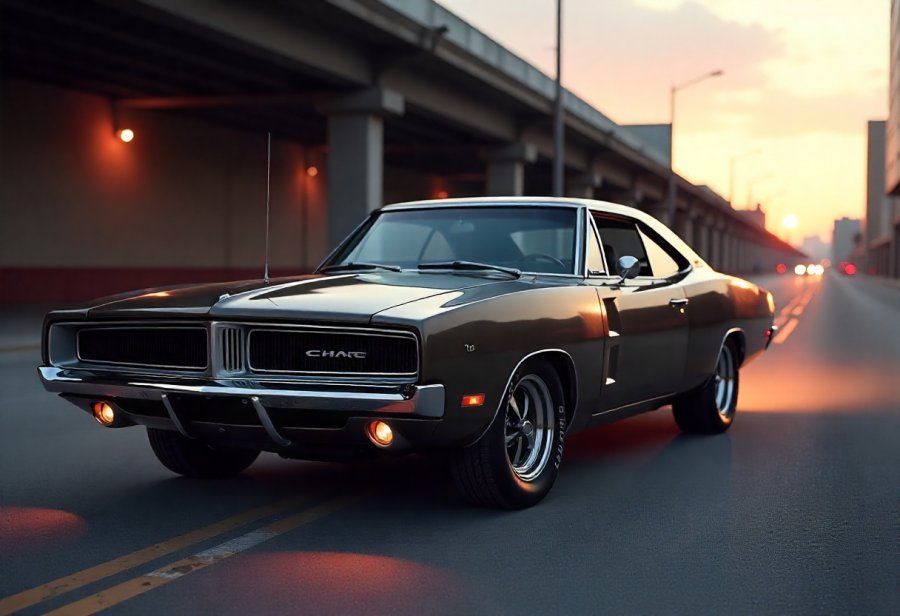
Discover the Dodge Charger: An Icon of American Muscle and Rebellion
Few cars instantly evoke the spirit of American muscle quite like the Dodge Charger. With its bold, muscular lines and aggressive stance, it has long been a symbol of raw power and rebellious attitude on the open road. From its roots in the late 1960s to today’s modern iterations, the Charger stands out as more than just a vehicle—it’s a statement of freedom and street-smart swagger. The unmistakable growl of its engine can stir adrenaline and turn heads, embodying the primal instincts that define muscle cars.
Design-wise, the Charger’s purpose is clear: it’s built to declare strength. Its long, sculpted hood hints at the mighty engines beneath, while its wide stance commands respect and attention. Classic details like the four round taillights and imposing grille give it a distinctive presence, blending vintage styling cues with modern touches. Whether vintage or contemporary, the Charger’s appearance speaks directly to those who crave not only performance but personality.
But it’s more than aesthetics. The Charger’s roots go back to an era when muscle cars became symbols of rebellion and innovation. The original models, like the 1969 R/T, combined sleek design with big-block engines that roared with authority, setting the tone for its legendary status. Over the years, it has undergone various design shifts—sometimes more refined, sometimes more aggressive—yet its core identity remains unchanged.
Today’s models, especially high-performance variants like the SRT Hellcat, continue to push boundaries with supercharged engines delivering over 700 horsepower. These modern incarnations carry the DNA of those early muscle cars, blending raw power with advanced technology. The Charger’s evolution reflects both its storied past and its commitment to staying relevant in a rapidly changing automotive landscape.
Understanding the Charger’s legacy means recognizing its cultural impact. It has appeared in movies, TV shows, and music videos, reinforcing its image as a symbol of rebellion, freedom, and speed. Its iconic silhouette and thunderous engine sound have made it a favorite among enthusiasts and collectors worldwide. More than just a car, it’s a cultural icon that embodies the American muscle car ethos—bold, rebellious, and fiercely independent.
Tracing the Roots: How the Charger Became a Cultural Legend
The story of the Dodge Charger begins in the late 1960s, a pivotal era when American muscle cars captured the imagination of enthusiasts nationwide. Dodge aimed to create a vehicle that would stand out in a competitive market filled with high-performance rivals, and the result was the Charger—a sleek, fastback design that immediately conveyed speed and rebellion. The 1969 R/T model, in particular, became an icon, blending sharp styling with potent big-block engines that roared with authority, setting a new standard for muscle car performance and attitude.
As the decades rolled on, the Charger evolved through various design shifts, reflecting changing tastes and technological advancements. During the 1970s, it reached the peak of muscle car popularity, offering a range of powerful engines and performance packages that made it a street racing legend. However, rising fuel prices, stricter emissions regulations, and shifting consumer preferences caused a decline in muscle car sales by the 1980s. Despite these setbacks, Dodge kept the Charger alive through limited runs and updates, always preserving its core identity of raw power and rebellious spirit.
The early 2000s marked a turning point for the Charger, as Dodge decided to revive it as a modern muscle car. This reinvention paid homage to its roots while incorporating contemporary design and technology. Built on a modern chassis with high-powered engines like the HEMI V8, the new Charger quickly reestablished itself as a street performance icon. Its return resonated with nostalgic enthusiasts and attracted a new generation of drivers eager for primal road power combined with modern innovation.
Throughout its history, the Charger has cemented its place in American muscle car culture. It has appeared in iconic movies like “Bullitt” and TV shows such as “Starsky & Hutch,” reinforcing its image as the car of rebels and speed freaks. Its thunderous engines and aggressive styling made it a staple in street racing stories, symbolizing freedom and daring escapades. This cultural footprint transformed the Charger from a mere vehicle into a symbol of independence, strength, and unrelenting attitude.
Enthusiast communities continue to fuel the Charger’s legendary status today. Car clubs, restoration groups, and online forums preserve its legacy by celebrating its history and pushing performance boundaries. These groups organize meets, car shows, and restoration projects that keep the spirit alive and introduce new fans to its primal appeal. Social media platforms and automotive events further amplify its influence, ensuring the Charger remains a relevant icon in contemporary muscle car culture.
The Charger’s roots in rebellion and innovation run deep, shaping its identity across generations. Its history reflects a relentless desire to push boundaries, combining bold aesthetics, roaring engines, and a fierce attitude into a vehicle that embodies American muscle. Whether vintage or modern, the Charger continues to inspire stories of speed, freedom, and defiance, cementing its place as a true legend on every road it conquers.
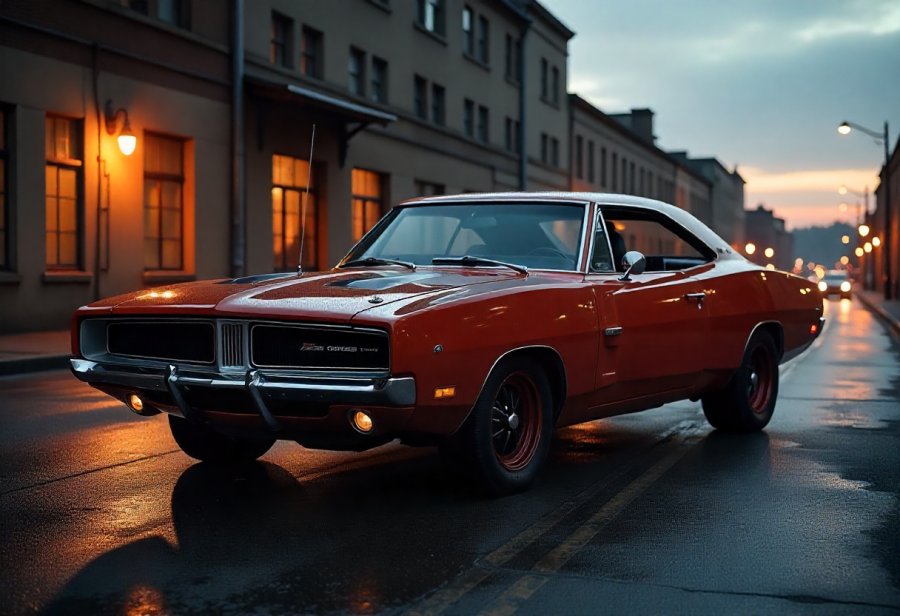
Design & Power: What Makes the Charger a Primal Road Warrior
The Dodge Charger’s design and performance are crafted to embody raw power and primal road presence. Its muscular stance, characterized by wide wheel arches and a broad front grille, immediately signals strength and aggression. Every line and contour serves a purpose, creating an impression of motion even when the car is standing still. The long, sculpted hood, often featuring vents or scoops, hints at the high-performance engines lurking beneath and underscores the car’s readiness to unleash its full potential. This purposeful design is about more than aesthetics—it’s engineering that commands respect on any road.
The engine lineup is central to the Charger’s primal appeal. From efficient V6s to thunderous supercharged V8s, each engine delivers blistering acceleration and a signature roar that defines muscle car rebellion. The deep, resonant exhaust notes aren’t just sounds—they’re a visceral reminder of strength, turning every drive into an emotional experience. Hitting the gas triggers an immediate, raw response that stirs adrenaline and connects drivers to the car’s untamed spirit. It’s this auditory and tactile feedback that cements the Charger’s reputation as a street racing beast.
Handling complements its raw power, with Dodge fine-tuning the suspension to provide agility without sacrificing comfort. Performance-tuned suspensions and precise steering give drivers confidence at high speeds and through sharp turns. Modern models benefit from advanced chassis engineering, balancing brute strength with refined control. This harmony of power and precision makes the Charger not only a muscle car legend but also a capable daily driver for those who demand more from their ride.
Every detail emphasizes its aggressive personality. The wide stance and low profile project dominance on the road, while features like hood scoops and vents reinforce its performance-focused DNA. The signature four round taillights and bold grille create an unmistakable visual identity that’s instantly recognizable. These elements serve both aesthetic and functional roles, channeling airflow and enhancing aerodynamics to boost performance further. The Charger’s design isn’t static; it evolves while maintaining its core identity rooted in primal street power.
The sound of a Charger roaring to life is more than noise—it’s a declaration of strength. Whether it’s the deep growl of a vintage HEMI V8 or the crackling exhaust of a modern supercharged engine, each note captures its fierce personality. This auditory signature evokes feelings of freedom and rebellion, resonating with drivers and spectators alike. It’s a core element that makes the Charger an icon, turning every start-up into a performance and every drive into a primal experience.
Over decades, the Charger has seamlessly fused classic muscle car aesthetics with cutting-edge technology. From vintage models with sleek lines and powerful engines to today’s high-tech variants equipped with digital dashboards and adaptive suspensions, it maintains its aggressive look and sound. This continuous evolution ensures the Charger remains relevant, blending the nostalgia of its roots with modern innovation. Its design and engineering reflect a relentless pursuit of primal road power, making it a symbol that endures across generations.
From Screens to Streets: The Charger’s Enduring Cultural Impact and Legacy
The Dodge Charger’s influence extends far beyond the showroom and into the realm of pop culture, where it has become an enduring symbol of rebellion, speed, and American muscle. Its instantly recognizable silhouette and thunderous engine roar have made it a favorite in movies, TV shows, and music videos, often representing freedom and streetwise attitude. Films like the “Fast & Furious” franchise showcase the Charger’s sleek design and ferocious sound, cementing its image as a street racing icon and a symbol of daring adventure.
In addition to Hollywood, the Charger’s presence in everyday media has helped shape its legendary status. Its appearance in classics like “Starsky & Hutch” and countless commercials reinforces the narrative of strength and performance, turning it into a cultural shorthand for toughness and independence. The car’s aggressive styling and thunderous engines have made it a staple in street racing stories and car chases, fueling the imagination of enthusiasts and casual fans alike.
Enthusiast communities play a vital role in preserving and amplifying the Charger’s legendary reputation. Car clubs, online forums, and restoration groups rally around its history, sharing stories, organizing events, and restoring vintage models. These efforts keep the spirit of the Charger alive, connecting new generations to its rebellious roots and fostering a sense of collective pride. Social media platforms further boost its influence, showcasing high-performance builds and nostalgic restorations that continue to inspire.
Modern variants like the SRT Hellcat have propelled the Charger back into the spotlight, blending classic muscle car attitude with cutting-edge technology. Young drivers and collectors are drawn to its ferocious performance and iconic presence, ensuring its cultural relevance persists. The Charger’s ability to evolve while maintaining its core identity keeps it at the forefront of muscle car culture, where it continues to symbolize unrestrained power and independence.
Decades after its debut, the Charger remains a symbol of American muscle and rebellion. Its appearance in media, its dedicated community of fans, and its ongoing technological evolution all contribute to its legendary status. The car embodies stories of street racing, daring escapes, and unyielding attitude—elements that resonate deeply with enthusiasts and pop culture fans worldwide. Its legacy is built not just on horsepower, but on a rebellious spirit that refuses to fade.
The Charger’s cultural impact shows no signs of waning. Whether roaring down the highway or flashing across a big screen, it continues to inspire stories of speed, defiance, and freedom. Its roar and attitude remain powerful symbols of rebellion, reminding us that true muscle car spirit is timeless. As it moves into the future, the Charger’s influence will undoubtedly endure, fueling new generations’ primal desire to conquer the road with raw power and attitude.
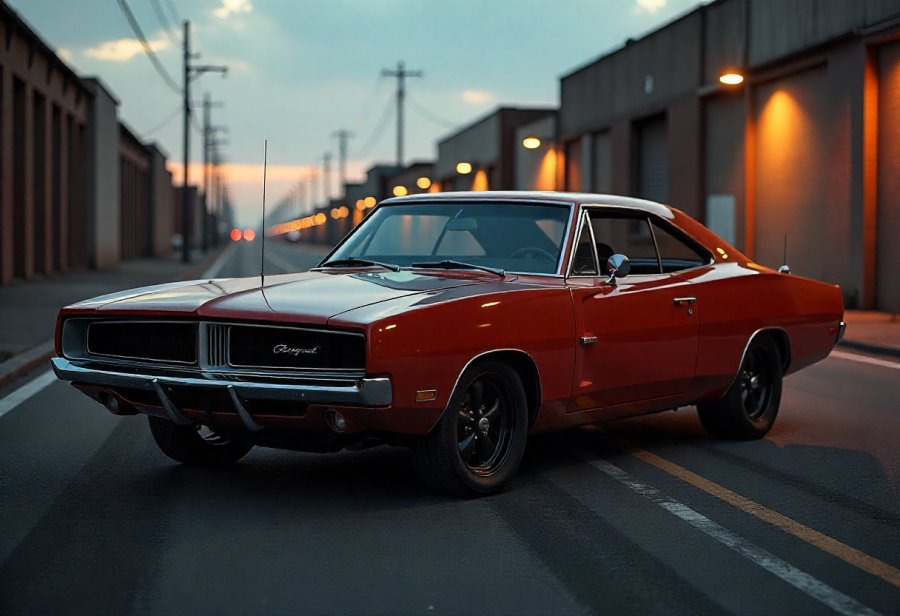
Looking Ahead: The Future of the Legendary Dodge Charger
The Dodge Charger’s enduring appeal lies in its ability to seamlessly blend raw power, bold design, and a rebellious attitude into a timeless icon. Despite rapid advances in automotive technology, the Charger remains relevant because it taps into something deeply primal—a craving for freedom, dominance, and adrenaline that never loses its edge. Its legacy is rooted in striking aesthetics and thunderous engines that continue to excite both longtime fans and new enthusiasts alike.
Looking ahead, the future of the Charger promises a compelling mix of tradition and innovation. As electric vehicle technology continues to evolve, there’s a real push to combine high performance with sustainability. Future models might feature electric drivetrains capable of delivering instant torque and blistering acceleration, all while preserving the rebellious spirit that defines the brand. This shift could redefine what primal road power means in an era increasingly focused on efficiency and eco-friendliness, ensuring the Charger’s core identity adapts without losing its essence.
Despite these technological shifts, the core personality of the Charger is likely to stay intact. Its muscular, aggressive design and iconic roar of a V8 engine are more than just aesthetics—they are expressions of a mindset rooted in rebellion and unrestrained performance. As newer generations seek vehicles that reflect personality and attitude as much as speed, the Charger’s DNA will evolve, but its rebellious soul will remain central. This balance between innovation and tradition will keep the Charger relevant and revered for decades to come.
The story of the Charger isn’t just about what it is today—it’s about what it will continue to represent. For many, it’s a rolling declaration of independence and primal instinct, a vehicle that refuses to fade into obscurity. Whether in a vintage form or a modern high-performance variant, the Charger embodies a spirit of relentless pursuit of speed and freedom. Its roar, attitude, and design continue to inspire new generations to chase the primal thrill of the open road.
Owners and enthusiasts play a vital role in preserving its legacy. Restoration projects, car shows, and online communities keep the Charger’s rebellious spirit alive, blending nostalgia with cutting-edge performance. These collective efforts ensure its roar remains loud and its story ongoing, inspiring future owners to carry the torch of American muscle. As it continues to evolve, the Charger’s essence—bold, fierce, and unapologetically powerful—will keep inspiring those who crave the primal thrill of the road.
In a world increasingly driven by technology, the Charger’s raw, primal DNA will always find a place. Whether powered by roaring V8s or electrified for the future, it stands as a symbol of American muscle and rebellion. Its design and attitude are more than just features—they represent a mindset of independence and defiance that resonates with anyone seeking more than just transportation. The Charger’s legacy isn’t fading; it’s only just getting started, roaring into tomorrow with the same fierce spirit that made it a legend.