History often remembers Cleopatra VII as a legendary seductress, but her true legacy lies in her intellect, diplomacy, and strategic mastery. Could her real power be rooted in her sharp mind and cultural influence rather than mere glamour? Born into a fractured Egyptian kingdom, she mastered multiple languages, supported Alexandria’s renowned library, and cultivated an environment of learning and innovation. Her alliances with Julius Caesar and Mark Antony were calculated moves to preserve Egypt’s independence, showcasing her political acumen. Cleopatra’s leadership was characterized by resilience, shrewd negotiation, and a profound understanding of cultural symbolism—traits that helped her navigate treacherous internal rivalries and external threats. Her legacy endures not just as a ruler, but as a pioneer who demonstrated that true influence stems from wisdom, knowledge, and the ability to adapt. In a turbulent era, her mind was her greatest weapon, inspiring generations long after her reign.
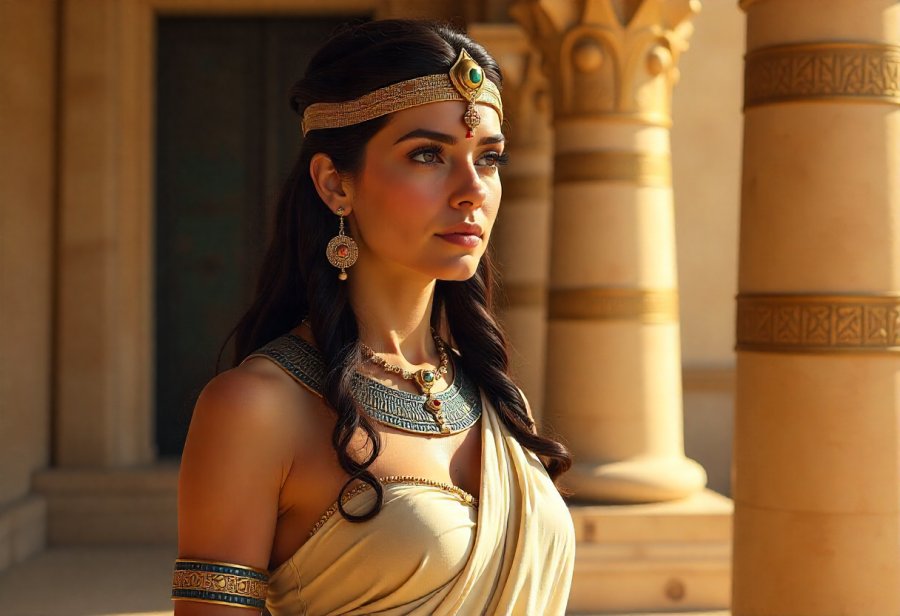
Unveiling Cleopatra: A Leader Driven by Intellect and Strategy
Cleopatra VII is often remembered as one of history’s most iconic figures, but her true strength wasn’t in the glamour or romantic stories that have long been associated with her. Instead, her real power lay in her sharp mind, strategic thinking, and political skill. She was a ruler who understood that leadership wasn’t just about appearances—it was about understanding people, navigating complex alliances, and making calculated moves in a turbulent world.
Born into the Ptolemaic dynasty, Cleopatra was highly educated and multilingual, fluent in Egyptian, Greek, Latin, and other languages. This linguistic ability wasn’t just a curiosity; it was a vital tool that allowed her to communicate directly with diverse rulers and scholars, strengthening her diplomatic position. Her education extended into science, philosophy, and literature, making her more than just a monarch—she was a scholar-queen who valued knowledge as a source of power.
Hollywood’s portrayal of Cleopatra as a glamorous seductress often overshadows her true qualities as a leader. Her relationships with Julius Caesar and Mark Antony were undoubtedly legendary, but they were carefully calculated political alliances, not mere romances. Cleopatra understood that her influence depended on her ability to navigate political landscapes, build strategic partnerships, and defend Egypt’s independence amid external threats.
Her leadership was characterized by a remarkable ability to adapt and negotiate. She recognized early that maintaining Egypt’s sovereignty required more than military might; it demanded intelligence, patience, and diplomatic finesse. Her mastery of negotiation, combined with her understanding of cultural symbols and internal politics, allowed her to hold onto her throne despite internal rivalries and the rising power of Rome.
Far from being just a figure of beauty, Cleopatra was a formidable tactician who relied on her wit and political acumen. Her ability to read her enemies, leverage cultural symbols, and craft strategic alliances made her a resilient and effective ruler. Her legacy is rooted in her intellect and how she used her knowledge to shape her destiny—a testament to leadership driven by strategic thought rather than superficial glamour.
Navigating Turbulence: Cleopatra’s Reign Amid Egypt’s Political Chaos
Cleopatra VII’s reign unfolded during a period of intense upheaval in Egypt and the broader Mediterranean world. When her father, Ptolemy XII, died in 51 BCE, she inherited a kingdom already fractured by internal rivalries and external threats. At just about 18 years old, Cleopatra demonstrated remarkable political instinct, quickly realizing that her survival depended on forming strategic alliances. Her rule coincided with the decline of the Ptolemaic dynasty, a Greek family that had ruled Egypt since Alexander the Great’s empire fragmented, blending Hellenistic traditions with native Egyptian customs to legitimize their authority.
Egypt was a vibrant cultural hub, especially in Alexandria, home to the legendary Library and Museum. These institutions weren’t just symbols of learning—they were centers of innovation, attracting scholars from across the known world. The Ptolemies projected divine authority through elaborate rituals and symbols, reinforcing their role both as political leaders and divine figures. Cleopatra’s dual identity as Greek and Egyptian was central to her leadership style, helping her connect with diverse populations within her kingdom and maintain stability amid internal dissent.
The political landscape was fraught with danger. Rivals, family disputes, and Rome’s expanding influence created constant uncertainty. Egypt’s strategic position made it a prize for imperial ambitions, and Cleopatra understood that diplomacy was her most powerful tool. She adeptly balanced relationships with neighboring powers, especially Rome, which was rapidly asserting dominance over the Mediterranean. Forming alliances with Julius Caesar and later Mark Antony was not driven by personal desire but by a calculated effort to preserve Egypt’s independence and her own reign.
Her alliances with Rome exemplified her diplomatic finesse. In 48 BCE, she faced a civil war with her brother, Ptolemy XIII, who challenged her claim. Cleopatra’s support from Julius Caesar helped her defeat her rivals and secure her throne. After Caesar’s assassination, she aligned with Mark Antony, aiming to restore Egypt’s influence and resist Roman encroachment. These partnerships were carefully crafted strategies, showcasing her ability to navigate complex political waters with intelligence and resilience.
Culturally, Cleopatra’s court was a melting pot of Greek, Egyptian, and Hellenistic influences. She patronized Alexandria’s scholarly institutions, fostering a climate of research, philosophy, and arts. Her court became a vibrant hub for scientific advancement and artistic expression, reinforcing Egypt’s reputation as a center of knowledge. Cleopatra recognized that her strength extended beyond military prowess—her ability to leverage culture, diplomacy, and knowledge was key to maintaining her power in a turbulent era.
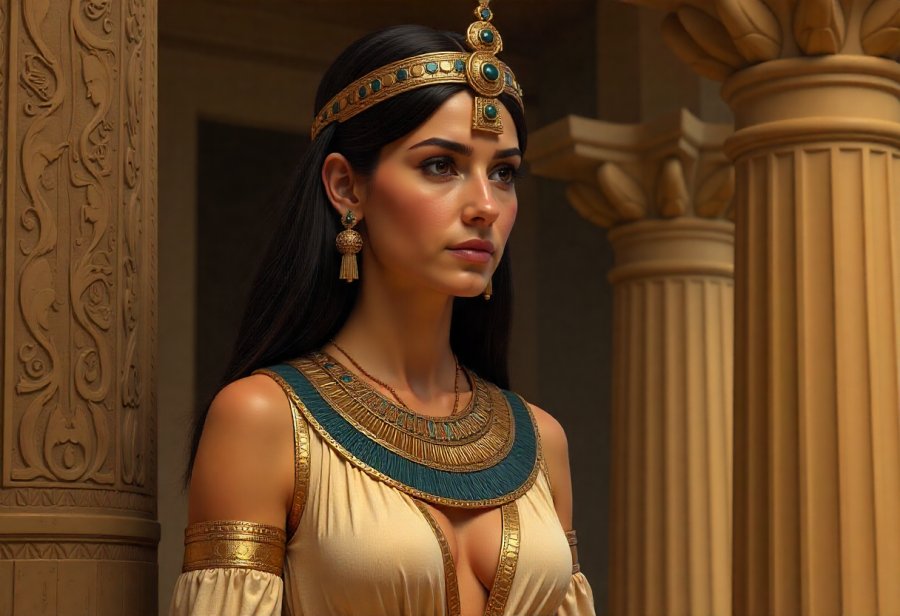
The Scholar Queen: Cleopatra’s Multilingual Mastery and Intellectual Pursuits
Cleopatra’s reputation as a scholar-queen often takes a backseat to her legendary beauty and political alliances, but her education and intellectual pursuits were central to her leadership. Fluent in multiple languages—including Egyptian, Greek, Latin, and others—she could communicate directly with a diverse array of diplomats, scholars, and rulers. This linguistic mastery was more than a personal achievement; it was a strategic tool that enhanced her influence and allowed her to negotiate without relying heavily on intermediaries. Her ability to speak and understand multiple tongues gave her a diplomatic edge, making her messages more authentic and her negotiations more effective.
Her scholarly interests went well beyond language. Cleopatra was deeply invested in sciences, philosophy, and literature, actively supporting Alexandria’s renowned institutions like the Library and the Museum. These centers weren’t just symbols of cultural prestige—they were vibrant hubs of research and innovation, attracting scholars from across the ancient world. Her patronage fostered an environment where ideas flourished and new discoveries emerged, positioning Egypt as a beacon of knowledge and intellectual advancement. This strategic support helped elevate her kingdom’s status as a leading center of learning.
Her education was broad and rigorous, covering subjects like mathematics, astronomy, medicine, and philosophy. This diverse knowledge gave her a nuanced understanding of political, scientific, and cultural issues, enabling her to craft sophisticated strategies and diplomatic moves. Cleopatra’s curiosity wasn’t superficial; it was a deliberate part of her leadership arsenal, designed to deepen her authority and legitimacy. Her scholarly pursuits reinforced her image as a ruler who valued wisdom as much as power, making her a respected and resilient leader in turbulent times.
Cleopatra’s mastery of languages and her dedication to scholarship weren’t just personal pursuits—they were tools for influence. Engaging directly with intellectuals and foreign dignitaries, she built credibility and trust, elevating her above many of her peers. Her fluency in multiple languages allowed her to discuss complex ideas and negotiate from a position of strength, making her not only a political figure but also a symbol of enlightened leadership. This focus on knowledge and communication helped her navigate internal rivalries and external threats with finesse.
Her commitment to intellectual growth left a lasting legacy. Cleopatra understood that leadership depended on more than military might; it relied on a kingdom’s cultural and scientific vitality. By supporting Alexandria’s institutions and pursuing her own scholarly interests, she cultivated an environment where innovation and learning thrived. Her reign exemplifies how wisdom and education can serve as enduring sources of power, inspiring future generations to see intellect as a cornerstone of effective leadership.
A Legacy of Learning: Cleopatra’s Patronage of Alexandria’s Knowledge Hub
Cleopatra’s legacy as a scholar-queen extends beyond her political maneuvering and military alliances. She was a passionate supporter of knowledge, actively cultivating an environment where scholarship and innovation could flourish. Her reign coincided with Alexandria’s golden age as a hub of learning, science, and arts. She understood that a ruler’s true strength lay not only in territory or armies but also in the cultivation of ideas and intellectual progress.
One of her most enduring contributions was her role as a patron of the Library of Alexandria, one of the ancient world’s greatest symbols of knowledge. Cleopatra invested heavily in its growth, funding research and encouraging the collection of texts from across the known universe. Her support helped expand its vast repository, transforming it into a vibrant center where scholars from different cultures could exchange ideas, debate theories, and push the boundaries of understanding. This patronage was a strategic move to position Egypt—and herself—as leaders in learning and culture.
Her multilingual abilities played a crucial role in her scholarly legacy. Fluent in Egyptian, Greek, Latin, and other languages, Cleopatra directly engaged with scholars, diplomats, and scientists from varied backgrounds. This skill allowed her to negotiate and influence without intermediaries, boosting her credibility and authority on the international stage. Her mastery of language exemplified her view that knowledge and effective communication were central to leadership and influence.
Cleopatra’s personal interest in sciences, philosophy, and the arts was evident in her support for Alexandria’s institutions. She fostered an environment where research, artistic expression, and philosophical debate thrived. Under her patronage, innovations in astronomy, medicine, and literature emerged, reinforcing Egypt’s reputation as a cradle of knowledge. Her court became a magnet for intellectuals and thinkers, transforming her kingdom into a beacon of scholarly activity.
Her dedication to fostering learning was also a reflection of her deeper understanding of leadership. Cleopatra recognized that a thriving cultural and intellectual environment could legitimize her rule and ensure its longevity. By investing in education and supporting the growth of ideas, she created a legacy that transcended political power, leaving a lasting imprint on history as a ruler who valued wisdom as much as conquest.
Her support for Alexandria’s institutions helped establish Egypt as a center of innovation and scholarship in the ancient world. The library and Museum weren’t just repositories of texts—they were dynamic spaces of discovery and debate. Cleopatra’s commitment to these centers made them engines of progress, attracting scholars from across the Mediterranean and beyond.
This emphasis on knowledge and cultural growth made her a symbol of enlightened leadership. Cleopatra understood that true power was rooted in the minds of her people and the collective pursuit of understanding. Her legacy endures as a testament to the idea that investing in learning and intellectual development can create a form of influence that lasts far longer than any empire or military victory.
Today, Cleopatra’s role as a patron of learning continues to inspire. Her example demonstrates that nurturing knowledge and fostering intellectual vitality are vital elements of leadership. Her legacy reminds us that wisdom, curiosity, and cultural support are powerful tools—capable of shaping civilizations and inspiring generations long after the political battles have faded into history.
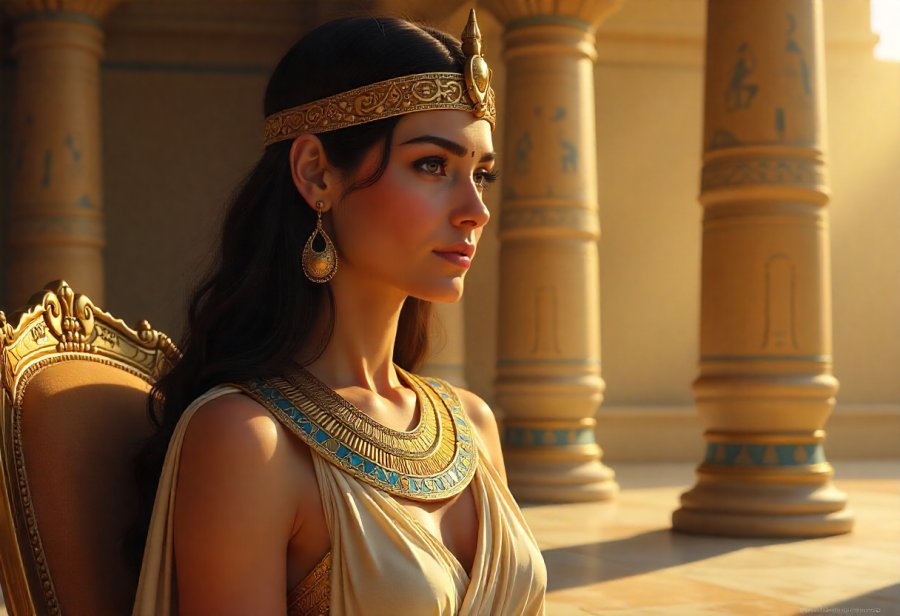
Enduring Influence: How Cleopatra’s Wisdom Shaped History and Inspired Generations
Cleopatra’s influence extends far beyond the dramatic moments of her reign, shaping her legacy as a leader who prioritized wisdom, diplomacy, and resilience. Over time, her story has shifted from romanticized myth to a nuanced portrait of a woman who mastered the art of negotiation, scholarship, and strategic thinking. Her ability to speak multiple languages, support Alexandria’s famed library, and forge alliances with figures like Julius Caesar and Mark Antony highlights her understanding that knowledge is a form of power. These skills enabled her to maintain Egypt’s independence amid a turbulent era, proving that leadership rooted in intellect leaves a lasting mark.
Breaking away from stereotypes of her time, Cleopatra demonstrated that strength was more than just charm or military might. She wielded cultural symbols, intellectual prowess, and persuasive diplomacy to influence both enemies and allies. Her resilience in the face of internal rivalries and external threats earned her respect across political boundaries, transforming her into a symbol of female leadership and fortitude long after her reign ended. Her story continues to challenge reductive narratives that focus solely on romance, instead emphasizing her as a pioneer who used her mind as her greatest weapon.
Her mastery of diplomacy and cultural understanding offered lessons for generations of leaders. Her strategic alliances with Rome’s top figures weren’t based on charm alone but on a deep grasp of timing, influence, and symbolism. Cleopatra’s ability to read her opponents, adapt her messaging, and leverage Egyptian traditions for political gain exemplifies leadership rooted in intelligence and adaptability. These lessons remain relevant today, reminding us that genuine influence combines strategic thinking, cultural awareness, and the capacity to inspire trust through knowledge.
Her patronage of Alexandria’s great library and her support for scientific and philosophical pursuits cement her reputation as a supporter of learning. She viewed knowledge as a vital source of strength, investing in institutions that fostered innovation and scholarship. By nurturing Alexandria’s intellectual environment, she helped establish Egypt as a beacon of cultural and scientific progress. Her focus on fostering ideas and education ensured her legacy would outlast her political achievements, emphasizing that true power stems from the cultivation of wisdom and ideas.
Cleopatra’s legacy is a testament to the enduring power of the mind. Her ability to combine scholarship, diplomacy, and resilience allowed her to navigate one of history’s most turbulent periods while leaving a mark that continues to inspire. Her example shows that leadership isn’t solely about conquest or charisma but about the deep understanding and strategic use of knowledge. Cleopatra’s story reminds us that the greatest influence often comes from intellect—a timeless idea that remains as relevant today as it was thousands of years ago.
