Mastering the art of calm, heel-walking with your dog transforms everyday outings from stressful to peaceful. But how do you turn routine walks into moments of trust, communication, and mutual respect? This guide offers practical tips to help you build focus, reduce pulling, and manage distractions across any environment. From understanding canine behavior and positive reinforcement to choosing the right equipment and creating consistent routines, you’ll discover how patience and persistence pay off. The journey isn’t without challenges—distractions like passing cars or other dogs can test your dog’s training—but with gradual exposure and gentle guidance, progress becomes possible. As your dog learns to stay attentive and walk politely by your side, walks become safer, more enjoyable, and deepen your bond. Are you ready to unlock this peaceful, mutually rewarding connection and turn daily routines into shared successes?
Transform Your Routine with Calm Dog Walking
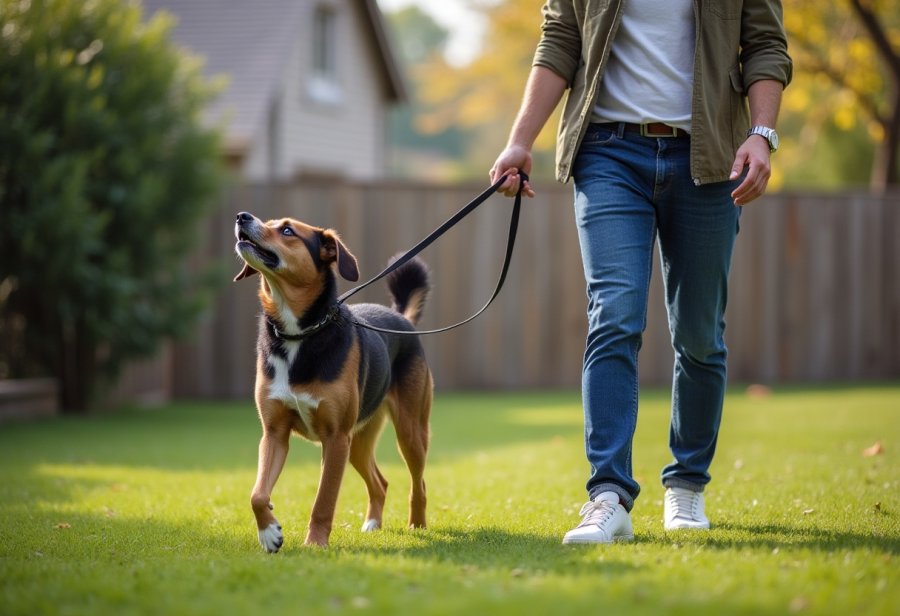
Walking calmly with your dog might seem straightforward, but mastering this skill can truly transform your daily routines. A relaxed, controlled walk isn’t just about good manners; it’s about creating a positive shared experience rooted in trust and clear communication. When your dog learns to walk politely at your side, outings become safer, more enjoyable, and less stressful for both of you.
This guide is designed to help you develop that sense of calm and control during your walks. Whether you’re just starting out or looking to refine your approach, you’ll find practical techniques that focus on building focus, reducing pulling, and managing distractions. From establishing a reliable heel command to handling busy environments, these tips aim to turn routine walks into moments of connection and peace.
Calm walks go beyond manners—they lay a foundation for a stronger bond. When your dog responds reliably to cues and stays focused, they feel more secure and confident. This shared understanding makes every outing a bonding opportunity, fostering mutual respect and making daily routines more enjoyable.
Achieving this harmony takes patience and consistency. It’s about guiding your dog gently but firmly, rewarding good behavior, and gradually exposing them to more stimulating settings. With time and effort, even energetic or distracted dogs can learn to walk calmly, turning everyday walks into rewarding experiences that deepen your bond.
Build a Foundation: Understanding Dog Behavior and Reinforcement Principles
Training a dog to walk calmly at your side begins with understanding some core principles of canine behavior and effective reinforcement. Dogs are naturally social animals that thrive on routine, positive feedback, and trust. When they feel safe and are rewarded consistently, they learn to respond reliably to commands like “heel” and stay attentive during walks. Calm walking isn’t just about leash manners; it’s about building a relationship based on mutual respect and clear communication. Recognizing how dogs learn—mainly through repetition and positive reinforcement—helps owners set realistic goals and stay patient through setbacks.
Positive reinforcement is key. Reward your dog with treats, praise, or play whenever they walk politely at your side. This encourages them to repeat the behavior and gradually makes calm walking their default. Consistent routines and clear cues reinforce expectations, reducing confusion and frustration. Over time, your dog begins to associate good leash manners with positive outcomes, which makes training more effective and enjoyable.
Dogs primarily learn through association. When a cue like “heel” is followed by a reward, they connect the command with a desirable consequence. Building trust is equally important; a confident dog is more receptive to training and less likely to become anxious or reactive. Gentle, steady guidance combined with positive feedback creates an environment where your dog can thrive and respond eagerly.
Different training methods suit different dogs and owners—clicker training, leash handling techniques, or a mix of approaches often yield the best results. Starting in calm environments and gradually introducing distractions helps your dog generalize calm walking across various settings. Patience and consistency turn these foundational concepts into lasting habits, setting the stage for peaceful, focused walks and a stronger bond.
Navigating the Modern Training Landscape: Challenges and Opportunities
Training dogs to walk calmly at your side is a goal many owners pursue, but the path isn’t always straightforward. The landscape of dog training has evolved significantly, with positive reinforcement, clicker training, and leash guidance leading the way. These methods are effective at building focus and good manners, especially when applied consistently. However, distractions like busy streets, other dogs, or loud noises often challenge even the most dedicated owners, causing pulling, lunging, or ignoring commands. This can turn peaceful walks into frustrating experiences.
Many owners find it difficult to maintain focus and control in stimulating environments, but setbacks are normal. Starting in quiet areas and gradually introducing distractions helps dogs learn to stay attentive and calm. Using tools like no-pull harnesses or gentle leash corrections can make a noticeable difference, teaching your dog that polite walking results in praise and treats rather than tension. The key is patience; progress may be slow, but persistence pays off.
Different dogs respond better to different approaches. Some owners prefer clicker training for its precision, while others find that consistent routines and gentle handling work best. Combining these strategies often yields the most reliable results. The effort to generalize calm behavior across various settings is ongoing, but with steady practice, dogs can learn to navigate more complex environments confidently.
Despite challenges, many owners see real progress with patience and perseverance. Celebrating small victories keeps motivation high and empowers owners to keep refining their techniques. Over time, the focus shifts from managing problems to enjoying peaceful, connected walks. This evolving landscape of training underscores that with the right tools and mindset, calm, pleasurable outings are within every dog owner’s reach.
Budget Smart: Cost-Effective Strategies for Calm Walking Training
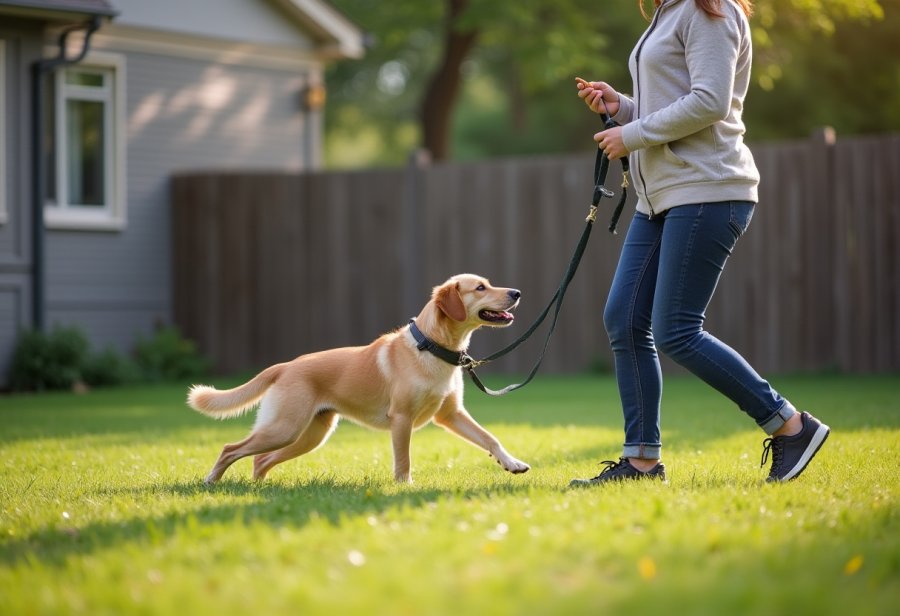
Training a dog to walk calmly at your side doesn’t have to be an expensive endeavor, but understanding the costs involved helps you plan effectively. Basic equipment like a sturdy leash, collar, or harness typically ranges from $10 to $30 and is a worthwhile investment for safe, comfortable walks. If you choose professional help, group training classes usually cost between $100 and $300 for a series of sessions, offering valuable guidance and structure. These classes can accelerate progress and provide expert feedback, especially for dogs with specific behavioral challenges.
Beyond classes, many training aids—such as clickers, treat pouches, or specialized harnesses—add to the budget but can make training more efficient and enjoyable. Spending a bit more on quality gear often pays off by reducing frustration and speeding up results, ultimately saving money over time. However, many owners succeed using simple, affordable tools like regular treats, consistent routines, and patience, proving that effective training doesn’t require a big financial outlay.
For those on tight budgets, countless free resources are available online—tutorials, printable plans, and videos—that support consistent practice. Homemade treats or DIY solutions can also keep costs low while still providing effective reinforcement. Remember, the most significant investment is your time and dedication; regular, focused practice yields the best results without extra expenses.
Balancing your financial resources with your training goals means selecting tools and routines that fit your lifestyle. The core of calm walking training is consistency—small, daily efforts that build toward lasting habits. You don’t need expensive equipment or fancy classes to see progress; patience and persistence are your best tools. Every small step forward makes peaceful, confident walks more achievable for you and your dog, regardless of budget.
By approaching training with a realistic view of costs, you can create a sustainable plan that works for both your finances and your dog’s needs. Focus on steady routines, positive reinforcement, and gradual exposure to distractions. Over time, these simple, affordable strategies will help your dog develop calm, focused walking skills. The journey is about consistent effort, not costly solutions, turning everyday walks into moments of joy and connection without breaking the bank.
Real-World Success: How Calm Walks Enhance Daily Life
Practicing calm walking consistently transforms everyday outings into more relaxed and enjoyable experiences. Owners often find that trips to the park or errands around town become less stressful once their dog reliably walks beside them without pulling or lunging. Instead of worrying about sudden darts into traffic or distractions like passing dogs and noisy cars, walks become peaceful routines that both you and your dog can look forward to. This sense of control not only makes outings safer but also deepens your bond, turning a simple walk into a shared moment of success.
Calm walking also significantly boosts safety, especially in busy environments. A focused, well-behaved dog is less likely to lunge at strangers or other animals, reducing potential hazards. Many owners report their dogs grow more confident and relaxed in crowded places, making trips to parks, streets, or outdoor cafes more manageable. These improvements open up new opportunities for mental stimulation and socialization, enriching your dog’s daily life and strengthening your relationship.
Beyond safety, a calm walk cultivates mutual trust and understanding. When your dog responds reliably to cues like “heel” and maintains focus amid distractions, it reinforces your leadership. Over time, walks shift from tense obligations to enjoyable shared experiences. Dogs become more attentive and confident, and owners feel more relaxed, turning routine outings into moments of genuine connection.
Stories from pet owners highlight these benefits vividly. One owner transformed stressful city walks into peaceful adventures after consistent training, with her dog now walking calmly even amidst busy streets. These real-life examples prove that patience, persistence, and positive reinforcement can lead to lasting change. The result is a more harmonious, joyful walk that benefits both you and your dog, making daily routines a source of comfort and companionship.
Step-by-Step Guide to Training Your Dog for Peaceful Heel-Walking
Begin training in a quiet, low-distraction space where your dog can focus and learn the basics of calm walking without feeling overwhelmed. Use a clear, consistent command such as “heel” or “walk nice,” and immediately reward your dog with treats or praise when they walk calmly at your side. Keep each session short—around five to ten minutes—to maintain your dog’s interest and prevent frustration. As they become more comfortable, gradually increase the distance they walk without pulling, always reinforcing relaxed behavior.
Maintain a steady, natural pace that matches your dog’s walking rhythm. Keep the leash loose—tension signals stress and can excite your dog further. If your dog pulls ahead or falls behind, gently redirect their attention with your cue or a subtle leash correction, then reward them when they respond correctly. Consistent use of commands and handling helps your dog understand what’s expected and encourages automatic responses. Over time, they’ll associate walking politely with positive outcomes, making good leash manners more reliable.
Reinforce calmness and attentiveness by praising immediately when your dog stays focused and walks beside you without pulling. Use treats or verbal praise to strengthen this positive association. As your dog gets better at focusing, introduce mild distractions—such as passing cars or other dogs—in a controlled manner. Reward calm, focused walking in these environments to help your dog generalize good habits across different settings.
Patience is key. Progress may be slow, especially with energetic or easily distracted dogs. Celebrate small victories, like a few steps without pulling, and build on those successes. Consistent routines and positive reinforcement create a predictable environment that helps your dog learn that calm walking is rewarding and normal. Remember, every walk is an opportunity to reinforce these behaviors and deepen your bond.
Incorporate regular breaks during training to keep your dog relaxed and engaged. If signs of restlessness or distraction appear, pause briefly and give your dog a moment to settle. Then, gently resume the walk, praising calm behavior along the way. This approach prevents frustration and helps your dog associate walking calmly with positive experiences. As confidence grows, gradually practice in more stimulating environments, always reinforcing good behavior.
Don’t rush the process. Training takes time, and setbacks are part of learning. If your dog pulls or gets distracted, calmly bring them back to heel and reinforce the desired behavior. Consistent, gentle guidance paired with lots of praise will help your dog internalize good leash manners. Recognize that patience and persistence are your best tools—each small step forward builds toward peaceful, enjoyable walks.
With steady practice, your dog will start responding reliably even amid distractions. Keep sessions positive and focused, celebrating every success. Over time, these efforts will turn calm, heel-walking into a natural habit, transforming daily walks into peaceful, bonding moments that both of you look forward to.
Overcoming Obstacles: Common Challenges and Effective Solutions
Training your dog to walk calmly can sometimes feel like an uphill battle, especially when unexpected distractions appear. Things like passing cars, other dogs, or loud noises can easily pull your dog’s attention away, leading to pulling, lunging, or ignoring commands. It’s normal to encounter setbacks; progress isn’t always linear. The key is to stay consistent and patient, starting in quiet, low-stimulation environments where your dog can focus and build confidence before gradually introducing more distractions.
Leash pulling remains one of the most common challenges. Dogs often pull because they’re excited or simply don’t understand they need to stay close. Using tools like no-pull harnesses or practicing gentle leash guidance can make a big difference. When your dog surges ahead, redirect their attention with your cue or a light correction, then reward them when they respond correctly. Over time, they’ll learn that polite walking results in praise and treats, not tension.
Setbacks after progress are normal, especially if routines change or training isn’t consistent. When this happens, return to basics in calmer settings and reinforce the behaviors you want. Keep training sessions short and positive, celebrating small wins to maintain motivation. Environmental triggers like scents or loud noises can throw your dog off; pausing briefly and rewarding calmness helps them regain focus.
If your dog shows signs of stress or persistent issues, don’t hesitate to seek help from a professional trainer. They can tailor strategies to your dog’s specific needs. Remember, patience and persistence are your best tools—every challenge is an opportunity to strengthen your bond and improve your dog’s manners. Staying calm and consistent will lead to more peaceful, enjoyable walks over time.
Focus Points: Mastering Calmness and Peaceful Leash Training
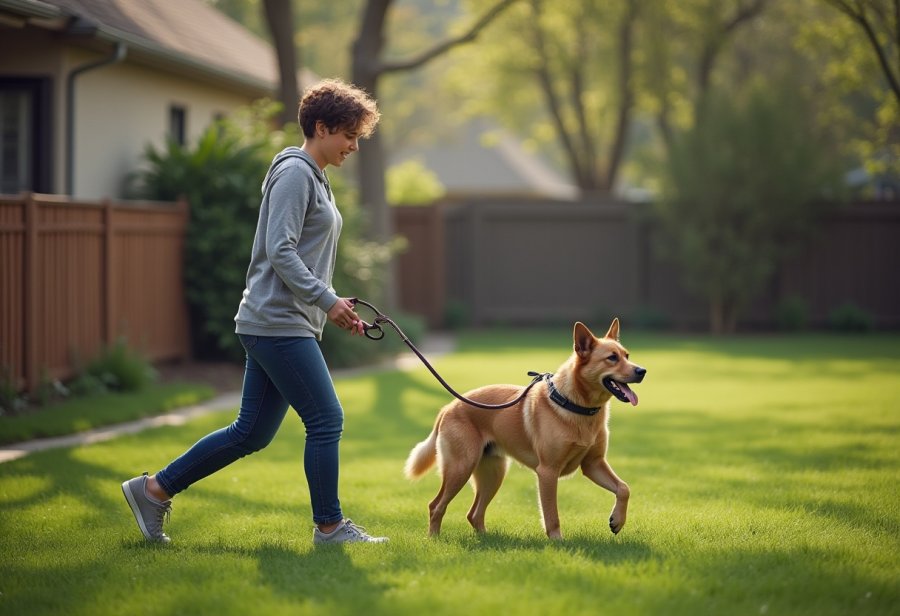
The foundation of calm dog walking begins with how you carry yourself during each outing. Dogs are incredibly perceptive to your energy, so maintaining a relaxed, steady demeanor sets a peaceful tone. Use a calm voice and smooth, deliberate movements to encourage your dog to mirror your tranquility. When you remain composed, your dog feels safe and is more likely to respond reliably to cues like “heel” or “walk nice.” This calmness helps prevent tension from building, making training more effective and enjoyable.
Choosing the right equipment can significantly influence your success. A no-pull harness or a well-fitting collar provides better control and comfort, reducing the tendency to pull. Keep the leash loose—tight tension often signals stress and can escalate your dog’s excitement. Instead, use gentle, consistent tension to guide your dog without yanking, helping them focus on your cues rather than reacting to the leash.
Consistency in commands and routines reinforces good habits. Use the same words and signals every time, so your dog quickly learns what’s expected. Reward calm, attentive walking immediately with treats or praise to strengthen the behavior. Positive reinforcement makes your dog associate peaceful walking with pleasant outcomes, encouraging them to stay focused and relaxed.
Break training into short, regular sessions to maintain your dog’s interest and prevent fatigue. Even five-minute intervals can be effective if done consistently. Incorporate mild distractions gradually—like passing cars or other dogs—and reward calm responses. This helps your dog generalize good habits across different environments, making peaceful walking a natural response.
Patience and persistence are crucial. Progress may be slow, especially with energetic or easily distracted dogs. Celebrate small victories, like a few steps without pulling, to keep motivation high. Over time, these small successes build a foundation of trust and understanding, transforming walks from stressful to serene.
Focus on steady, positive reinforcement throughout each walk. When your dog stays focused and walks beside you calmly, praise immediately. This clear, consistent feedback reinforces the desired behavior and helps your dog understand that calm walking is rewarding. Over time, good manners become automatic, making outings smoother and more enjoyable.
Pay attention to environmental factors that can disrupt your dog’s focus. If your dog becomes distracted or anxious, pause briefly and give them a moment to settle. Gradually reintroduce stimuli, rewarding calmness in each new situation. This approach builds resilience and helps your dog stay attentive even amid noise, scents, or other dogs.
Remember, creating a calm walking routine isn’t about perfection but steady improvement. Keep your sessions positive and relaxed, and avoid frustration if setbacks occur. With patience, your dog will learn to stay focused and walk peacefully by your side, turning daily walks into peaceful, bonding experiences that both of you look forward to.