Nylon, a fabric woven into the fabric of modern life, offers unmatched durability and versatility. But at what cost? Its production relies on fossil fuels, triggering environmental havoc—from habitat destruction and greenhouse gas emissions to microplastic pollution infiltrating oceans and ecosystems. Once discarded, nylon resists decomposition, continuously leaching harmful chemicals and microfibers that threaten marine life and human health. This paradox of convenience and consequence raises urgent questions: Can innovation in recycling and bio-based alternatives mitigate these impacts? How can consumers and policymakers steer industry practices toward sustainability? As nylon’s environmental footprint grows, the challenge lies in balancing its indispensable role with responsible production and disposal. The future hinges on collective action—embracing greener materials, stricter regulations, and mindful consumption—to redefine nylon’s place in a healthier, more sustainable world.

Uncovering the Hidden Power and Widespread Influence of Nylon
Nylon is one of the most recognizable synthetic fibers in our modern world, seamlessly woven into countless aspects of daily life. Whether it’s the tights we wear, the carpets under our feet, or the sportswear we rely on, nylon’s versatility makes it an indispensable material. Its strength, elasticity, and affordability revolutionized the textile industry when it was first developed in the 1930s, offering a durable alternative to natural fibers like silk and cotton. Over the decades, nylon has expanded its reach, becoming a staple in everything from industrial ropes to fishing lines, highlighting just how widespread its influence has become.
What makes nylon particularly fascinating is how effortlessly it blends into our routines, often without us noticing. Its ability to resist wear and tear, resist shrinking, and absorb vibrant dyes makes it a go-to choice for manufacturers and consumers alike. These qualities have helped nylon maintain its popularity, as it promises durability and practicality. But behind this convenience lies a complex web of chemical processes and environmental costs that often go unnoticed.
Chemically, nylon is a polymer—long chains of molecules linked together through specific chemical reactions. It’s created from petrochemicals like benzene, adipic acid, and hexamethylenediamine, all derived from oil and natural gas. The production process involves polymerization, where these small molecules—called monomers—are linked into long chains, or polymers. This process requires high temperatures and catalysts, making it energy-intensive and dependent on large industrial infrastructure. Once formed, the nylon polymer is melted and extruded through tiny holes called spinnerets, creating fine fibers that are then cooled and stretched to enhance their strength.
This manufacturing process ties nylon directly to the fossil fuel industry. Extracting and refining oil and natural gas involves habitat destruction, water pollution, and significant greenhouse gas emissions. The chemical reactions used to produce nylon also emit pollutants like nitrous oxide, a greenhouse gas with a global warming potential many times higher than carbon dioxide. As global efforts focus on reducing carbon footprints, the environmental footprint of nylon production becomes increasingly difficult to ignore.
Beyond the factory, nylon’s durability becomes a long-term environmental challenge. Its resistance to natural breakdown means that discarded nylon products and microfibers can persist in landfills and ecosystems for decades. During this time, they leach chemicals into soils and waterways, contaminating ecosystems and potentially impacting human health. Tiny nylon fibers shed during washing—microplastics—find their way into oceans, where marine life ingests them, disrupting food chains and threatening biodiversity.
Addressing these environmental impacts requires a shift in how we produce and consume nylon. Innovations like recycling plastic waste into new fibers, along with the development of bio-based nylons from renewable resources, offer promising alternatives. Consumers can play a role by choosing products made from recycled fibers and supporting brands committed to sustainability. Meanwhile, governments can implement policies that promote cleaner production methods and stricter waste management standards. The path forward involves balancing nylon’s utility with its environmental costs—an effort that demands collective action and ongoing innovation.
Understanding nylon’s significance and its hidden costs prompts us to rethink the materials we rely on daily. Its versatility is undeniable, but so is its environmental footprint. By recognizing the complex story behind this common fiber, we can make more informed choices—supporting sustainable solutions that keep nylon’s benefits without sacrificing our planet’s health.
From Fossil Fuels to Fibers: The Complex Process of Nylon Manufacturing
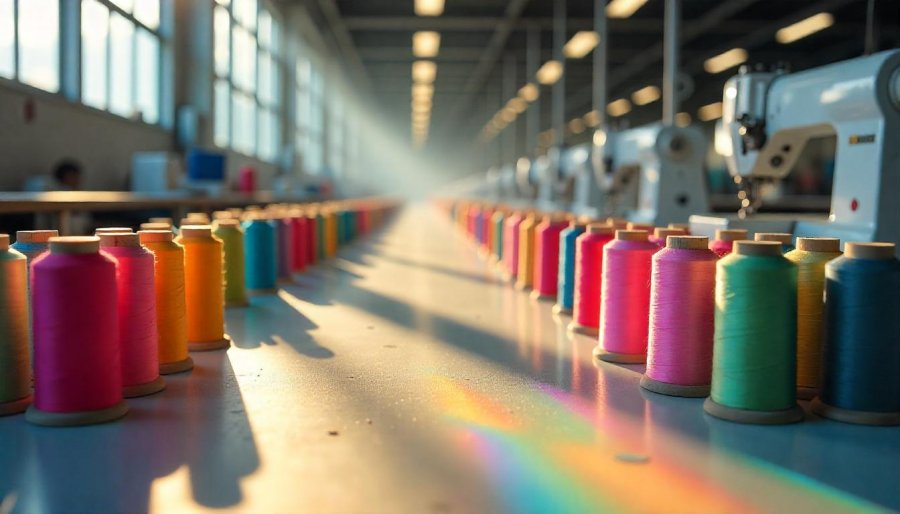
Nylon production starts with extracting raw materials from fossil fuels—primarily oil and natural gas. These resources are refined into basic chemicals like benzene, adipic acid, and hexamethylenediamine, which serve as the building blocks for nylon. The chemical reactions involved are complex, relying on processes such as condensation polymerization, where small molecules called monomers link together into long chains, or polymers. This process typically occurs at high temperatures with catalysts, making it energy-intensive and dependent on large-scale industrial infrastructure.
Once the nylon polymer is synthesized, it is melted down and prepared for fiber formation through extrusion. The molten polymer is forced through tiny holes called spinnerets, creating fine filaments that are quickly cooled. These fibers are then drawn and stretched, which aligns the molecules and enhances their strength and elasticity. Additional surface treatments or dyes may be applied depending on the intended use, but the core process remains the same: transforming petrochemical chemicals into durable synthetic fibers.
This manufacturing chain is tightly linked to the oil and gas industries. Extracting, refining, and transporting fossil fuels involves habitat disruption, water pollution, and significant greenhouse gas emissions. The chemical reactions used in nylon production also release pollutants such as nitrous oxide—an especially potent greenhouse gas with a warming potential many times higher than carbon dioxide. This dependence on non-renewable resources underscores nylon’s environmental footprint, highlighting how industrial processes contribute to climate change and ecological degradation.
The environmental costs don’t end at the factory gates. Nylon’s resilience in the environment means that discarded products and fibers persist for decades, resisting natural breakdown processes. During this time, nylon leaches chemicals into soils and waterways, contaminating ecosystems and potentially impacting human health. Microfibers shed from nylon during washing—tiny fragments of plastic—enter oceans and waterways, where marine life ingests them, disrupting entire food webs and accumulating in the bodies of sea creatures and humans alike.
Addressing these impacts calls for innovation and systemic change. Recycling technologies that convert plastic waste into new fibers are emerging as promising solutions to reduce reliance on virgin raw materials and lessen waste. Researchers are also developing bio-based nylons derived from renewable plant sources, which could dramatically lower the industry’s carbon footprint. Transitioning to these alternatives requires investments, policy support, and consumer awareness, but it presents a viable path toward more sustainable nylon production.
Ultimately, the journey from petrochemical to fiber reveals a complex web of industrial processes and environmental challenges. Understanding this process is crucial for appreciating nylon’s widespread presence and the costs it entails. Moving forward, responsible practices—such as increased recycling, innovation in bio-based materials, and stricter environmental regulations—are essential. Only through collective effort can we reconcile nylon’s utility with the urgent need to protect our planet’s health.
Environmental and Social Toll: How Nylon Affects Ecosystems and Communities
The environmental and social impacts of nylon production extend far beyond the factory floor, weaving into the very fabric of ecosystems and communities worldwide. During manufacturing, harmful chemicals and pollutants are released into the air, water, and soil, often in ways that are invisible yet cause long-lasting damage. Emissions of volatile organic compounds and greenhouse gases, particularly nitrous oxide—a potent contributor to global warming—add to the climate crisis. Nearby water sources frequently become contaminated with chemical runoff and wastewater, harming aquatic life and jeopardizing communities that rely on these waters for drinking, farming, and fishing.
Once nylon products are discarded, their durability becomes a significant problem. Unlike biodegradable materials, nylon resists natural breakdown, lingering in landfills and ecosystems for decades. During this time, it slowly releases chemicals into the environment, contaminating soils and groundwater. Microfibers—tiny strands shed during washing—enter waterways and oceans, where marine animals mistake them for food. These microplastics accumulate in the food chain, causing physical harm to marine life and risking human health through seafood consumption. The persistence of nylon makes it a long-term pollutant that complicates waste management and environmental cleanup efforts.
Marine ecosystems bear the brunt of nylon’s environmental footprint. Microplastics from nylon fibers infiltrate oceans, disrupting delicate food webs and harming countless marine species. Fish, shellfish, and plankton ingest these tiny particles, which can cause injury, reproductive issues, and toxicity. When humans consume seafood contaminated with microplastics, it raises concerns about health risks, highlighting how nylon pollution extends from ecosystems into our own bodies. On land, nylon waste in landfills persists for generations, slowly leaching chemicals into soil and water supplies. This persistent presence of plastic not only pollutes but also undermines the health of ecosystems and communities alike.
Communities near nylon manufacturing sites face disproportionate health risks. Chemical emissions during production—such as volatile organic compounds and hazardous waste—can lead to respiratory problems, skin conditions, and other health issues, especially among vulnerable populations. These environmental burdens often fall hardest on lower-income communities, which are more likely to be situated close to industrial facilities. The extraction of fossil fuels necessary for nylon’s raw materials further exacerbates social inequalities, as habitat destruction and pollution often impact marginalized groups the most. This interconnected web of environmental degradation and social injustice underscores the need for responsible industry practices and stricter regulations.
The lasting presence of nylon in the environment creates a cycle of damage that’s difficult to break. Its resistance to natural degradation means that once it enters ecosystems, it remains for decades—continuously leaching chemicals and shedding microfibers. This cycle contributes significantly to the global plastic waste crisis, overwhelming landfills and polluting oceans. Addressing these issues requires systemic change: innovations in recycling, development of bio-based nylons, and policies that hold industries accountable. Without concerted action, nylon’s environmental and social toll will only deepen, threatening the health of ecosystems and the well-being of communities. Recognizing these broad impacts compels us to rethink how we produce, consume, and dispose of this ubiquitous material.
Paving the Way for a Sustainable Future: Innovation, Responsibility, and Change in Nylon’s Journey
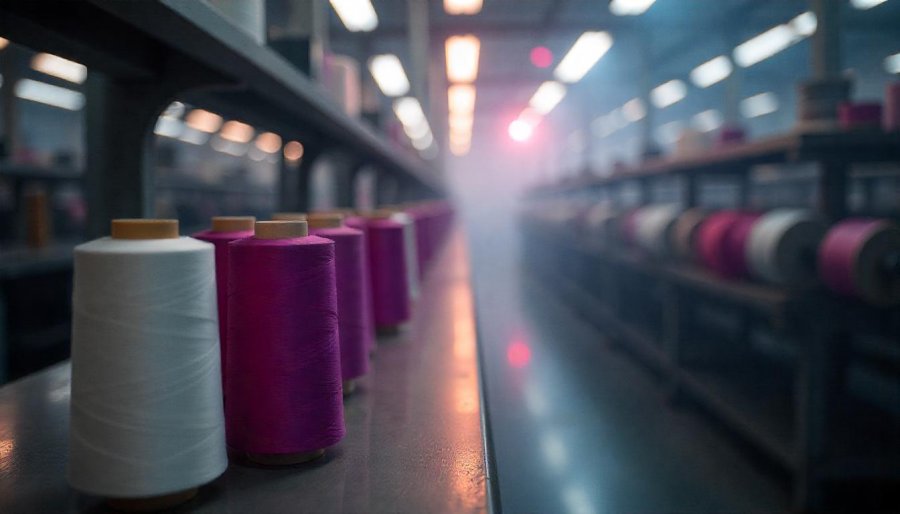
The future of nylon hinges on how industries and consumers respond to its environmental footprint. Its durability and versatility have cemented its role in countless products, yet these same qualities mean it lingers in ecosystems long after disposal. This persistence underscores the urgent need for innovations in recycling and the development of sustainable alternatives. Technologies that transform plastic waste into new fibers are making strides toward a circular economy, reducing reliance on virgin materials and easing the burden on landfills. Meanwhile, bio-based nylons, crafted from renewable plant resources, offer promising paths to maintain performance while drastically lowering environmental impacts.
Consumers hold considerable power in shaping this shift. By choosing products made from recycled fibers, supporting brands committed to sustainability, and advocating for better waste management, they can drive industry change. Small daily choices—like prioritizing eco-friendly options—create ripple effects that push companies to adopt greener practices. Raising awareness about nylon’s hidden costs helps foster a market where environmental responsibility becomes a key factor in purchasing decisions, aligning utility with sustainability.
Policy and regulation are vital in accelerating the transition. Governments can incentivize recycling programs, impose stricter standards on chemical emissions, and support the adoption of eco-friendly materials. Extended producer responsibility schemes, which make manufacturers accountable for the full lifecycle of their products, encourage more sustainable design and production methods. These measures can level the playing field, rewarding companies that innovate while discouraging practices that harm the environment. Effective policies can mobilize collective efforts to reshape the industry’s impact on our planet.
Despite promising advancements, challenges remain. Scaling recycling technologies requires significant investment and technological breakthroughs, especially in regions heavily dependent on traditional fossil fuel industries. Developing bio-based nylons involves overcoming economic and infrastructural hurdles, yet the environmental benefits compellingly justify the effort. Consumer willingness to prioritize sustainability over convenience is equally crucial; without demand, industry innovation stalls. Only through persistent investment, research, and cultural shifts can we truly transform nylon’s role.
Collaboration across sectors offers the best hope for meaningful change. Industry leaders, researchers, policymakers, and consumers must work together to foster innovation, implement responsible practices, and promote transparency. Investing in research and infrastructure, enforcing stricter regulations, and cultivating a culture of sustainability can accelerate the adoption of greener materials and methods. This collective effort aims to realign nylon’s utility with environmental health, ensuring that its benefits no longer come at the expense of ecosystems or vulnerable communities.
The path forward is complex but essential. Reducing nylon’s environmental impact demands a fundamental rethink of how we produce, use, and dispose of this ubiquitous fiber. Embracing innovation and shared responsibility can turn nylon from a symbol of ecological harm into a model of responsible manufacturing. The choices we make today will shape whether nylon’s convenience becomes a cornerstone of sustainable progress or a persistent source of harm. By committing to smarter production practices and conscious consumption, we can forge a future where practicality and planetary health go hand in hand.