A reliable vehicle depends on more than just a smooth engine—its true heart is the battery. Yet, many drivers overlook this small component until it fails at the worst moment. Regular checks for corrosion, loose connections, and voltage levels might seem simple, but they are crucial steps in preventing unexpected breakdowns. Do you truly know the health of your battery, or are hidden signs of aging lurking beneath the surface? Cold weather and short trips accelerate battery wear, making proactive maintenance essential. Cleaning terminals, tightening clamps, and monitoring your battery’s charge can extend its lifespan and ensure your car starts reliably every time. Ignoring these small habits can lead to costly repairs or roadside emergencies. Are you ready to master the art of battery care and enjoy worry-free driving? The secrets to dependable performance are within your reach—if you know what to look for and act early.

Keep Your Battery in Check for Worry-Free Driving
A dependable vehicle relies on more than just a smooth engine or responsive brakes; its true heartbeat is the battery. This small but vital component often goes unnoticed because it doesn’t seem as critical at first glance. However, your battery powers everything from your ignition system to your electronic accessories, making it essential for reliable daily driving. Its condition can quietly deteriorate over time, even if your car starts every morning without issue. Small signs like corrosion on terminals or a slight drop in charge might seem minor but can quickly escalate into major problems if left unchecked.
Many drivers assume that a car that starts is a sign of a healthy battery, but that’s a risky assumption. Batteries can weaken gradually without obvious symptoms, especially during colder months or after short trips that don’t give it enough time to recharge. Regular checks can reveal early signs of trouble—like buildup of corrosion or reduced voltage—that might otherwise catch you off guard. Addressing these issues proactively can save you from inconvenient breakdowns and costly repairs, keeping your vehicle dependable when you need it most.
Understanding the importance of routine battery maintenance is the first step toward worry-free driving. Simple tasks like inspecting the terminals for corrosion, ensuring connections are tight, and wiping away dirt and debris can make a significant difference. These small steps help prevent electrical issues that might cause your car to hesitate or fail to start unexpectedly. Making these checks part of your regular car care routine keeps your battery in top shape and your vehicle ready to go whenever you turn the key or press the start button.
A quick voltage test offers an even clearer picture of your battery’s health. Using a basic voltmeter, you can measure the charge in just minutes. When the engine is off, a healthy battery should read around 12.6 volts; anything significantly lower suggests the battery is losing its capacity. Performing this simple check every few months, especially before long trips or during cold weather, helps you catch early warning signs of aging or drain issues. Catching these signals early means you can address problems before they develop into roadside emergencies.
The environment around your battery also matters. Dirt, oil, and debris can cause poor electrical contact and accelerate corrosion, leading to unreliable starts. Regularly wiping down the battery and inspecting it for cracks or leaks keeps everything in good shape. A damaged case or internal leaks can pose safety hazards and damage your vehicle’s electronics. Keeping the area around the battery clean and intact not only ensures reliable power but also extends its lifespan, saving you money and stress in the long run.
Incorporating these simple, effective checks into your routine makes maintaining your vehicle’s reliability straightforward. A few minutes spent inspecting, cleaning, tightening connections, and testing voltage can prevent unexpected breakdowns and keep your car performing smoothly. These small efforts serve as early warnings, giving you the chance to fix minor issues before they turn into major headaches. Over time, these habits become second nature, creating a dependable routine that ensures your vehicle’s performance and your peace of mind.

Essential Practices to Preserve Battery Health and Reliability
Maintaining your vehicle’s battery health hinges on understanding some straightforward yet vital practices that can significantly extend its life and keep your car dependable. The first step is to regularly inspect the battery terminals for signs of corrosion. White or greenish deposits on the metal parts are common indicators that corrosion is forming, which can interfere with the flow of electricity. If caught early, a simple cleaning with baking soda and water and a gentle brush can remove the buildup and restore a solid connection. Making this part of your routine prevents minor issues from escalating into starting failures or electrical glitches down the line.
Ensuring the terminals are tightly secured is just as important as keeping them clean. Loose connections can cause inconsistent power delivery, making your vehicle harder to start or causing electronic components to behave unpredictably. A quick visual check or a gentle tug on the cables can reveal if they need tightening. When reconnecting, tighten the clamps enough for a firm grip without overtightening, which can damage the terminals or the battery case. Properly secured terminals help maintain a steady electrical flow, reducing the risk of sudden failures, especially during cold weather or when your vehicle is under higher electrical load.
Testing your battery’s charge periodically adds a crucial layer of protection. Using a basic voltmeter, you can quickly check the voltage to gauge its health. When the engine is off, a healthy battery should read around 12.6 volts. If the reading drops significantly lower, it signals that the battery might be losing its ability to hold a full charge. This simple test takes just a few minutes but provides valuable insight into your battery’s condition. Performing it every few months, especially before long trips or during colder seasons, helps you catch early signs of aging or drain issues before they cause a breakdown.
The area surrounding your battery also warrants attention. Dirt, oil, and debris can create poor electrical contacts and accelerate corrosion, leading to unreliable starts. Regularly wiping down the battery and the nearby components with a damp cloth keeps everything clean and in good shape. It’s essential to inspect the battery case for cracks or leaks, as internal damage can lead to acid leaks or internal failures that harm your vehicle’s electronics. Keeping the environment around your battery tidy and intact not only ensures reliable power but also extends its lifespan, saving you money and stress in the long run.
Your driving habits significantly influence your battery’s longevity. Short trips and frequent stops prevent the battery from fully recharging, especially during colder weather, leading to a slow power drain over time. Longer drives, on the other hand, allow the alternator to recharge the battery more thoroughly, helping maintain its capacity. When you notice your vehicle struggling to start or dimming lights, it’s a clear sign that your battery needs attention. Incorporating longer drives when possible and avoiding excessive short trips can help preserve your battery’s health and keep your vehicle dependable when you need it most.
In addition to routine inspections, consider the importance of keeping the battery terminals free of dirt and grime. A clean terminal ensures a solid electrical connection, which is crucial for reliable starting power. Wiping down the terminals with a damp cloth and a bit of baking soda solution helps neutralize any acid buildup and remove corrosion. This quick step can make a noticeable difference in your vehicle’s ability to start smoothly, especially in cold weather when power demands are higher. Making terminal cleaning a habit prevents minor issues from developing into larger, more costly problems down the line.
Another key aspect is to avoid overtightening the terminal clamps during reconnection. While it’s tempting to tighten them as much as possible, too much force can damage the terminal or the battery case, leading to internal cracks or leaks. Tighten the clamps just enough to ensure a firm, secure connection without causing stress on the components. Properly secured terminals provide consistent electrical flow, which is especially important when your vehicle demands more power during winter or when running multiple electronic devices.
Lastly, staying aware of your vehicle’s overall electrical performance can help you spot early warning signs. Dimming headlights, slow engine cranking, or electronic glitches are often indicators that your battery or charging system might be failing. Addressing these signs promptly by testing and inspecting your battery can prevent unexpected breakdowns. Making these simple checks a regular part of your car care routine empowers you to keep your vehicle running smoothly, no matter the weather or driving conditions. A little proactive effort goes a long way in ensuring worry-free driving and peace of mind on the road.
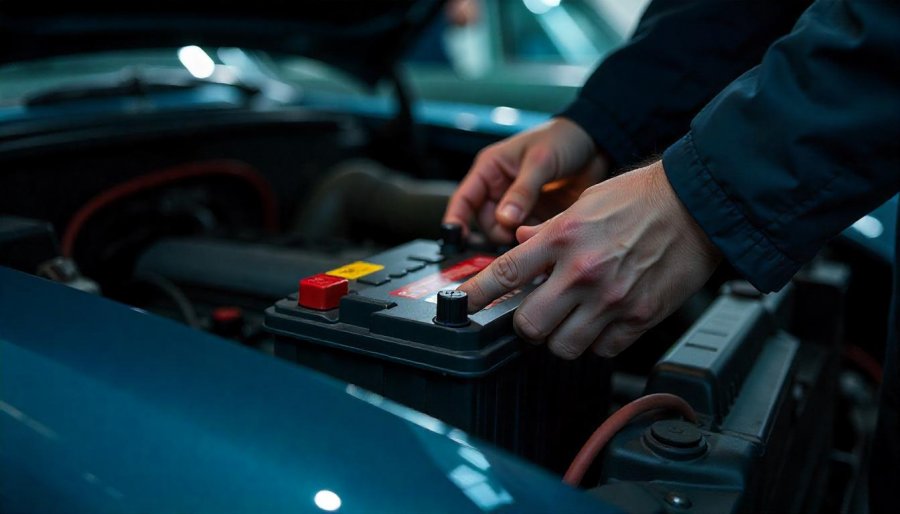
Simple Tips to Ensure Your Vehicle Starts Smoothly Every Time
Keeping your vehicle reliable doesn’t have to be complicated. The key lies in adopting simple, consistent habits that support your battery’s health and ensure your car starts smoothly every time. One of the easiest ways to do this is by regularly inspecting the battery terminals for signs of corrosion or dirt. Corrosion appears as a white or greenish crust on the metal parts and can seriously hinder the flow of electricity. When you spot buildup, a quick clean with baking soda and water, using a brush, can remove the deposits and restore a solid connection. Making this a routine habit prevents minor issues from escalating into starting failures or electrical glitches, saving you from unexpected breakdowns.
Ensuring the battery terminals are tight and secure is just as important as keeping them clean. Loose connections can cause intermittent power problems, making your vehicle harder to start or causing electronic components to behave unpredictably. A simple visual check or a gentle tug on the cables can reveal if they need tightening. When reconnecting, tighten the clamps enough for a firm grip but avoid overtightening, which can damage the terminals or the battery case. Properly secured terminals facilitate a steady electrical flow, reducing the risk of sudden failures, especially during cold weather or when your vehicle is under higher electrical load.
Testing your battery’s charge periodically adds an extra layer of protection. Using a basic voltmeter, you can quickly check its voltage and gauge its health. When the engine is off, a healthy battery should read around 12.6 volts. If the reading drops significantly lower, it’s a sign that the battery may be losing its ability to hold a full charge. This quick test takes just a few moments but provides valuable insight into your battery’s condition. Performing it every few months, especially before long trips or in colder seasons, helps you catch early signs of aging or drain issues before they lead to roadside problems.
Pay attention to the environment around your battery as well. Dirt, oil, and debris can create poor electrical contacts and accelerate corrosion, which compromises your starting power. Regularly wiping down the battery and nearby components with a damp cloth removes grime that could interfere with performance. It’s also crucial to check the battery case for cracks or leaks, since internal damage can cause acid leaks or internal failures that damage your vehicle’s electronics. Keeping the area tidy and intact not only ensures reliable power but also extends the lifespan of your battery, saving you money and stress over time.
Your driving habits have a direct impact on your battery’s longevity. Short trips and frequent stops prevent the battery from fully recharging, especially in colder weather, leading to a slow drain over time. Longer drives, however, help the alternator recharge the battery more thoroughly, maintaining its capacity. If you notice your vehicle struggles to start or your lights appear dimmer than usual, those are clear signs that your battery needs attention. Whenever possible, incorporate longer drives and avoid excessive short trips to give your battery the chance to stay fully charged and healthy.
In addition to regular inspections, keeping the battery terminals free of dirt and grime is essential. A clean terminal ensures a solid electrical connection, which is critical for reliable starting power. Wiping down the terminals with a damp cloth and a bit of baking soda solution helps neutralize acids and remove corrosion. This simple step can make a noticeable difference in your vehicle’s ability to start smoothly, especially in cold weather when power demands are higher. Making terminal cleaning part of your routine prevents minor issues from developing into larger, more costly problems down the line.
Finally, stay alert to your vehicle’s overall electrical performance. Dimming headlights, slow engine cranking, or electronic glitches often point to a failing battery or charging system. Addressing these signs promptly by testing and inspecting your battery can prevent unexpected breakdowns. Incorporating these small checks into your regular car care routine empowers you to keep your vehicle running smoothly, regardless of weather or usage. A little proactive effort goes a long way in ensuring worry-free driving and peace of mind on the road.