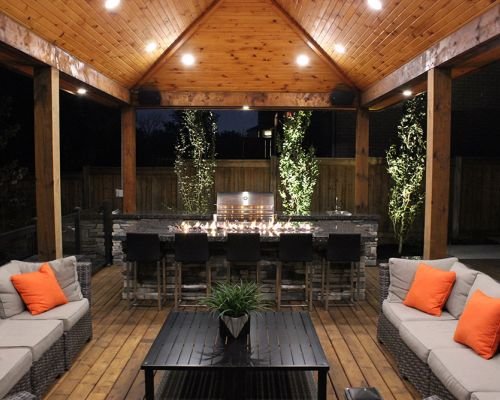
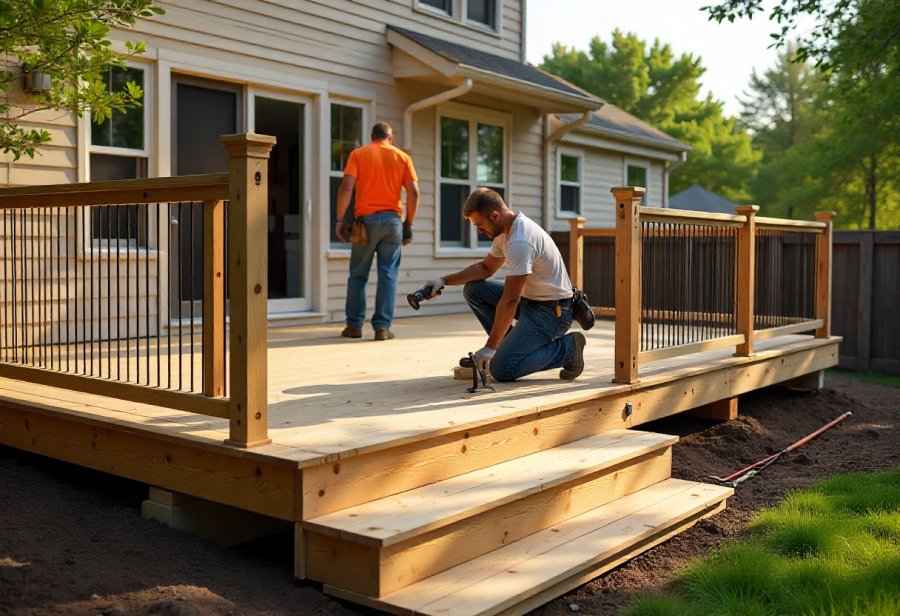
Transforming Toronto yards into stunning, sustainable retreats is both an art and a science—balancing beauty, resilience, and environmental responsibility. How can homeowners create outdoor spaces that thrive amid Toronto’s challenging seasons while supporting local ecosystems? This guide reveals that native plants, eco-friendly materials, and innovative water management strategies are key to a resilient landscape. Thoughtful design not only enhances curb appeal but also minimizes ongoing maintenance and resource use, turning ordinary yards into ecological sanctuaries. The process involves meticulous planning, site preparation, and installation, ensuring long-lasting beauty and functionality. Looking ahead, the future of yard design in Toronto is driven by advancements in technology, renewable materials, and climate-adaptive features, making outdoor spaces smarter and greener. Whether you seek an inviting garden, a wildlife haven, or a low-maintenance oasis, the secret lies in harmonious design that withstands climate extremes and enriches local biodiversity—transforming your yard into a personal and ecological masterpiece.
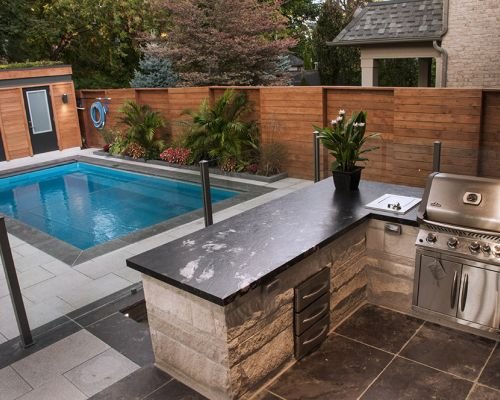
Transform Your Toronto Yard Into a Sustainable Sanctuary
Transforming yards in Toronto isn’t just about boosting curb appeal; it’s about creating outdoor spaces that are both beautiful and sustainable. As homeowners look for ways to enhance their properties, the focus shifts toward designs that support the city’s unique climate while reducing environmental impact. A thoughtfully planned yard can turn a simple patch of grass into a personal sanctuary—one that invites relaxation, supports local wildlife, and conserves resources.
Toronto’s four distinct seasons pose specific challenges. Cold winters and humid summers demand plant choices and materials that can withstand these extremes without constant upkeep. Native plants, naturally adapted to the local climate, emerge as the best option—they thrive with minimal water, fertilizers, and chemicals. This not only makes landscapes more resilient but also promotes a healthier environment and reduces ongoing maintenance costs.
Designing a Toronto yard also involves understanding the nuances of neighborhood spaces, often limited in size. Clever planning maximizes every square foot by incorporating features like rain gardens or permeable pathways that manage stormwater effectively. Addressing soil quality and drainage early ensures your landscape remains healthy and durable, preventing issues like erosion or water pooling that can threaten plant vitality.
Sustainability is at the heart of a successful yard transformation. Selecting eco-friendly materials, native plants, and water-saving techniques—such as drip irrigation or rainwater harvesting—creates a landscape that’s both beautiful and environmentally responsible. These choices support local ecosystems, reduce resource consumption, and lower maintenance efforts, making your outdoor space a true reflection of ecological stewardship.
A successful yard isn’t just about aesthetics; it’s about creating a balanced, functional environment. Defining zones for relaxing, entertaining, or gardening makes the space inviting and practical. Thoughtful placement of pathways, seating areas, and native plantings ensures your yard supports your lifestyle while contributing positively to Toronto’s ecological future.
Ultimately, transforming a yard in Toronto goes beyond visual appeal. It’s about building a resilient, eco-conscious outdoor environment that adds value to your home and enriches your life. With careful planning and the right choices, your yard can become a lasting sanctuary—one that stands up to climate challenges and supports the city’s ongoing green movement.
Building a Resilient Landscape: Foundations of Toronto Gardening
Creating a successful landscape in Toronto starts with understanding the city’s unique climate and environment. With four distinct seasons—cold, snowy winters and hot, humid summers—choosing plants and materials that can handle these extremes is essential. Native plants often stand out as the best option because they are naturally adapted, requiring less water, fertilizers, and chemicals. This not only makes the landscape more resilient but also supports local ecosystems, fostering a healthier environment with fewer ongoing maintenance needs.
Designing within Toronto’s varied neighborhoods adds another layer of complexity. Many homes are limited in space, so maximizing every square foot becomes a priority. Proper site assessment—considering soil quality, drainage, and sunlight exposure—sets the foundation for a sustainable yard. Addressing soil fertility and grading early prevents issues like erosion and water pooling, which can damage plants and compromise the landscape’s longevity.
Incorporating eco-friendly practices is fundamental to a resilient design. Selecting drought-tolerant native species reduces water use and chemical reliance, while using permeable materials like recycled pavers or natural stone for pathways helps manage stormwater runoff. These choices not only enhance visual appeal but also actively contribute to environmental health, making the yard more self-sufficient and less resource-intensive over time.
Balancing aesthetics with practicality ensures that your landscape isn’t just beautiful but functional. Thoughtfully designed zones for relaxation, entertaining, or gardening create a space that fits your lifestyle. Proper placement of pathways, seating areas, and native plantings improves flow and usability. Using natural or permeable surfaces supports water absorption and reduces runoff, aligning visual appeal with ecological responsibility.
Sustainable landscape design in Toronto also emphasizes adaptability. Features like rain gardens and soil amendments prepare your yard to withstand climate challenges, such as heavy rains or drought periods. Choosing durable, low-maintenance plants and materials minimizes ongoing effort and cost, helping your outdoor space stay vibrant and healthy through changing seasons.
By focusing on these core principles—climate-aware plant selection, smart planning, eco-friendly materials, and adaptable features—you lay a strong foundation for a yard that is both beautiful and sustainable. This approach ensures your outdoor space will thrive, support local biodiversity, and remain a cherished part of your home for years to come.
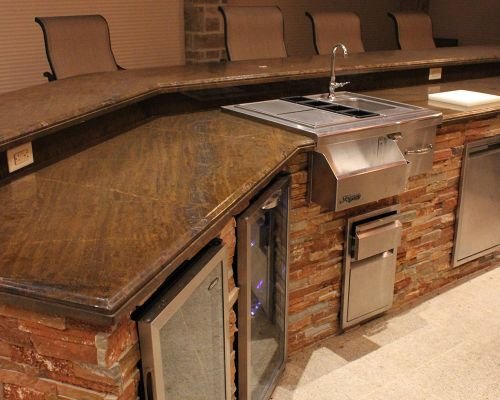
Innovative Strategies for Eco-Friendly and Stunning Outdoor Spaces
Creating a stunning, sustainable yard in Toronto means blending thoughtful design with eco-friendly practices that elevate both beauty and environmental responsibility. Native plants are at the heart of this approach—they’re naturally suited to our climate, thriving with less water and fewer chemicals, while supporting local pollinators and wildlife. Incorporating these resilient species ensures your landscape remains vibrant and low-maintenance, reducing the need for ongoing intervention.
Water management features play a crucial role in sustainable design. Rain gardens and permeable pavements not only add visual interest but also actively reduce stormwater runoff, helping prevent erosion and flooding. These elements work harmoniously with native plantings, creating a lush, functional ecosystem that manages water naturally and efficiently. Thoughtfully integrating these features transforms your yard into an ecological haven that benefits both your family and the environment.
Designing multi-functional spaces enhances both aesthetics and practicality. Combining cozy seating areas with native shrubbery or planting a small pond can turn your yard into a wildlife-friendly retreat. Solar-powered lighting adds ambiance for evening gatherings while minimizing energy use. When every element is purposefully chosen, your outdoor space becomes an inviting, environmentally conscious extension of your home.
Eco-friendly materials further support sustainability. Reclaimed wood, recycled bricks, and natural stone not only bring character and durability but also lower your carbon footprint. Using durable, native plants and resilient features means less replacement and maintenance over time. This approach ensures your yard remains beautiful, functional, and eco-conscious year after year, without demanding excessive effort or resource consumption.
Viewing your yard as a living system guides smarter choices. Native plants, water-saving features, and recycled materials combine to create a landscape capable of withstanding Toronto’s seasonal extremes. These strategies reduce ongoing care needs while supporting biodiversity, making your outdoor space a true reflection of ecological stewardship and responsible living.
Incorporating these advanced design strategies results in a yard that balances visual appeal with environmental responsibility. It’s about creating an outdoor space that not only looks beautiful but also actively contributes to local ecosystems and climate resilience. A thoughtfully designed, sustainable yard becomes more than just an aesthetic upgrade; it transforms into a personal sanctuary and a model for eco-conscious living that will thrive for years to come.
From Blueprint to Reality: Executing Your Yard Transformation Successfully
Turning a landscape design into a successful yard transformation requires careful planning and precise execution. It all begins with a clear vision of what you want—whether it’s a lush garden, a low-maintenance patio, or a versatile outdoor space. Having a detailed plan from the start keeps the project on track and ensures that every element supports your overall goals. Selecting native plants, eco-friendly materials, and sustainable features that align with this vision is key to creating a cohesive, long-lasting landscape.
Once your design is finalized, the next step is preparing the site properly. Clearing the area, grading the terrain for proper drainage, and making soil amendments set a strong foundation. Proper site preparation is crucial; overlooking drainage or soil issues can lead to water pooling, erosion, or plant health problems down the line. Taking the time to address these details upfront saves headaches later and guarantees your landscape’s durability and resilience.
With groundwork in place, installation begins. Working with contractors who understand both design intent and sustainable practices makes a noticeable difference. From laying out pathways to planting beds, every step should follow your plan closely. Regular site inspections during installation help catch potential issues early—misaligned features, improper plant placement, or overlooked details—so adjustments can be made before they become costly fixes. Clear communication with your team ensures the project reflects your expectations and quality standards.
Managing the project efficiently involves sticking to a timeline and budget. Setting clear milestones and holding regular check-ins keep everyone accountable. When unexpected issues—like plant shortages or soil challenges—arise, quick decisions and flexibility help prevent delays. Staying involved throughout the process, with regular walkthroughs and updates, allows you to provide feedback and make minor adjustments that enhance the final result. This collaborative approach ensures your yard feels personalized and well-crafted.
Once construction wraps up, the focus shifts to finishing touches and ongoing care. Providing detailed instructions on watering, pruning, and seasonal maintenance helps you keep your yard healthy and vibrant. Proper care extends the lifespan of your landscape features and plants, making your investment worthwhile. Establishing a routine maintenance plan, including regular inspections and resource-efficient watering, ensures your outdoor space remains beautiful and sustainable over time.
A well-executed transformation isn’t just a one-time effort; it’s a foundation for years of enjoyment. Consistent maintenance, along with mindful seasonal adjustments, keeps your yard thriving and looking its best. When every step is thoughtfully managed—from planning through ongoing care—you create a seamless, beautiful outdoor retreat that reflects your vision and supports environmental health. This careful process turns your yard into a resilient, inspiring space that endures and delights for many seasons to come.
Embracing the Future: Trends Shaping Toronto’s Eco-Conscious Yard Design
The future of yard design in Toronto is shaping up to be a blend of innovation and sustainability that responds to both environmental challenges and modern lifestyle needs. Advances in technology are making it easier to create outdoor spaces that are not only beautiful but also eco-friendly. Smart irrigation systems that adjust watering based on real-time weather and soil conditions are becoming standard, helping homeowners conserve water while keeping plants healthy. Solar-powered lighting adds ambiance after sunset without increasing energy use, turning outdoor areas into inviting retreats.
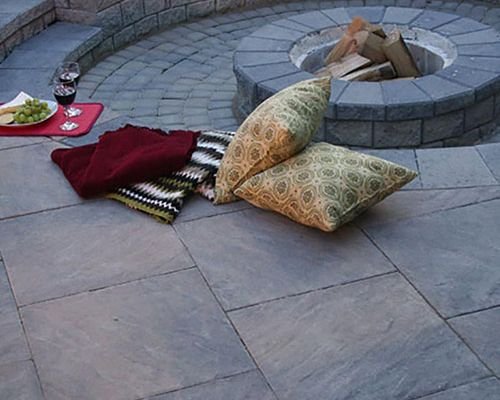
Designers are increasingly turning to recycled and sustainable materials for patios, pathways, and furniture. Reclaimed wood, permeable pavers, and natural stone are not just visually appealing—they significantly reduce the environmental impact of landscaping projects. As climate issues grow more urgent, yards will need to be resilient against heavy rains, droughts, and temperature fluctuations. Features like rain gardens and permeable surfaces will become essential tools for managing stormwater and maintaining landscape health, blending form with function seamlessly.
Technology is transforming the planning process as well. Drones and 3D modeling tools allow designers to create detailed plans and realistic previews, reducing errors and streamlining implementation. This digital edge helps clients visualize their outdoor spaces and ensures eco-friendly elements are integrated from the outset. Native plants will continue to be the cornerstone of sustainable landscapes, thriving with minimal intervention and supporting local pollinators and biodiversity.
Multifunctional outdoor environments are also on the rise. Gardens that attract wildlife, patios designed for entertaining, and ecological features like small ponds are becoming common. Renewable energy solutions, such as solar lighting and wind-powered features, enhance sustainability while boosting functionality. These elements turn yards into ecosystems that support biodiversity and offer a tranquil escape, all while reducing environmental impact.
Looking ahead, outdoor spaces in Toronto will be more interconnected with nature and built with climate resilience at their core. Every decision—from plant choices to material selection—will prioritize durability and ecological balance. This approach not only creates spaces that are visually stunning but also serve as models for responsible living. As homeowners and designers embrace these emerging trends, yards will become vital tools in building a greener, more sustainable city—spaces that will flourish for generations to come.