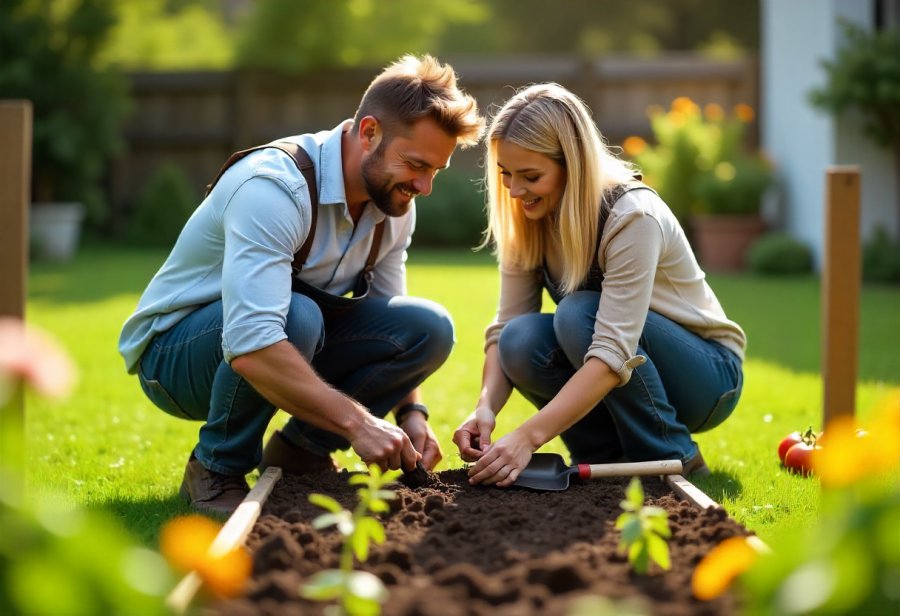
Transforming a Toronto yard into a stunning outdoor retreat is about more than aesthetics—it’s a delicate balance of beauty, sustainability, and personal satisfaction. How can homeowners create vibrant, eco-friendly spaces that withstand Toronto’s seasonal extremes? This guide reveals that native plants, durable materials, and water-efficient systems are vital for resilience, while thoughtful design fosters biodiversity and microclimates. By integrating sustainable practices like reclaimed wood and permeable pavers, landscapes become both visually captivating and environmentally responsible. The process involves detailed client collaboration, ensuring each space reflects individual needs—whether a tranquil garden or lively entertainment zone. Practical examples show how well-designed outdoor areas boost mental well-being, encourage outdoor living, and enhance daily life. But can aesthetic appeal coexist with ecological responsibility? When design and installation work seamlessly, homeowners gain a personal sanctuary that delights the senses and respects the environment—creating a lasting, meaningful outdoor retreat.
Transform Your Toronto Yard into a Personal Outdoor Sanctuary
Transforming a Toronto yard into an inviting outdoor retreat goes beyond simply adding plants or paving stones. It’s about crafting a space that feels natural, functional, and in harmony with the environment. The goal is to create an area where beauty and sustainability work hand in hand, offering homeowners a personal sanctuary that’s both eye-catching and eco-friendly. As outdoor living becomes an increasingly important part of city life, balancing these elements is essential for long-term satisfaction and practical use.
Toronto’s climate presents unique challenges and opportunities for landscape design. Winters can be harsh, with snow and freezing temperatures, while summers bring humidity and unpredictable weather. Selecting native plants and durable materials helps ensure the landscape withstands these seasonal extremes. Native species require less water and fewer chemicals, supporting local ecosystems and reducing ongoing maintenance. Meanwhile, resilient hardscaping can help manage stormwater and prevent issues like flooding or drought stress.
Aligning design choices with client preferences is crucial. Every homeowner has a vision—whether it’s a tranquil garden corner or a lively entertainment space. Listening carefully and communicating clearly from the outset helps translate these ideas into a tailored plan. This collaborative approach ensures that the final result reflects the homeowner’s lifestyle and aesthetic desires, making the outdoor space a true extension of their home.
Sustainable practices are no longer just a trend—they’re a necessity. Incorporating eco-friendly materials, like recycled stone or reclaimed wood, combined with native plantings and water-efficient irrigation systems, creates landscapes that are beautiful and responsible. These choices support local wildlife, conserve resources, and reduce long-term costs while maintaining a lush, vibrant appearance.
Designing with Toronto’s seasonal extremes in mind calls for thoughtful planning. Proper soil preparation, strategic placement of trees, and microclimate considerations help the landscape stay lively year-round. This careful approach not only enhances visual appeal but also minimizes the need for constant intervention, ensuring the space remains a functional retreat through every season.
Successfully transforming a yard into a stunning outdoor retreat hinges on a balanced mix of aesthetics, sustainability, and client satisfaction. It’s about building a space that enriches daily life—whether for quiet mornings, lively gatherings, or peaceful evenings—while respecting the environment and the city’s climate. When design and installation work seamlessly together, homeowners gain a beautiful, sustainable outdoor haven they can enjoy for years to come.
Foundational Principles and Trends Shaping Toronto’s Outdoor Transformations
Transforming outdoor spaces in Toronto requires a solid grasp of core design principles and environmental realities. It’s not just about making a yard look appealing; it’s about creating a balanced environment where beauty meets practicality and sustainability. Achieving harmony—whether through symmetrical planting arrangements or thoughtful asymmetry—guides the eye and makes the space feel cohesive. Functionality is equally vital, ensuring that the yard serves the homeowner’s specific needs, whether for entertaining, relaxing, or gardening, without compromising visual appeal.
Toronto’s climate significantly influences landscape choices. Winters can be severe, with snow, ice, and freezing temperatures, while summers often bring humidity and unpredictable weather patterns. Native plants are essential—they’re naturally adapted to these conditions, thriving with less water, fertilizers, and chemicals. This not only supports local ecosystems but also reduces ongoing maintenance and costs, building a resilient, eco-friendly landscape that remains vibrant year-round.
Current trends in Toronto’s landscape design reflect a growing emphasis on sustainability. Homeowners are increasingly opting for native plants, permeable paving, and recycled materials. These choices not only enhance aesthetic appeal but also help manage stormwater, reduce resource consumption, and lower environmental impact. Understanding local soil types and drainage patterns is key to selecting the right plants and hardscape materials, leading to landscapes that are durable and capable of withstanding seasonal extremes.
Clear communication with clients is fundamental to success. Each homeowner’s preferences, routines, and sustainability goals shape the final design. Taking time to understand these priorities from the outset ensures that the plan is tailored and aligns with their vision. Involving clients throughout the process minimizes surprises and fosters satisfaction, making the transformation both seamless and rewarding.
Incorporating sustainable practices is more than a trend—it’s a necessity for lasting beauty and functionality. Using eco-friendly materials like recycled stone, reclaimed wood, and permeable pavers, along with native plantings and water-efficient irrigation systems, creates landscapes that are easier to maintain and more environmentally responsible. Thoughtful planning around soil health, microclimates, and durable materials ensures that outdoor spaces remain vibrant and functional through Toronto’s seasonal shifts, enriching daily life while respecting the environment.
Harnessing Aesthetics and Sustainability to Create Harmonious Gardens
Balancing aesthetic appeal with environmental sustainability in landscape design is about creating spaces that are both beautiful and responsible. It’s not about choosing one over the other; instead, it’s about blending natural harmony with functional elements that support the local ecosystem. Native plants are central to this approach—they thrive in Toronto’s climate, requiring less water, fertilizers, and chemicals, which keeps maintenance manageable while supporting pollinators and wildlife.
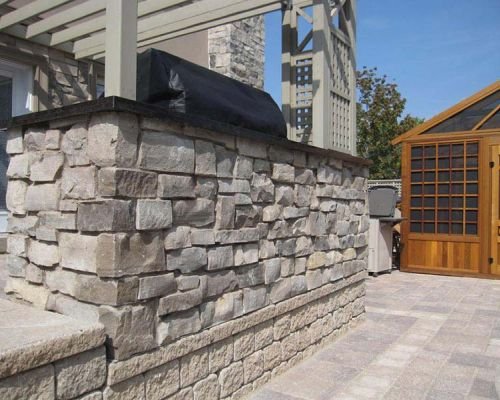
Using sustainable materials further enhances this balance. Recycled stone, reclaimed wood, and permeable pavers not only add visual interest but also reduce runoff and improve drainage. These choices turn practical features into design statements, ensuring the landscape feels intentional and connected to its environment. When every element works together seamlessly, the yard becomes a reflection of thoughtful stewardship and aesthetic clarity.
Water conservation is another key component. Installing drip irrigation, rain sensors, or rain gardens ensures plants get what they need without excess water use. These features can be discreetly integrated, maintaining the landscape’s visual flow. Adding water features like small ponds or waterfalls not only boosts visual appeal but also supports local wildlife and helps cool the environment naturally.
Layering different plant types creates depth and texture, fostering biodiversity. Tall native grasses combined with ground covers build a lively, dynamic environment that attracts insects, birds, and pollinators. This approach results in a landscape that is visually compelling and ecologically rich, encouraging a thriving natural habitat right outside the door.
Designing with Toronto’s seasonal extremes in mind means selecting resilient plants and durable materials that can withstand cold winters and humid summers. Proper soil preparation and strategic placement of trees and shade structures help microclimates within the yard flourish. This careful planning ensures the landscape remains vibrant and functional year-round with minimal intervention.
Recognizing microclimates within the space—areas of differing sun, wind, and moisture—guides thoughtful plant placement and hardscape choices. These nuances create a balanced environment that feels natural and cohesive, reducing the need for constant adjustments. When the landscape respects these subtle differences, it becomes more sustainable and easier to maintain over time.
Ultimately, creating a harmonious outdoor space requires integrating beauty with ecological responsibility. When design respects local conditions and employs sustainable practices, the result is a landscape that is resilient, inviting, and alive. This seamless blend of form and function transforms outdoor areas into genuine retreats—spaces that enhance daily life while supporting the environment for years to come.
Smart Budgeting and Cost Strategies for Outdoor Renovation Success
When planning a backyard transformation in Toronto, understanding the financial landscape is crucial. Starting with a clear budget sets realistic expectations and helps prioritize where to allocate funds. Knowing how much can be spent on hardscaping, plantings, features, and lighting ensures the project stays aligned with your overall vision without overspending. It’s wise to also factor in ongoing costs such as maintenance, replacements, and seasonal updates, so long-term expenses don’t catch you off guard.
Design costs often represent a significant portion of the budget. Working with a landscape professional might involve an initial fee, but their expertise can save money by preventing costly mistakes down the line. A detailed plan ensures every element—from materials to layout—is optimized for durability and visual impact. When choosing materials, investing in high-quality options like natural stone or treated wood might seem more expensive upfront, but they tend to last longer and require less upkeep, offering better value over time.
Material choices influence budget flexibility. Natural stone, for example, provides timeless durability but can be costly, while recycled or reclaimed materials like pavers and wood can be more affordable and eco-friendly. Incorporating multi-functional features, such as seating with built-in storage, helps maximize utility and style without stretching your funds. This approach ensures you get more bang for your buck, creating a versatile space that’s both beautiful and practical.
Installation costs are another key consideration. The complexity of your project—adding water features, outdoor kitchens, or extensive plantings—can impact labor charges significantly. Proper site prep, drainage, and grading are often overlooked but essential for long-term performance. Getting multiple quotes from experienced professionals allows you to compare options and choose trusted contractors who deliver quality work at competitive prices, ensuring your investment pays off.
Choosing sustainable, low-maintenance elements from the outset offers long-term savings. Native plants and eco-friendly materials like permeable pavers or reclaimed wood require less water, fertilizers, and chemical treatments, reducing ongoing expenses. Installing efficient irrigation systems such as drip lines or rain sensors further cuts resource use and maintenance costs. These choices not only make your landscape more eco-conscious but also ensure it stays vibrant and manageable with less effort, maximizing value over the years.
Real-World Impact: How Thoughtful Outdoor Spaces Elevate Daily Life
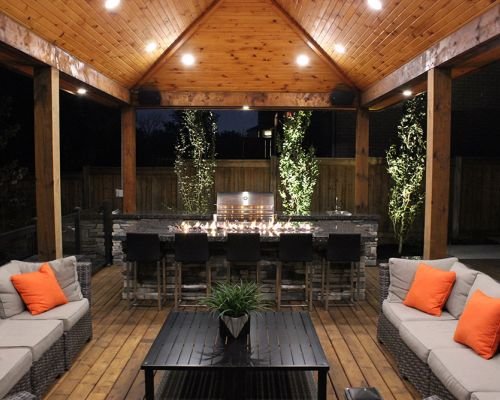
A beautifully designed outdoor retreat can truly transform everyday living, turning a simple backyard into a personal sanctuary. When homeowners invest in thoughtful features—like cozy seating nooks, native plant gardens, or functional outdoor kitchens—they find themselves spending more time outside, enjoying fresh air and natural beauty. These spaces become the backdrop for everything from morning coffees to weekend gatherings, seamlessly blending practicality with relaxation.
A well-planned outdoor area also has a positive impact on mental well-being. Imagine waking up to a lush garden that offers peace and inspiration, or winding down after a busy day in a shaded corner with soft lighting and comfortable seating. Such spaces encourage outdoor activity, reduce stress, and foster a sense of calm—making daily routines more enjoyable and restorative.
Many Toronto residents have already seen how a carefully crafted landscape enhances their quality of life. One family transformed their tiny, overlooked backyard into a vibrant, low-maintenance oasis by focusing on native plants and eco-friendly features. Now, they enjoy family dinners outside, morning yoga amidst greenery, and evenings around the fire pit. Their outdoor space has become a true extension of their home, enriching their daily experiences without demanding constant upkeep.
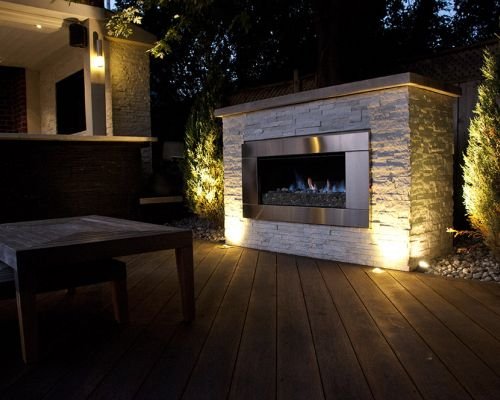
Good outdoor design isn’t just about aesthetics; it’s about creating versatile spaces that suit different needs and occasions. A small fire pit can turn a basic patio into a cozy gathering spot, while layered lighting extends usability into the evening. Incorporating elements like water features or shaded seating areas adds ambiance and functionality, encouraging more outdoor time and deeper connections with nature.
When these features are thoughtfully integrated, they encourage homeowners to spend more time outside, soaking up sunlight and enjoying the fresh air. This simple shift can boost mood, improve health, and foster stronger bonds with family and friends. A well-designed outdoor retreat becomes more than just a pretty picture—it becomes a vital part of everyday life.
Stories from local homeowners highlight how well-designed outdoor spaces add genuine value and joy. One family installed a rain garden and reclaimed materials, creating a lush environment that supports local pollinators and reduces water use. Now, their yard is a favorite spot for outdoor dinners and weekend relaxation, demonstrating that sustainable design can be both beautiful and practical.
In the end, a thoughtfully crafted outdoor retreat isn’t just about enhancing your home’s curb appeal; it’s about enriching your daily life. It’s an invitation to slow down, connect with nature, and enjoy the simple pleasures of outdoor living. With the right balance of beauty, sustainability, and personal touch, your yard can become a true sanctuary—one that brings happiness and harmony for years to come.