Imagine a communication network as adaptable as your business itself—are your current systems holding you back from true efficiency? Grandstream’s innovative telephony solutions promise to transform your connectivity, offering tailored devices that effortlessly scale and integrate. With the sleek, feature-rich GRP series IP phones and centralized cloud management via GDMS, organizations can deploy, monitor, and customize with ease, even across multiple locations. But how do you ensure these powerful tools align perfectly with your operations? The answer lies in strategic implementation: assessing your needs, choosing the right devices, configuring role-based profiles, and optimizing network settings for crystal-clear calls. The challenge is balancing flexibility with reliability—can your network adapt quickly enough to support growth and changing workflows? This deep dive reveals how personalized telephony isn’t just a hardware upgrade but a strategic move towards smarter, more responsive communication that keeps your organization agile and competitive. Are you ready to unlock this potential?
Revolutionize Your Communication: The Power of Customizable Telephony Solutions
In today’s fast-paced business landscape, communication goes beyond simple phone calls. It’s about creating seamless, efficient interactions that support growth, foster collaboration, and adapt quickly to changing needs. Traditional phone systems often struggle to keep up with these demands, offering limited flexibility and slow deployment options. That’s where customizable telephony solutions make a real difference, transforming the way organizations connect internally and with their clients.
Personalized communication systems allow businesses to tailor their phone setups to match specific workflows, roles, and user preferences. Instead of a generic, one-size-fits-all approach, these solutions enable companies to design call routing, feature access, and user interfaces that align perfectly with their operational needs. Whether prioritizing high-value clients, supporting remote teams, or integrating with existing software, customization ensures communication channels work smarter and more efficiently.
The impact extends well beyond convenience. When communication systems are tailored to fit operational requirements, productivity naturally increases. Call flows can be optimized so that important clients are connected immediately, reducing wait times and missed opportunities. Employees benefit from quick access to frequently used features, such as call transfers or conference calls, through simple, dedicated buttons. These small improvements reduce frustration, speed up workflows, and free up time for more strategic tasks.
Customizable telephony isn’t just about immediate efficiency; it also provides strategic value by supporting scalability. As your business grows or shifts focus, your communication needs evolve. Systems designed with flexibility in mind can be adjusted quickly—adding new lines, integrating with customer relationship management (CRM) platforms, or deploying new features—without a complete overhaul. This adaptability keeps your organization agile, saving costs and minimizing downtime as you expand or change direction.
Cloud management plays a vital role in enabling these flexible systems. Centralized platforms allow administrators to configure, update, and troubleshoot devices remotely, even across multiple locations. This simplifies deployment and ongoing management, ensuring consistent performance and security. As remote and hybrid work models become the norm, cloud-based solutions make it easier than ever to maintain personalized, reliable communication channels regardless of where your team is working from.
Investing in customizable telephony solutions also emphasizes user-centric design. With features like role-based profiles, employees see only the tools and options relevant to their jobs, reducing confusion and onboarding time. For example, receptionists can have quick access to call transfer and paging functions, while remote staff can rely on presence indicators and call forwarding. These personalized interfaces enhance user experience and promote smoother daily operations.
Ultimately, adopting customizable telephony solutions is about more than upgrading hardware or software. It reflects a strategic mindset that values flexibility, efficiency, and growth. By designing communication systems that adapt to your operational demands, you foster stronger relationships, improve response times, and stay competitive in a rapidly changing environment. These tailored systems lay the groundwork for a connected, responsive network that evolves seamlessly with your business.

Unleashing Flexibility: Grandstream Devices and Their Tailored Support
Grandstream’s range of telephony devices is designed to empower organizations with flexible, scalable, and highly customizable communication solutions. Their devices are more than just tools for making calls—they are the foundation for building tailored networks that adapt seamlessly to unique business needs. Whether deploying a few phones for a small team or rolling out hundreds across multiple locations, Grandstream’s offerings support effortless integration and centralized management, making large-scale deployment straightforward and efficient.
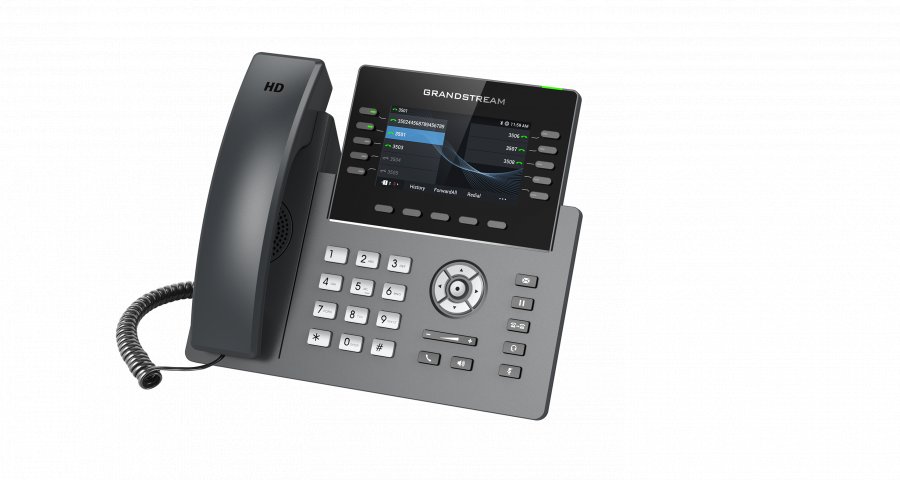
The flagship GRP series of IP phones exemplifies this balance of form and function. These phones combine sleek, modern designs with enterprise-grade features, such as high-definition audio, multiple lines, and programmable keys. They’re built to withstand busy environments like reception areas, conference rooms, or remote work setups, providing a robust platform for customization. The compatibility with cloud management platforms means administrators can configure, monitor, and update these devices remotely, reducing the need for on-site visits and ensuring uniform settings across all devices.
What truly sets Grandstream devices apart is their deep support for personalization. Many models include programmable keys that users can assign to functions like speed dial, call transfer, or even custom soft keys. Role-based profiles enable organizations to create tailored user experiences, ensuring each employee has quick access to the tools they need most. For example, receptionists can have dedicated buttons for transferring calls or paging, while remote workers benefit from presence indicators and call forwarding options. This level of customization streamlines workflows and minimizes confusion, helping staff operate more efficiently.
Beyond individual features, Grandstream excels at integrating with other business systems. Devices connect smoothly with popular CRM platforms, enabling click-to-dial, automatic call logging, or screen pops with customer data. These integrations reduce manual input, accelerate response times, and help staff deliver better service. Their support for SIP-based systems guarantees compatibility with most VoIP solutions, giving organizations the confidence to upgrade or expand without compatibility concerns. This interoperability simplifies the transition to more advanced, personalized communication channels.
Cloud management remains a core element of Grandstream’s approach. The GDMS platform offers centralized control over device configurations, firmware updates, and troubleshooting. With automated provisioning, new devices can be added and configured with just a few clicks, saving time and reducing errors. This remote management capability is especially valuable for organizations with distributed networks, enabling quick scaling and ensuring consistent performance across all locations. It also allows for swift updates to adapt to changing operational requirements without disrupting daily activities.
Scalability is a key advantage of Grandstream’s device ecosystem. From small offices to sprawling enterprise networks, the same principles of easy deployment and management apply. Automated provisioning tools and role-based settings allow organizations to grow their communication infrastructure without added complexity or resource drain. As new teams or locations come online, administrators can quickly assign roles, customize features, and integrate devices into existing workflows—making expansion both smooth and cost-effective.
Network optimization features embedded in Grandstream devices ensure reliable, high-quality communication. Support for Quality of Service (QoS) settings prioritizes voice traffic, minimizing latency and jitter even during peak usage. When paired with managed switches and routers, these devices deliver clear, professional audio across all calls. Firmware updates from Grandstream include performance improvements and security patches, maintaining system stability and safeguarding sensitive communications. Segmenting voice traffic from other network data further enhances overall network health and call quality.
In essence, Grandstream’s telephony devices are built with customization and scalability at their core. They support organizations in creating communication systems that are tailored to current needs and adaptable for future growth. Whether through role-specific configurations, seamless integrations, or remote management tools, these devices make deploying and maintaining personalized telephony straightforward and effective. As businesses seek smarter, more responsive communication infrastructure, Grandstream provides the tools to turn networks into flexible, reliable assets that support long-term success.

Seamless Integration: Mastering Custom Telephony Deployment for Optimal Performance
Implementing custom telephony solutions with Grandstream starts with a clear understanding of your current network environment and specific business needs. Begin by assessing your existing setup—consider call volume, user count, and daily communication workflows. Identifying pain points, such as call quality issues or inefficient routing, helps you select the most suitable devices and features. This initial step ensures your investment directly addresses operational gaps and supports future growth.
Once you have a clear picture, choose the right hardware—whether IP phones, gateways, or conferencing systems—that aligns with your operational requirements. Matching the right devices to your workflows maximizes efficiency and user satisfaction. Leveraging Grandstream’s cloud management platform, GDMS, simplifies deployment and ongoing management. It allows you to configure, monitor, and update devices remotely across multiple locations, saving time and reducing the need for on-site technical support.
Device deployment should be streamlined using automated provisioning tools. With just a few clicks, you can set up large numbers of phones, assign extensions, and establish call routing rules. Role-based profiles enable tailored user experiences—front desk staff can have quick access to transfer and paging functions, while remote workers can benefit from presence indicators and flexible call forwarding. This customization minimizes confusion, speeds up onboarding, and enhances daily operations.
Optimizing your network environment is equally crucial for reliable communication. Prioritize voice traffic through Quality of Service (QoS) settings on your network hardware, creating dedicated VLANs for voice data. This segregation reduces latency and jitter, ensuring high-quality, uninterrupted calls even during busy periods. Regular firmware updates from Grandstream improve performance and security while maintaining system stability, allowing your network to adapt to evolving demands.
Fine-tuning device configurations further enhances user experience. Assign programmable keys for frequently used functions such as speed dial, call transfer, or conference initiation. Develop role-specific profiles that adapt device interfaces and feature access, ensuring each team member has quick, intuitive control over their communication tools. These small adjustments significantly reduce user frustration and streamline daily workflows.
Before rolling out your system organization-wide, conduct thorough testing across various scenarios. Internal and external calls, remote access, and emergency procedures should all be verified to ensure seamless operation. Gather feedback from users to identify usability issues or technical glitches, then refine call routing, device settings, or network configurations accordingly. A well-tested setup minimizes disruptions and builds confidence in the new system.
Training your staff effectively is key to maximizing the benefits of your new telephony infrastructure. Provide clear, straightforward guides and hands-on sessions that cover essential features like call transfers, voicemail management, and presence indicators. Encourage feedback during training to identify practical challenges and adapt your support materials. Continuous education and support help staff become comfortable with the tools, improving overall adoption and satisfaction.
Once your system is live, establish ongoing monitoring routines using GDMS. Regularly check device health, call quality, and usage patterns to proactively address issues before they escalate. Keep firmware updated and review network performance to maintain optimal reliability. As your organization grows or shifts priorities, revisit your configurations, add new devices, and adjust features to keep your communication network aligned with your evolving needs. This proactive approach ensures your personalized telephony system remains a scalable, dependable backbone for your operations.