What if true leadership isn’t measured by external victories or conquest, but by inner discipline and moral resilience? Marcus Aurelius exemplifies this paradox, governing an empire with calm, wisdom, and unwavering virtue amidst wars, plagues, and political turmoil. This exploration reveals that genuine strength lies within—cultivated through daily reflection, mindfulness, and steadfast adherence to virtue—rather than fleeting external successes. Stoic philosophy provides a practical blueprint for developing resilience, controlling impulses, and embracing acceptance amid chaos. By prioritizing inner virtues over superficial gains, leaders forge a lasting legacy rooted in humility, patience, and moral clarity. Marcus’s life challenges us to rethink what it means to be powerful and suggests that the most enduring influence comes from governing oneself first. Could the true empire of a ruler be built not on territory, but on character and inner strength that withstands the test of time?
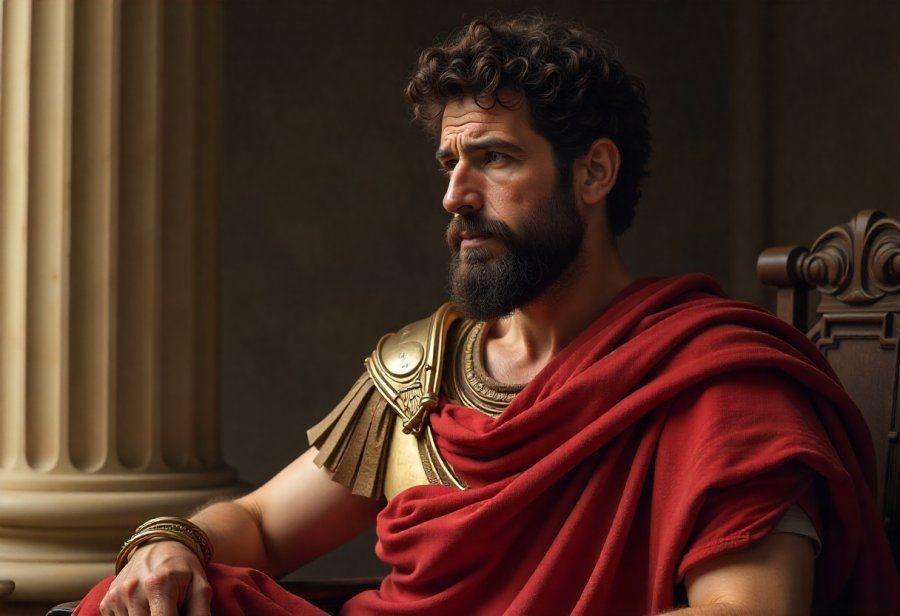
Inner Discipline Over External Conquest: The True Foundation of Leadership
Leadership has long been associated with outward displays of power—victories in battle, territorial expansion, or commanding armies. These visible signs of strength often shape our perception of what makes a leader formidable, inspiring admiration or fear based on external achievements. But beneath these surface successes lies a deeper question: is true leadership about what’s visible, or does genuine strength come from within? Increasingly, thinkers and historians point to inner discipline as the real foundation of lasting influence. It’s about cultivating resilience, moral clarity, and self-control—qualities that remain steady even when external circumstances shift.
This shift in perspective invites us to look inward, to consider what truly makes someone influential over the long term. External victories can be fleeting, often dependent on luck, circumstances, or the support of others. Inner discipline, however, is a trait a leader can develop regardless of external conditions. It’s a steady, internal force that guides decisions with calm and integrity, even amid chaos. Leaders who master themselves—through resilience and moral virtue—build a foundation resilient enough to withstand personal flaws, impulsiveness, or lapses that could undermine authority.
Throughout history, many of the most respected figures have prioritized inner strength over outward conquest. Marcus Aurelius stands out as a prime example: a Roman emperor who governed with wisdom rooted in Stoic principles, even as external threats loomed. His writings in *Meditations* reveal a leader committed to self-mastery, constantly working to govern impulses and uphold virtue. Unlike those who sought power through conquest, Marcus understood that true influence stems from inner discipline—an unwavering moral compass that sustains a leader’s authority through turbulent times.
Inner discipline also fosters qualities essential for authentic leadership—patience, humility, resilience, and self-control. These traits enable a leader to stay grounded in difficult moments, make thoughtful decisions rather than reactive ones, and inspire trust. It’s not about suppressing emotion but about channeling strength inwardly, setting an example others can follow. Leaders who govern themselves with discipline create a ripple effect, encouraging stability and moral purpose in those around them.
As we explore further, we’ll see how Marcus Aurelius’s life exemplifies this inner strength. His ability to face external chaos with calm reflection and moral integrity shows that leadership rooted in inner discipline endures far longer than any external conquest. This idea challenges us to rethink what it means to be truly powerful—shifting focus from external achievements to the cultivation of inner virtues that stand the test of time.
Marcus Aurelius’s Life: A Testament to Inner Virtue Amidst Chaos
Marcus Aurelius’s life offers a compelling example of a leader who prioritized inner virtues despite facing relentless external pressures. Born in 121 AD into a wealthy Roman family, he received an education deeply rooted in philosophy, rhetoric, and literature. From a young age, he showed a keen interest in living a virtuous life, guided by principles of self-control and moral integrity. These early influences laid the groundwork for his later leadership style, which was deeply influenced by Stoic philosophy and a commitment to personal discipline.
Ascending to the throne in 161 AD, Marcus faced a tumultuous reign marked by military conflicts, devastating plagues, and political unrest. Despite these chaos-filled circumstances, he remained dedicated to his philosophical pursuits, often turning to reflection and writing to stay centered. His personal writings, known as *Meditations*, reveal a leader constantly striving for inner mastery and moral clarity, even amid overwhelming external challenges. These reflections highlight a life dedicated to self-improvement and moral discipline.
His upbringing played a vital role in shaping his character. Influenced by tutors and mentors who introduced him to Stoic thinkers like Epictetus and Seneca, Marcus internalized virtues such as resilience, humility, and self-control. These lessons became guiding principles, helping him maintain composure during crises and make morally grounded decisions. His education emphasized that true strength comes from within, an insight that stayed with him throughout his reign.
Throughout his rule, Marcus faced relentless external threats—wars along the frontiers, political betrayals, and outbreaks of plague that threatened the stability of Rome. Yet, he remained calm and reflective, demonstrating that real leadership is rooted in inner resilience rather than external dominance. His ability to govern with moral integrity amidst chaos exemplifies how internal discipline can serve as a steady anchor in turbulent times.
The *Meditations* serve as a window into his inner world—a continuous effort to govern impulses, accept hardship, and act with virtue. Written during military campaigns and moments of solitude, they reveal a leader committed to cultivating resilience and wisdom. Marcus understood that external circumstances could be unpredictable, but inner strength was a constant that could be cultivated through discipline and reflection.
His example shifted the perception of leadership from external displays of power to qualities like humility, patience, and moral clarity. Marcus’s life underscores that genuine authority stems from self-mastery and inner discipline. His legacy endures because he exemplified that true strength lies in governing oneself first—an influence that lasts far beyond fleeting victories or external accomplishments.
Today, Marcus Aurelius’s life continues to inspire leaders and thinkers alike. His unwavering focus on inner virtues shows us that the most enduring form of leadership is rooted in character. His example reminds us that cultivating resilience, humility, and moral clarity isn’t just a personal pursuit—it’s the foundation of authentic, lasting influence. His life remains a testament to the power of inner discipline as the true empire of a wise ruler.
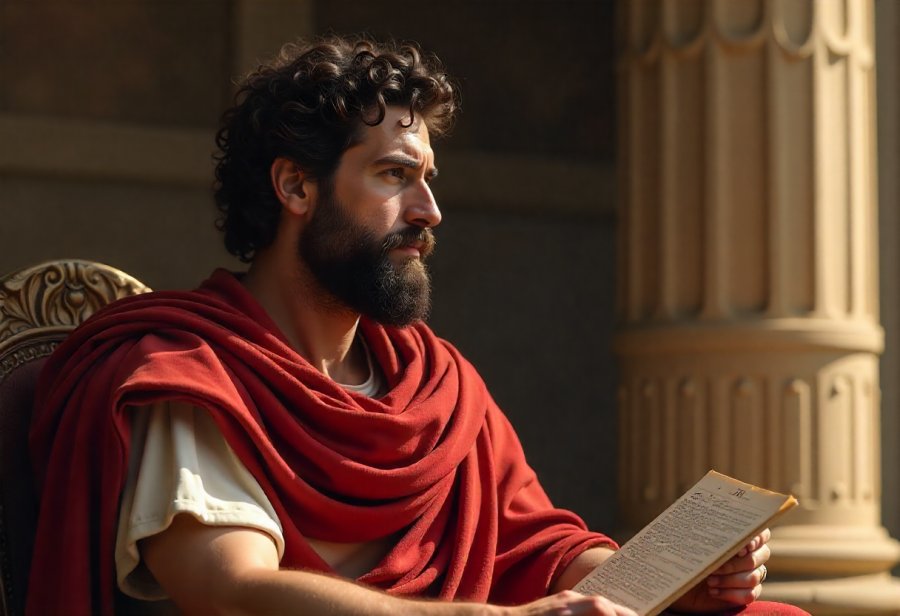
Stoic Principles of Resilience: Cultivating Mental Fortitude in Leadership
Stoic philosophy offers a clear and practical framework for cultivating inner resilience and mental fortitude—key qualities for leadership rooted in inner discipline. At its heart, Stoicism teaches that external events are outside our control, but our reactions to them are within our power. This shift in focus creates a stable foundation, allowing leaders to see difficulties not as threats but as opportunities for growth. By embracing this mindset, they develop emotional durability that withstands chaos, setbacks, and external pressures.
A central element of Stoic resilience is mastering impulses and emotions. Instead of reacting impulsively to stress or provocation, Stoics recommend pausing—taking a moment to assess before responding. This isn’t about suppressing feelings but about channeling them wisely. Practicing deliberate control makes leaders less reactive, more thoughtful, and better equipped to make decisions based on reason and virtue. Over time, this internal discipline becomes a steady anchor, especially when external circumstances threaten to overwhelm.
Acceptance plays a vital role in building resilience. Stoics believe resisting reality only fuels frustration and anxiety. Instead, they promote accepting what cannot be changed, fostering clarity and peace. Leaders who internalize this truth shift their focus inward, emphasizing their virtues and actions rather than trying to control every external outcome. This mindset nurtures calmness during crises, adaptability amid adversity, and confidence in others—showing that true strength often lies in mental endurance, not external dominance.
Wisdom, in Stoic terms, revolves around understanding what truly matters—virtue, integrity, and moral purpose. Leaders who prioritize these long-term principles over fleeting gains develop a resilient mindset. They see setbacks as integral parts of their journey and recognize that inner discipline sustains their moral compass, even when external rewards are scarce. This perspective creates a mental resilience that keeps their actions consistent and trustworthy, making their influence more enduring.
Practicing daily reflection, mindfulness, and journaling reinforces these Stoic ideals. Regular self-review encourages honest assessment of actions and motivations, helping leaders identify impulsive tendencies before they influence decisions. Mindfulness trains the mind to observe impulses without immediately acting on them, fostering emotional regulation. These habits gradually turn resilience into a natural part of leadership, enabling responses infused with clarity and moral purpose, even amid turbulence.
Practicing Inner Discipline: Habits that Shape Authentic Leadership
Inner discipline reveals itself most powerfully through daily habits that keep a leader grounded and morally consistent. One of the most effective is regular reflection—taking a few moments each day to review decisions, motivations, and actions. This practice nurtures self-awareness, making it easier to spot impulsive tendencies or biases before they influence choices. Over time, consistent reflection strengthens mental resilience, enabling leaders to stay clear-headed and true to their principles, even under pressure.
Mindfulness and meditation are equally vital. By creating space between stimulus and response, these practices help leaders pause amid chaos, observe their impulses without immediately acting on them. This moment of awareness fosters emotional regulation and clarity, allowing for more deliberate, values-driven responses. As these habits become ingrained, they transform inner discipline from a concept into a natural part of leadership, empowering leaders to handle crises with calm and purpose.
Setting firm moral boundaries is another cornerstone. Leaders who clarify and commit to their core principles develop trust and consistency. When faced with tough decisions or temptations, a strong moral compass guides their actions, even when shortcuts or ego-driven choices seem tempting. Aligning behavior with core values consistently reinforces internal discipline, shaping a reputation rooted in integrity. This ongoing vigilance nurtures a leadership style built on authenticity rather than expedience.
Resisting superficial gains and external validation plays a crucial role. Leaders who focus on long-term virtues rather than fleeting ego boosts cultivate humility and patience. They turn down opportunities that might compromise their principles for immediate recognition, understanding that genuine influence grows from steady, quiet effort. This restraint signals a deep commitment to authentic leadership, reinforcing the moral strength that sustains lasting impact.
Continuous learning—through philosophical study or moral reflection—sharpens moral clarity and resilience. Leaders who revisit Stoic texts, moral stories, or personal values deepen their understanding of virtue. This ongoing nourishment keeps their inner compass steady, reminding them that real strength comes from within. By embedding reflection, mindfulness, moral boundaries, humility, and learning into daily routines, leaders forge a robust foundation. This transforms inner discipline from an abstract idea into a lived, persistent practice that guides actions and decisions, even amidst chaos.
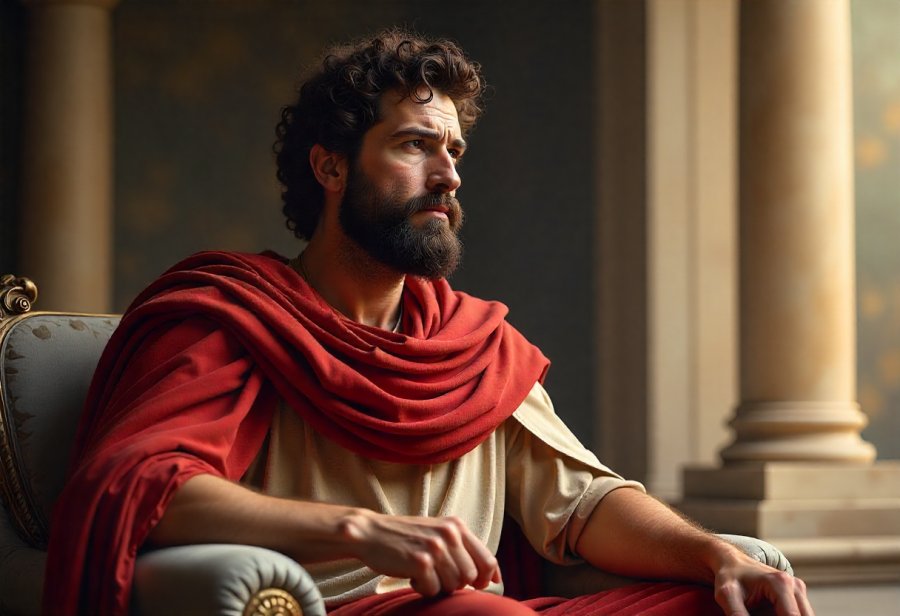
The Lasting Power of Inner Strength: Redefining Leadership Through Virtue
True leadership isn’t about the victories on the battlefield or the territories gained; it’s about the strength cultivated within. Marcus Aurelius exemplified this idea, showing us that real influence stems from inner discipline—resilience, self-control, and moral clarity—that stand firm through life’s turbulence. His example reminds us that lasting power is rooted in governing ourselves first, maintaining integrity amid chaos, and remaining committed to virtue in every moment.
External accomplishments can be fleeting. They can be lost, overshadowed, or taken away in an instant. Inner strength, built on a foundation of moral virtues and mental resilience, provides a steady anchor that no external force can shake. It empowers leaders to stay calm, make thoughtful decisions, and inspire genuine trust, even when circumstances are unpredictable or challenging. When leadership is rooted in inner discipline, it becomes less vulnerable to personal flaws or external pressures.
Marcus’s life demonstrates that wisdom and virtue are the true marks of power. His writings in *Meditations* reveal a leader who prioritized self-mastery above all else. During wars, plagues, and political upheavals, he remained committed to acting with humility, patience, and clarity. His strength wasn’t just military or political; it was the ongoing effort to govern impulses and uphold moral principles that created a legacy far beyond fleeting victories.
This perspective challenges the common notion that leadership is primarily about external success. Instead, it points us toward qualities like resilience, humility, and moral integrity as the real currency of influence. Leaders who cultivate these virtues build a legacy rooted in trust and respect—one that endures beyond the ups and downs of external achievements.
Developing inner discipline isn’t about perfection or suppressing emotion; it’s about consistent effort. Daily reflection, mindfulness, and sticking to core values turn virtues into habits—habits that guide decisions and actions even in chaos. These practices strengthen mental resilience, enabling leaders to respond with clarity, purpose, and moral strength in moments of crisis.
When leaders govern themselves with discipline, they create a ripple effect that inspires others. They lead by example, demonstrating that true power resides in character and moral conviction. This inner strength acts as a shield against ego, temptation, and external chaos, making leadership authentic, sustainable, and impactful.
Embracing this inner power transforms leadership from a transient role into a lasting legacy. It’s the kind of influence that survives upheavals, crises, and the passage of time. Marcus Aurelius’s life shows us that the greatest empire a leader can build is one of virtue and character—an empire no enemy can conquer and no challenge can destroy.
By cultivating resilience, humility, and moral clarity daily, leaders forge a foundation that endures. This inner discipline becomes an unshakeable force, guiding actions and decisions regardless of external circumstances. In doing so, they create a leadership that is not just effective but truly enduring—rooted in the timeless qualities of wisdom and moral resilience.