Underground street racing is more than just a pursuit of speed; it’s a powerful culture rooted in loyalty, brotherhood, and self-expression. These clandestine races, held in secret locations under neon lights and night skies, forge bonds that transcend asphalt, creating a tight-knit family committed to mutual support and shared risk. The scene is built on unspoken codes—trust, respect, and loyalty—that turn fleeting moments of adrenaline into lifelong connections. But as societal scrutiny and legal crackdowns intensify, questions arise: can this high-octane brotherhood endure? From its rebellious origins to modern efforts for safer, organized events, underground racing remains a testament to the human desire for connection through passion for cars and community. Its resilience lies in the enduring bonds of brotherhood, a culture that balances danger with unwavering loyalty, promising that even in shadow, this vibrant scene will continue to thrive.
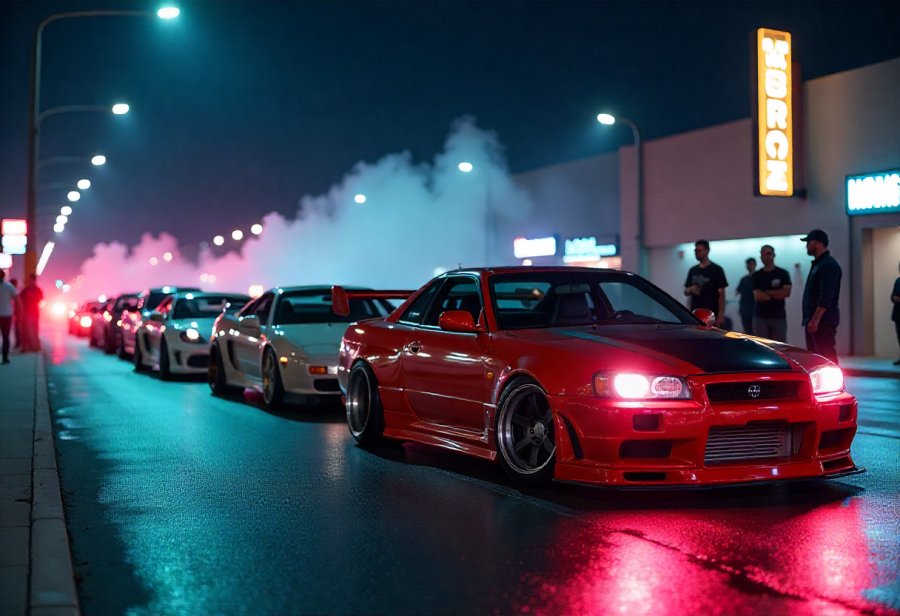
Underground Street Racing: A Culture of Loyalty and Self-Expression
Underground street racing isn’t just about the thrill of hitting top speeds; it’s a vivid expression of culture and community that runs deep beneath urban landscapes. These secret races, often held late at night on empty streets or deserted parking lots, are more than just competitions—they’re rituals of loyalty, skill, and identity. For those involved, it’s about carving out a space where their talents and cars speak louder than words, forging bonds that go beyond the asphalt.
What makes this scene so compelling is the sense of brotherhood that grows from shared risks and mutual trust. Racers rely on each other not only for technical advice or car tuning tips but for emotional support during risky night runs. These unspoken codes of respect and loyalty create a tight-knit family, where acts of support and protection deepen connections and turn fleeting races into lifelong friendships.
At its core, underground racing reflects a broader desire for freedom and self-expression. Modified cars—whether sleek tuners, muscle cars, or custom paint jobs—serve as extensions of individual identity. Many see their vehicles as symbols of rebellion, crafted to stand out and push boundaries. The scene’s culture celebrates creativity and defiance, turning speed and style into statements of personal and collective pride.
Beneath the adrenaline and danger lies a community built on trust and shared values. It’s a place where loyalty isn’t just about winning but about standing by each other through challenges, police crackdowns, or setbacks. The bonds formed during late-night races, tuning sessions, or defending each other’s reputation become the foundation of a resilient, enduring family.
Despite ongoing legal risks and societal scrutiny, underground street racing persists because it fulfills a fundamental human need: connection through shared passion. It’s a space where acts of loyalty and acts of speed intertwine, forging relationships that often last a lifetime. This resilience keeps the scene alive, constantly evolving while rooted in its core principles of brotherhood and mutual support.
Origins of Underground Racing: Rebellion, Organization, and Community Roots
Underground street racing didn’t just pop up out of nowhere; it evolved from a long history of car culture rooted in rebellion and pushing boundaries. In the early days, enthusiasts would gather secretly in spots like deserted streets or quiet alleyways, testing their cars beyond the limits of official circuits. It was all about the thrill of risking it all in environments where they could race with minimal interference, often under the cover of night when the streets were empty and less monitored.
Over time, these clandestine gatherings became more organized, developing their own customs, routines, and unspoken rules that helped keep the scene thriving despite the risks. Communities formed around shared neighborhoods, ethnic backgrounds, or specific passions for car tuning and racing styles. Within these groups, a hierarchy often emerged—experienced racers or founders lead, while newcomers prove their loyalty through participation and respect. This structure fosters trust and mutual dependence, essential in a scene operating outside the law.
Most races aren’t spontaneous; they’re carefully arranged through word of mouth, encrypted social media groups, or secret meetups. This careful organization helps crews maintain privacy and avoid law enforcement while still holding events that draw eager drivers. Races are typically informal, taking place on nights when streets are less busy, and participants see them as social rituals—opportunities to reinforce bonds, share techniques, and celebrate their shared identity.
Media, especially films and viral videos, have played a significant role in shaping perceptions of underground racing. Movies like “The Fast and the Furious” romanticized the rebellious, brotherhood-driven side of the scene, inspiring new generations to join or emulate these communities. Today, social media amplifies these connections, allowing crews to coordinate, showcase their cars, and pass down traditions across borders.
Despite ongoing legal challenges and law enforcement crackdowns, the core of underground racing remains rooted in trust and loyalty. These communities thrive on unspoken codes—support during races, defending each other from authorities, and sharing technical knowledge. This sense of kinship keeps the scene resilient, constantly adapting to new technologies and social shifts, while staying true to its foundational principles of brotherhood and mutual support.
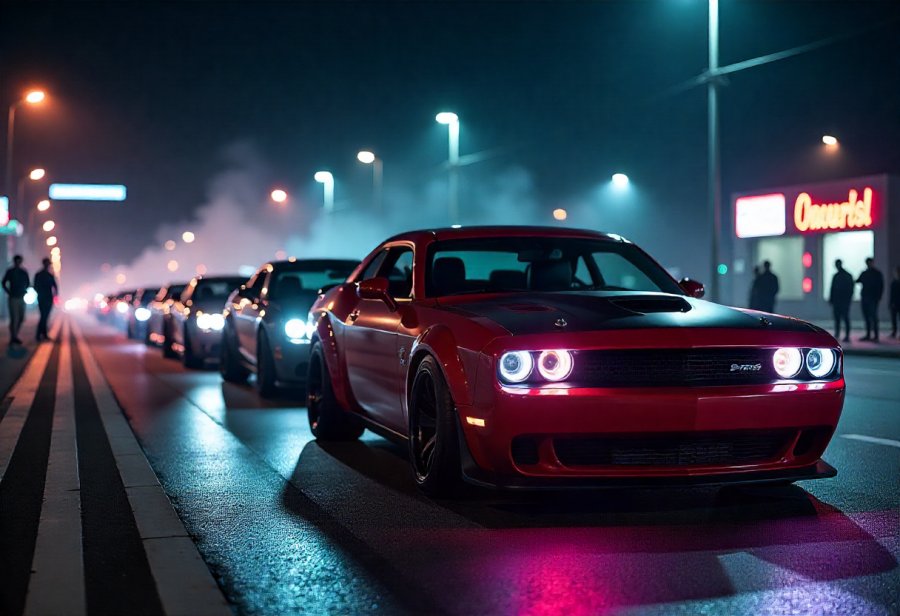
Modern Perspectives: Perception, Media Influence, and the Resilient Spirit of the Scene
Today, underground street racing evokes a mix of admiration and concern, both within the community and from the outside world. For many racers, it remains a vital expression of skill, loyalty, and brotherhood—an authentic extension of car culture that’s been passed down through generations. These clandestine races aren’t just about speed; they’re about forging bonds through shared risk and mutual trust. For enthusiasts, the scene offers a unique sense of belonging and identity, transforming fleeting adrenaline into lifelong friendships rooted in loyalty and support.
Outside the scene, perceptions tend to focus on danger and recklessness. Law enforcement, residents, and safety advocates often see street racing as a threat, highlighting risks of accidents, injuries, and noise disturbances. Media coverage tends to emphasize arrests, crashes, and illegal activities, shaping a largely negative image that can paint the entire culture as reckless or disruptive. This divide fuels ongoing tension—racers feel misunderstood and unfairly targeted, while authorities push for crackdowns that they argue are necessary for safety.
Films like “The Fast and the Furious” have played a significant role in romanticizing underground racing, portraying it as glamorous and rebellious. Viral videos showcase moments of incredible skill and camaraderie but often overlook the deep principles of loyalty, respect, and support that underpin the scene. For insiders, racing is more than a thrill-seeking act; it’s a lifestyle built on trust and brotherhood. While outsiders see chaos, members see a community united by shared values and a collective identity that runs deeper than the asphalt.
Within the community, there’s a strong belief that underground racing is about more than just speed. It’s a social fabric where acts of loyalty—standing by each other during risky races or defending one another from law enforcement—are what truly define the scene. These relationships turn moments of adrenaline into lifelong bonds, creating a resilient culture that persists despite legal and societal pressures. The scene’s strength lies in its ability to adapt while holding onto its core principles of kinship and mutual support.
As the scene evolves, balancing rebellion with responsibility remains crucial. Digital platforms and social media have opened new avenues for connection, allowing crews to organize and showcase their cars more safely and transparently. Some advocates push for sanctioned, legal events that preserve the community’s spirit while reducing risks. Despite ongoing challenges, underground racing endures because its foundation—loyalty, brotherhood, and shared passion—continues to resonate deeply, ensuring its place in urban culture for years to come.
Getting Started: Respect, Relationships, and Safety in the Underground Scene
Getting involved in underground street racing goes beyond showing up at a race; it’s about respecting the scene’s unspoken codes and building genuine relationships. Start by attending local car meets and tuning events where enthusiasts gather to share knowledge and passion. Observing these gatherings reveals the craftsmanship behind modified vehicles and highlights the camaraderie that fuels the community. Listening to experienced racers offers valuable insights into car setup, safety practices, and the social norms that define brotherhood within the scene.
Building trust takes time and humility. Approach the community with respect and a genuine desire to learn. Demonstrate your commitment through consistent, respectful participation—rushing into illegal races or reckless behavior can quickly damage your reputation. Focus on understanding the shared values of loyalty, support, and mutual respect, which are the backbone of the scene. This approach opens doors to mentorship and deeper involvement, enriching your experience and connection.
Prioritizing safety and legality is key. Illegal street races are dangerous, risking injuries, legal trouble, and harm to others. Educate yourself on proper safety gear like helmets and harnesses, and ensure your vehicle is well-maintained and compliant with local laws. Participating in sanctioned events or legal car meets provides a safer environment to enjoy your passion and earn the trust of seasoned members. These settings foster authentic camaraderie rooted in shared standards and responsible enjoyment.
Learning from experienced racers is essential. Many seasoned drivers take newcomers under their wing, sharing technical tips and emphasizing loyalty. These mentorship relationships reinforce that loyalty isn’t just about winning but about standing by your crew through thick and thin. Observing how they tune cars, handle challenges, and support each other highlights the deeper bonds that sustain the scene.
Understanding the risks involved in illegal racing helps you approach the scene responsibly. Reckless driving, unplanned races, and neglecting safety can lead to accidents or arrests. Easing into the culture gradually and respecting community norms ensures your participation remains meaningful and safe. Patience and respect for the unwritten rules help you integrate without disrupting the delicate balance of trust and brotherhood.
Online platforms and social media groups are valuable tools for connection. Many crews organize meetups and races through private channels, which can be safer and more controlled ways to participate. These platforms also serve as resources for tuning advice, safety tips, and community standards. Respecting these channels and maintaining confidentiality builds trust, allowing you to become part of the scene for the right reasons.
Ultimately, engaging with underground racing requires more than technical skill; it’s about embodying loyalty and mutual support. Every act of respect, whether during a race or in daily interactions, strengthens the bonds that define this brotherhood. Building trust and demonstrating commitment turn fleeting moments into lifelong relationships, ensuring the community’s resilience and vibrancy. By embracing responsibility and authenticity, you help preserve the culture’s core values while enjoying the thrill of the ride.
Future of Underground Racing: Balancing Rebellion with Responsibility and Innovation
Underground street racing endures as a powerful symbol of loyalty, brotherhood, and passion for speed. Its roots run deep in urban culture, built on shared experiences, trust, and a collective identity that extends far beyond the act of racing. These clandestine events are more than adrenaline-fueled competitions—they are communities where bonds are forged through acts of support, mutual respect, and unwavering loyalty. The fleeting thrill of a race transforms into lifelong relationships, creating a resilient culture that thrives on kinship and shared risk.
Looking ahead, the future of underground racing depends on balancing rebellion with responsibility. Advances in technology and shifting social attitudes open pathways to safer, legal alternatives that can preserve the core spirit of brotherhood. Organized, sanctioned events could channel enthusiasts’ passions into controlled environments, reducing dangers while fostering camaraderie. This evolution offers a chance to sustain the community’s essence without sacrificing safety or public trust.
Despite increasing law enforcement scrutiny, the scene’s resilience lies in its adaptability. Digital platforms and social media connect crews across borders, enabling them to organize, share knowledge, and showcase their cars responsibly. These tools help uphold traditions while promoting transparency and safety, ensuring the culture remains relevant and vibrant. By embracing innovation without abandoning core values, the scene can evolve while maintaining its identity.
The bonds that define underground racing are rooted in acts of loyalty, mutual support, and trust. Whether defending a crew member during police raids or mentoring newcomers, these relationships are the backbone of the community’s strength. Speed may draw people in, but it’s the brotherhood built through shared acts of loyalty that sustains the culture through challenges and change.
Preserving this spirit calls for a shift toward safer practices and legal alternatives that honor the scene’s traditions. Encouraging responsible participation, fostering community-led safety initiatives, and promoting open dialogue can help protect lives and neighborhoods without eroding the sense of kinship that makes underground racing special. This balance can ensure the scene’s vitality for generations to come.
As the scene continues to evolve, embracing responsibility while honoring its roots remains essential. Loyalty, support, and shared passion are more than just words—they are the foundation of a culture that refuses to fade. By adapting to new realities and emphasizing safety and community, underground racing can sustain its unbreakable bonds, ensuring that the brotherhood endures well into the future.
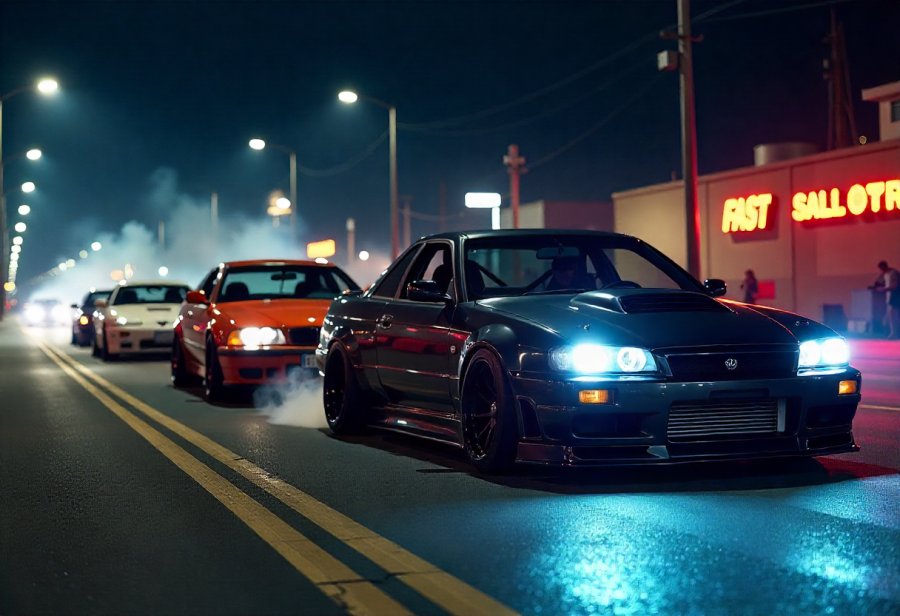
The Brotherhood of Street Racing: Loyalty, Night Runs, and Shared Secrets
Underground street racing is more than just a competition of speed; it’s the foundation of a brotherhood built on loyalty, trust, and shared experiences. These relationships extend far beyond the asphalt, creating a social fabric where mutual respect and support are as vital as horsepower. Night racing, in particular, acts as a ritual that cements these bonds, as crews gather in secret spots to push their limits and celebrate victories together. The camaraderie thrives on collective knowledge—modifying cars, sharing tuning secrets, and learning from seasoned racers—fostering a culture rooted in collaboration and kinship.
Acts of loyalty define this scene. Members stand by each other during risky races, cover for one another when law enforcement is near, and share successes as if they were family. These unwavering acts of support deepen trust, transforming fleeting adrenaline rushes into lifelong connections. The unspoken codes—respect, support, and loyalty—are the glue that keeps crews united even amid danger and legal threats.
Night racing strengthens these bonds, creating moments of exclusivity and shared purpose. Whether tuning cars together or defending each other from authorities, the environment of high-octane action fuels a collective identity rooted in brotherhood. These experiences forge memories and traditions that reinforce loyalty, making the scene more than just about cars—it’s about a family that stands together against all odds.
Street car culture further solidifies this kinship. Enthusiasts bond over modifying vehicles, exchanging secrets about performance upgrades, and celebrating craftsmanship. Working side by side on cars fosters trust and camaraderie, transforming individual hobbies into a shared passion. These acts of craftsmanship and collaboration build a resilient community that supports and sustains itself through mutual respect.
At its core, underground racing isn’t solely about pushing speed limits; it’s about forging lifelong bonds through acts of loyalty, shared risks, and collective support. The secrets kept in shadows, late-night runs, and unwavering trust form a complex web that sustains the scene. This high-octane kinship, rooted in brotherhood, ensures that even in the face of legal and societal pressures, the bonds remain unbreakable, keeping the community alive and thriving.