Learning to ride a bike encapsulates more than just balancing on two wheels—it’s a profound journey of courage, resilience, and family bonding. The scene is set with wobbles, falls, and triumphant rides that reveal how children overcome fears and develop confidence through perseverance. But does the fear of falling outweigh the thrill of independence? As young riders wobble and stumble, they learn that setbacks are natural and vital to growth, especially when supported by patient caregivers. This emotional voyage teaches patience, persistence, and self-trust—lessons that extend beyond the driveway into life’s broader challenges. The experience fosters physical skills, independence, and social bonds, shaping resilient, curious, and adventurous minds. Ultimately, mastering cycling becomes a powerful metaphor for navigating life’s obstacles, reinforcing that with support and determination, setbacks become stepping stones toward confidence and new horizons. Are these lessons in perseverance worth facing the fear of falls? Absolutely.
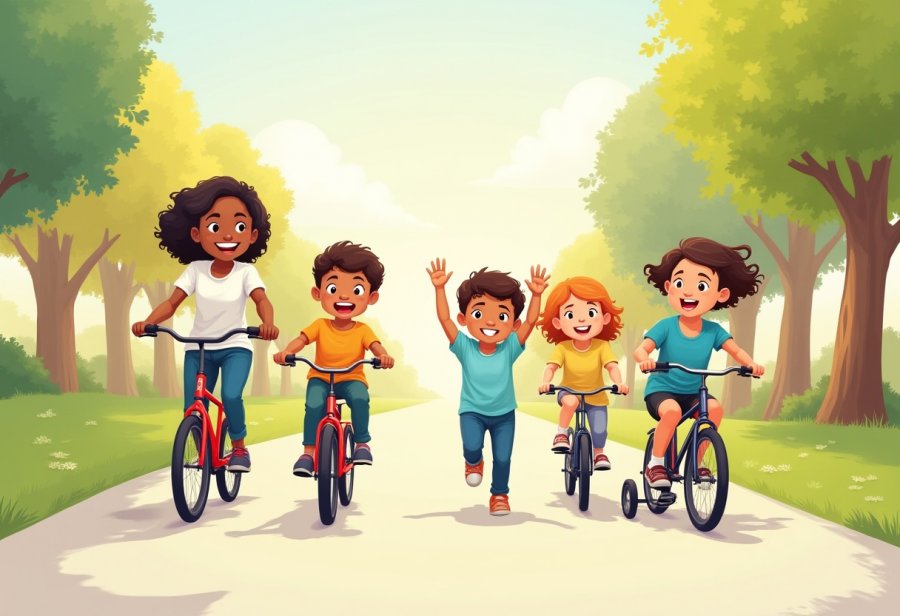
The Journey to Independence Begins: Learning to Ride a Bike
Learning to ride a bike is a milestone that sticks with children and families alike. It’s a moment filled with anticipation, wobbling starts, and triumphant smiles—an experience that marks a turning point in a child’s journey toward independence. For kids, the act of balancing on two wheels transforms the abstract idea of freedom into a tangible reality, opening doors to new adventures and self-confidence. For parents and caregivers, witnessing that first successful ride sparks pride and a deep sense of shared achievement.
This process isn’t just about mastering balance or coordination; it’s about navigating fears and building resilience. The first few attempts often involve hesitation and wobbling as children learn to trust their own abilities. Supportive guidance from adults turns those moments of uncertainty into opportunities for growth, reinforcing that falling isn’t a failure but a natural part of learning. It’s these small setbacks that teach children patience, persistence, and the importance of trying again.
Choosing the right bike and a safe, open space makes all the difference. A well-fitted bike provides comfort and confidence, while a flat, familiar environment offers a secure setting for practice. Many children start with training wheels, which give a sense of stability as they learn to pedal and steer. As their skills improve, removing the training wheels becomes the next challenge—trusting their balance and control on their own.
The emotional rollercoaster of learning to ride is what makes it memorable. The pride of pedaling unaided, the tears after a fall, and the exhilaration of riding solo for the first time all contribute to a lasting sense of achievement. Caregivers who stay calm and encouraging during setbacks help children develop a growth mindset—viewing mistakes as part of the journey rather than obstacles. These moments forge resilience and foster a positive attitude toward challenges.
Practicing in familiar, safe areas with protective gear reduces fears and boosts confidence. Helmets, pads, and gentle reassurance make falls less intimidating, allowing children to focus on improvement rather than worry. With each wobble and stumble, they learn that effort and perseverance lead to progress, transforming initial hesitation into steady confidence. These early lessons in overcoming difficulty lay a foundation for tackling future obstacles with courage.
Learning to ride a bike is more than just a physical skill; it’s an emotional voyage that teaches patience, persistence, and self-trust. Every wobble and fall becomes part of a broader story of growth, shaping how children approach challenges in all areas of life. When children are supported and celebrated, they discover that perseverance and confidence can turn even the most daunting tasks into rewarding adventures.
Step-by-Step: Navigating the Challenges of Teaching a Child to Ride
Teaching a child to ride a bike involves a mix of patience, guidance, and lots of trial and error. It usually starts with selecting a bike that fits their size and confidence level—something easy to handle and comfortable to ride. Many parents begin with training wheels, which help kids focus on balancing and pedaling without the fear of falling. As their skills improve, those training wheels are slowly removed, making room for the real challenge: trusting their own balance and coordination.
This process isn’t without hurdles. Kids wobble, stumble, and sometimes fall, which can be frustrating or even scary for them. These moments are natural, but they can shake a child’s confidence if not handled carefully. Supportive parents who celebrate small victories and offer reassurance turn setbacks into learning opportunities. A steady hand on the seat or a quick catch can prevent tumbles, but more importantly, they teach children that making mistakes is part of growing and learning.
The emotional moments during this journey are often as memorable as the physical milestones. The first time a child pedals without support sparks pride and independence, while a fall might bring tears or doubts. Staying calm and positive helps turn these emotional peaks and valleys into stepping stones. Praising effort over perfection and emphasizing progress keeps children motivated, fostering a growth mindset that sees setbacks as temporary and normal.
Practicing in familiar, open spaces with protective gear is key. Flat surfaces and safe environments give children the freedom to experiment and build confidence without external pressures. Helmets and pads provide a sense of security, making falls less intimidating and encouraging kids to try again. Over time, they learn to manage their own risks, gaining independence and feeling more in control of their learning process.
Every wobble or tumble is a step forward, not a failure. With each attempt, children discover that perseverance and patience lead to progress. These small victories, accumulated over time, transform hesitation into confidence. Supporting them through these moments helps turn fears into motivation, reinforcing that setbacks are just part of the journey toward mastery and independence.
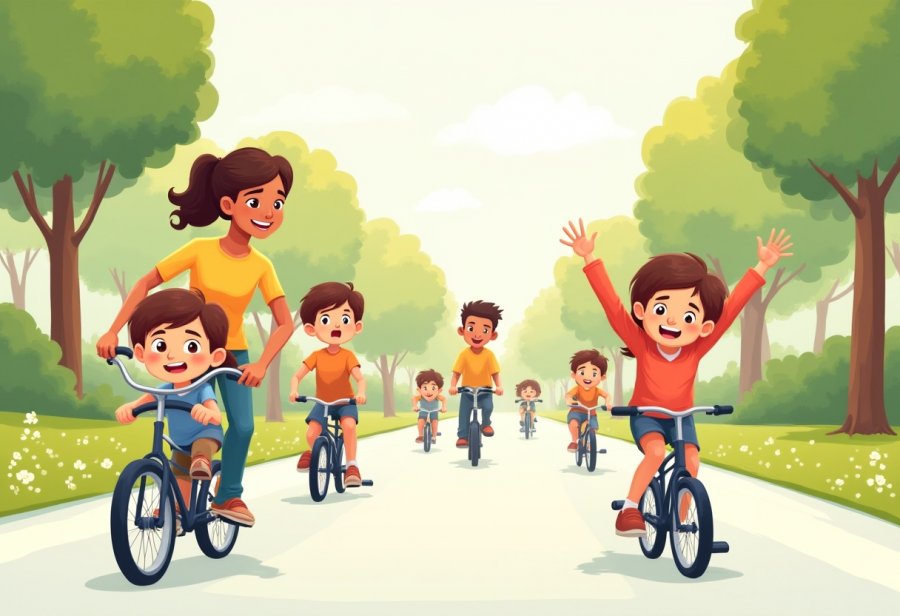
Overcoming Fears and Setbacks: Confronting Challenges in Bike Learning
Learning to ride a bike comes with its fair share of challenges and emotional hurdles that can test both kids and parents. One of the most common fears is the worry about falling. Children often hesitate to try or give up early because they’re afraid of getting hurt, especially if they’ve seen scraped knees or minor tumbles. Recognizing this fear as normal and reassuring kids that falls are part of learning can help them see setbacks not as failures but as temporary steps toward mastery.
Physical coordination is another hurdle. Balancing on two wheels requires a delicate mix of muscle control, spatial awareness, and timing. When wobbling or stumbling happens, it can be discouraging, especially if children compare themselves to peers who seem to pick it up faster. Patience and positive reinforcement are key in these moments. Supporting children with gentle guidance and celebrating small improvements help them understand that progress often comes in small, steady steps.
Falls and minor injuries are almost unavoidable during this process. Scrapes and bruises might cause anxiety, making children wary of trying again. Wearing protective gear like helmets and pads doesn’t just prevent harm—it also provides peace of mind, allowing kids to focus on practicing rather than worrying about getting hurt. As they experience falls and recover, they learn that injuries are temporary and manageable, building resilience and confidence.
Social pressures can add another layer of difficulty. Kids often worry about falling in front of friends or siblings, which can lead to hesitation or reluctance to practice openly. Creating a supportive environment at home or in familiar spaces encourages children to focus on their own progress rather than external judgments. When effort is valued more than immediate skill, children become more willing to face their fears and keep trying despite setbacks.
Emotional setbacks, like tears after a tumble or frustration over slow progress, are natural parts of learning. Staying calm and encouraging helps transform these moments into opportunities for growth. Praising effort over perfection and emphasizing patience teach children that persistence is more important than immediate success. This mindset fosters resilience and helps them develop a positive attitude toward overcoming difficulties.
The learning curve isn’t smooth, and feelings of doubt can creep in. Some kids may feel overwhelmed by the physical demands or discouraged by setbacks. Supportive guidance and reassurance help them see that struggling is normal and that persistence will pay off. Encouraging them to take breaks when needed and celebrating small wins keeps motivation high and prevents frustration from taking over.
Finally, managing risks is crucial. Children need to learn their limits without feeling restricted. Gradually increasing practice time in safe, familiar environments helps them develop confidence and control. Overcoming fears of falling involves a combination of patience, support, and safe spaces—each step reinforcing that setbacks are just part of the journey toward independence.
Learning to ride a bike is as much an emotional challenge as it is a physical skill. Facing fears, managing frustrations, and overcoming setbacks build resilience that extends beyond the driveway. These hurdles teach kids that persistence and support turn obstacles into opportunities, shaping their confidence to face future challenges with courage.
Beyond Pedals: How Bike Riding Lessons Transform Life Skills
Learning to ride a bike isn’t just about balancing on two wheels; it’s a skill that quietly shapes many aspects of a child’s life. When kids push through wobbling, falling, and slow progress, they learn that effort and patience are essential for reaching their goals. These lessons in perseverance build resilience, showing children that setbacks are temporary and that persistence pays off. This mindset of determination becomes a foundation for handling challenges in school, friendships, and new experiences outside the bike lane.
Riding a bike also fosters independence. As children realize they can navigate their neighborhood or visit friends on their own, their confidence grows. This sense of autonomy encourages decision-making and a willingness to explore new opportunities. Over time, this independence nurtures a mindset that approaches challenges with curiosity and optimism, knowing they can manage what comes next.
The physical act of balancing and steering develops coordination and spatial awareness, skills that benefit many other activities like sports or dance. As children become more comfortable on two wheels, they often feel less intimidated by physical tasks, making them more eager to try new things. This physical confidence supports overall motor development and helps children see their bodies as capable and adaptable.
Beyond the physical benefits, learning to ride creates opportunities for social bonding. Practicing with family or friends, sharing encouragement, and celebrating milestones together reinforce the importance of teamwork and patience. When children see their peers riding confidently or cheer each other on, they understand that growth is often a collective journey. These shared moments deepen their sense of community and support.
Riding also fosters an appreciation for outdoor exploration and environmental awareness. Kids who learn early often develop a love for nature and an active lifestyle. They begin to see the world as full of adventures and feel a sense of responsibility for their surroundings. These habits of outdoor activity and environmental respect can shape lifelong attitudes toward health and sustainability.
Finally, the confidence and resilience gained from mastering cycling serve as a metaphor for life’s bigger challenges. Facing fears, pushing through discomfort, and trusting in oneself become habits that help kids navigate the ups and downs ahead. The simple act of riding a bike becomes a symbol of embracing life’s challenges with an adventurous spirit, reminding us that the most valuable lessons often come from falling and getting back up.
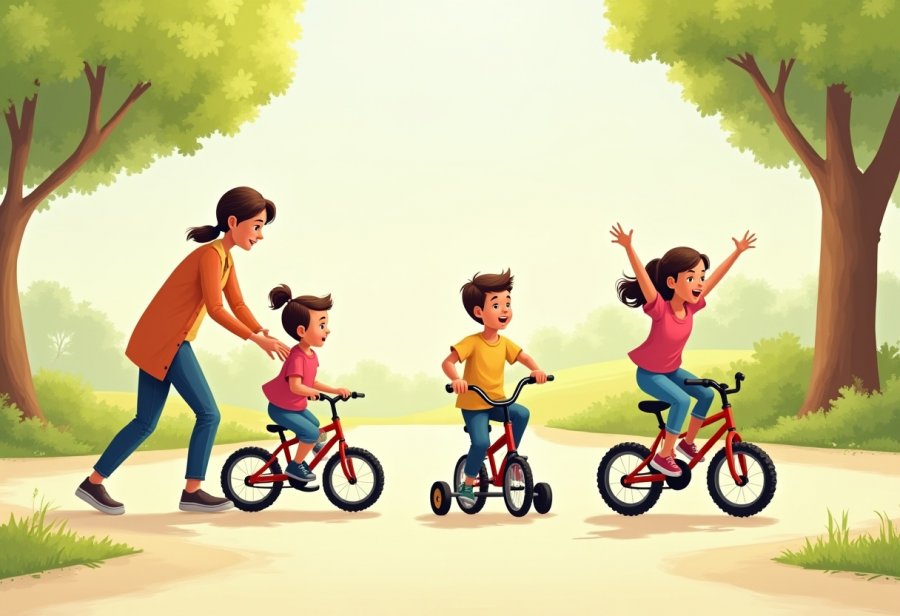
From Balance to Growth: Reflecting on Teaching Children to Ride
Learning to ride a bike goes beyond just balancing on two wheels; it’s a powerful lesson in resilience, patience, and self-trust that shapes how children face challenges throughout their lives. The falls, wobbling, and small victories along the way teach that perseverance is key, transforming setbacks into stepping stones toward independence. These moments of struggle and triumph build a mindset that setbacks are temporary and that persistence will lead to progress.
Support from caregivers turns these emotional hurdles into opportunities for growth. When children are encouraged and their efforts celebrated, they learn to see mistakes not as failures but as vital parts of learning. This shift in perspective fosters confidence and resilience, qualities that extend far beyond the driveway and into future endeavors. It’s about understanding that every stumble is part of the journey, and that trusting oneself to keep trying is what truly matters.
The experience of mastering a bike cultivates independence. As children navigate their neighborhood or visit friends on their own, they realize their own capability. This confidence encourages them to explore new opportunities and approach challenges with curiosity rather than fear. The physical skills—balance, coordination, and spatial awareness—become tools for growth, making other activities more accessible and enjoyable.
Beyond the individual benefits, riding a bike often becomes a social and environmental activity that deepens bonds. Practicing with family or friends, sharing milestones, and celebrating progress foster a sense of community and support. Additionally, developing a love for outdoor exploration instills a lifelong appreciation for nature and an active lifestyle, shaping attitudes towards health and sustainability.
The lessons learned from bike riding serve as a metaphor for life itself. Facing fears, pushing through discomfort, and trusting in one’s abilities become habits that help children navigate the inevitable ups and downs ahead. Each fall and recovery reinforce that resilience and effort are more important than immediate success, preparing them to handle future obstacles with courage and optimism.
In the end, learning to ride a bike isn’t just about mastering balance—it’s about discovering that persistence, support, and self-belief turn challenges into opportunities. These experiences teach children that growth often comes from falling and getting back up, shaping a resilient outlook that will serve them well in all areas of life. The journey of riding a bike becomes a lasting symbol of courage, independence, and the joy of overcoming fears.