Embarking on a DIY computer upgrade is often a comedic chaos — tangled cables, misplaced screws, and unexpected mishaps turn a simple task into a hilarious adventure. Despite careful planning, hardware conflicts, and clumsy mistakes are inevitable, transforming your workspace into a battleground of frustration and laughter. Yet, these misadventures offer invaluable lessons in patience, troubleshooting, and resilience, making every successful boot a triumphant story worth sharing. Are you ready to navigate this unpredictable journey, where chaos becomes a catalyst for learning and confidence? With strategic preparation, organized tools, and a calm mindset, you can tame the mess and turn a potentially daunting project into a rewarding experience. Ultimately, the chaos not only tests your skills but also injects humor and humanity into the process — proving that even in the mess, there’s mastery to be gained.

DIY Computer Upgrades: Embrace the Chaos and Turn Mistakes into Memories
Upgrading your computer on your own can feel like stepping into a comedy of errors. What seems like a straightforward task—adding more RAM, swapping out a hard drive, or installing a new graphics card—quickly turns into a chaotic adventure. Cables twist and turn, forming knots that resemble a spaghetti dinner gone wrong, and your workspace becomes a cluttered battlefield of screws, tools, and parts. It’s almost inevitable that something will slip or go missing, adding a humorous twist to the process.
Many DIY enthusiasts dive into upgrades motivated by the desire for control, customization, and the satisfaction of doing it themselves. But the reality often involves unexpected hurdles—compatibility issues, hardware mishaps, or just plain clumsiness. Trying to squeeze a large graphics card into a tiny case can turn into a frustrating puzzle, especially when specs online suggest it should fit fine. These moments of misfit and mistake are universal and often become funny stories you’ll laugh about later.
The chaos extends beyond cables and hardware. Sometimes, a screw rolls off the desk just as you’re about to close everything up, or a component slips from your fingers and hits the floor with a loud clatter. Accidentally knocking over a drink onto your open case adds an unexpected splash of chaos—reminding you that even careful planning can go sideways. These mishaps might halt your progress momentarily, but they often become memorable anecdotes that highlight the unpredictable nature of DIY projects.
Troubleshooting is another part of the comedy. Hours can be spent trying to figure out why your system isn’t recognizing a new component, only to discover a loose cable or an improperly seated part. These misadventures often seem like a comedy of errors, yet each mistake teaches patience and persistence. Once everything finally powers up and runs smoothly, the sense of achievement makes all the chaos worthwhile, reinforcing that the process is as much about learning as it is about upgrading.
Despite the mess and mishaps, there’s a certain charm in the unpredictable journey of DIY upgrades. Every tangled cable, hardware error, or accidental slip adds to the story. These moments serve as a reminder that perfection isn’t the goal—progress is. The humor that emerges from the chaos makes the experience more relatable and less intimidating for anyone considering their own upgrade. After all, anyone who’s ever tinkered with their PC knows that sometimes, the best stories are born from the mess.
The Hilarious Reality of Tech Upgrade Chaos: Expect the Unexpected and Laugh Through It
Upgrading your computer yourself often feels like starring in a slapstick comedy. No matter how carefully you plan, tangled wires seem to develop a mind of their own, looping into knots that look like a spaghetti dinner gone wrong. Organizing these cables afterward becomes a frustrating game of puzzle-solving, where the pieces keep shifting just when you think you’ve got it figured out. The sight of a jumble of wires more resembles an abstract art installation than a tidy setup, and it’s easy to get caught up in the chaos.
Hardware mishaps are just as unpredictable and often just as funny. You might carefully slot in a RAM stick only to realize it’s in the wrong slot, or mount a graphics card slightly off, causing the entire system to refuse to turn on. Sometimes, a power cable isn’t fully plugged in, and your shiny new upgrade powers up with no display, leaving you scratching your head. These mistakes, although frustrating in the moment, tend to become hilarious stories later, reminding you that even simple upgrades can turn into comedy routines.
The chaos goes beyond cables and hardware. There’s the classic moment when a screw rolls off the desk just as you’re about to close everything up, or a component slips from your fingers and hits the floor with a loud clatter. If you accidentally knock over a drink onto your open case, you’re met with a splash of chaos that’s equal parts disaster and comedy. These moments can halt your progress, but they also add memorable chapters to your DIY journey—stories you’ll laugh about long after the project is done.
Troubleshooting feels like a game of hide-and-seek, with the problem always just out of reach. Hours can be spent trying to figure out why your system isn’t recognizing a new component—only to find a loose cable or a RAM stick not fully seated. Sometimes, a tiny oversight causes the whole build to stall. The more you troubleshoot, the more you realize that most errors boil down to simple, overlooked details. And once everything finally fires up, the sense of triumph makes all the chaos worthwhile.
Every slip-up, tangled wire, or missing screw adds a layer of humor and humanity to the experience. These mishaps serve as reminders that perfection isn’t the goal—progress is. The mess and mistakes become part of the story, making DIY upgrades more relatable and less intimidating. After all, anyone who’s ever tinkered with a PC knows that sometimes, the best stories are born from the chaos and the messes that come with it.
Navigating the Mess: Practical Tips to Manage and Avoid Common Pitfalls
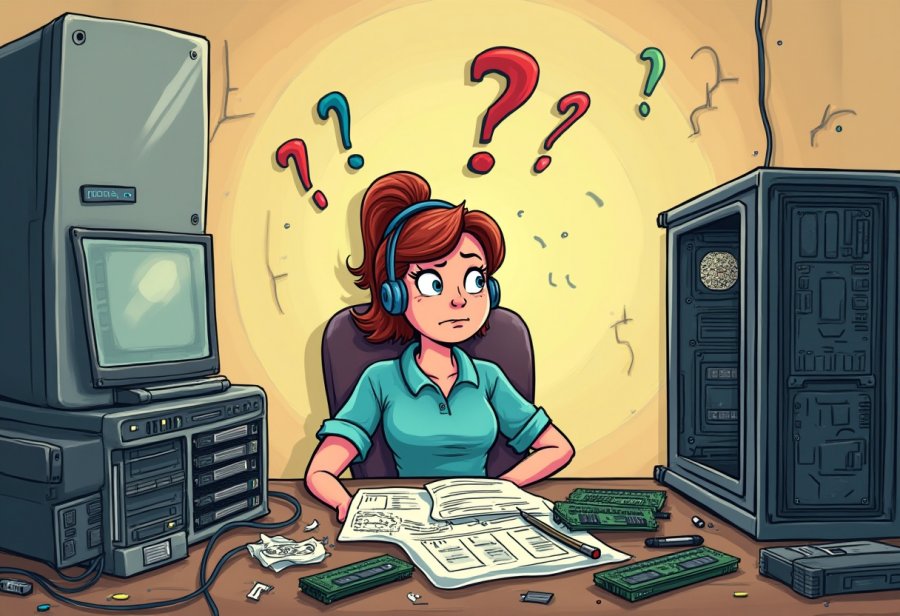
Before diving into your upgrade, a little planning can go a long way in keeping the chaos at bay. Double-check that all your parts are compatible—nothing derails progress faster than discovering your new RAM won’t fit or your power supply isn’t sufficient. Take time to read manuals, watch tutorials, and browse forums to identify potential issues before they become headaches. Creating a checklist of tools and components helps keep you organized, preventing last-minute scrambling that often leads to mistakes. A tidy workspace isn’t just about looks; it makes tracking screws, cables, and parts much easier, reducing the risk of losing something important amidst the clutter.
Cable management is crucial when dealing with a mountain of wires. As you disconnect and reconnect, keep cables neat from the outset. Using zip ties or velcro straps to bundle wires not only creates a cleaner look but also simplifies routing and troubleshooting later on. Labeling cables with small tags or masking tape can save time when reconnecting, especially in complex setups. Taking photos of your current wiring setup provides a clear reference, making reassembly smoother and more accurate. Working in stages—connecting or disconnecting one group of cables at a time—helps prevent confusion and accidental disconnections, turning what could be a tangled mess into a manageable process.
Patience remains your best tool. Rushing through steps increases the chance of damaging sensitive hardware or overlooking key details. Slow, deliberate work—double-checking connections, seating components properly, and verifying compatibility—pays off with a stable, reliable system. If you encounter issues, resist the urge to force solutions. Instead, pause, troubleshoot calmly, and re-examine your work. Often, problems stem from simple oversights like loose cables or improperly seated RAM. Taking your time to verify every connection minimizes errors and keeps the process smooth.
When installing hardware, verify all connections before powering up. Make sure RAM sticks are fully seated, power cables are secure, and expansion cards click into place. Small details like these are easy to overlook but can cause boot failures or system instability. Consult your hardware manuals or online guides if you’re unsure about a step. If something isn’t working, retrace your steps systematically—sometimes reseating a component or tightening a screw is enough to fix the issue. Patience and attention to detail are your best allies here, saving you hours of troubleshooting later.
Troubleshooting often feels like chasing a ghost, with the culprit hiding just out of sight. Testing components one at a time, starting with the basics, helps identify the problem quickly. Check for error beeps or diagnostic LEDs for clues, and avoid forcing parts or rushing fixes. A loose cable or a misaligned component is usually the root cause. When you find the issue, fixing it becomes straightforward, and everything falls into place. Staying calm and methodical makes the process less stressful and more efficient.
Keep your workspace organized and your mind calm throughout. Small steps—routing cables along designated pathways, labeling connections, and documenting your setup—transform potential chaos into clarity. If things don’t go as planned, take a breath, step back, and revisit your work with fresh eyes. Mistakes are part of the learning curve; each one offers an opportunity to improve your skills. Patience, preparation, and a steady approach turn what could be a frustrating ordeal into a rewarding experience.
Finally, remember that every successful upgrade boosts your confidence. Celebrating small victories—like a properly seated RAM or a system that boots without errors—reinforces your growing skills. Over time, what once seemed complicated becomes second nature. Embrace the chaos as part of the process, knowing it’s leading you to become more adept and self-reliant. With careful planning and a calm mindset, navigating the mess turns into a satisfying journey of learning and achievement.
Learning from Experience: Expert Advice to Make Your Upgrades Smoother and Smarter
When it comes to successful DIY upgrades, experience truly is the best teacher. Seasoned enthusiasts often emphasize that thorough research before starting can save hours of frustration later. Spending a few minutes to read manuals, watch tutorials, or browse forums helps you spot potential pitfalls and avoid common mistakes. Compatibility issues are a frequent source of headaches, so double-check every part’s specifications and requirements beforehand. It’s far better to verify early than to troubleshoot a mismatch after everything is assembled.
Organizing your workspace and tools before you begin makes a noticeable difference. A cluttered desk leads to lost screws, misplaced cables, and unnecessary stress. Using small containers or labeled zip ties to keep screws and wires sorted keeps everything within reach and reduces chaos. When your environment is tidy and everything is in its place, it’s easier to focus, work efficiently, and prevent accidental mishaps. A clean setup minimizes mistakes and keeps your mind clear throughout the process.
Patience remains one of the most valuable tips from experienced DIYers. Rushing increases the risk of damaging delicate components or overlooking crucial details. Take your time to carefully seat each part, verify connections, and follow instructions step by step. Moving deliberately not only prevents hardware damage but also ensures your system functions correctly once powered on. If you hit a snag, pause, troubleshoot calmly, and re-examine your work. Often, a loose cable or improperly seated RAM is the culprit, and a measured approach makes fixing straightforward.
Many experts suggest testing components individually during assembly. Install one part at a time and power up to confirm it works before proceeding. This method helps catch issues early, saving hours of troubleshooting and giving you confidence that each step is successful. It’s a simple strategy that can prevent a cascade of problems later on, making the entire upgrade smoother and less stressful.
Learning from mistakes is fundamental. Keep notes on what worked well and where you faced challenges, then adjust your approach for next time. Whether it’s choosing better tools, verifying compatibility more carefully, or taking more time to double-check connections, these lessons build your skills. Over time, you’ll develop an intuitive sense of what to look for and how to avoid common pitfalls, making future upgrades faster and more confident.
Building confidence is a gradual process rooted in these experiences. As you gain hands-on knowledge, the once-daunting tasks become familiar routines. You’ll start to trust your judgment, making decisions more quickly and with less second-guessing. Each successful upgrade reinforces your skills and encourages you to take on more complex projects, transforming frustration into satisfaction.
Finally, embrace patience and persistence as your guiding principles. Hardware can be finicky, and setbacks happen—even to the most experienced DIYers. When things go wrong, stay calm, revisit your setup, and troubleshoot systematically. Often, the fix is a simple oversight—a loose cable or a misaligned component. Each small fix adds to your confidence and expertise, turning setbacks into stepping stones. With time, these lessons will make your future upgrades more straightforward, rewarding, and even enjoyable.
Confidently Upgrade Your PC: Summing Up, Preparing, and Taking the Leap
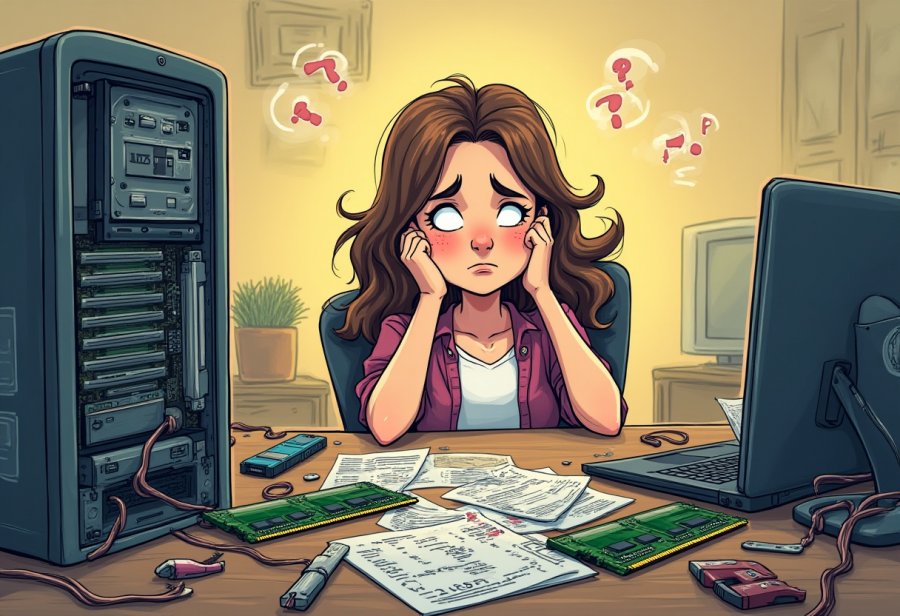
Jumping into a DIY computer upgrade can feel intimidating at first, but with the right approach, it quickly becomes an achievable and rewarding project. The key is thorough preparation—double-checking part compatibility, reading manuals, and planning each step before you start. Organizing your workspace and tools ahead of time can transform potential chaos into a smooth process, making it easier to stay focused and patient when challenges arise. Remember, a little extra effort upfront saves you from unnecessary frustration later on.
Patience is your best ally throughout the upgrade journey. Rushing can lead to hardware damage or overlooked details that cause headaches down the line. Moving slowly and double-checking connections, seating components properly, and verifying compatibility ensures a stable build. Mistakes happen even to seasoned DIYers, but viewing them as part of the learning process keeps frustration at bay and builds confidence. Taking your time not only prevents errors but also makes the experience more enjoyable.
One of the most satisfying aspects of upgrading your own PC is witnessing the tangible results of your effort—faster performance, better graphics, or simply the pride of doing it yourself. Each successful step boosts your confidence and skills, encouraging you to take on more complex projects in the future. Over time, what once felt daunting becomes second nature, and you’ll find yourself troubleshooting or upgrading with ease and enjoyment.
Remember to test each component individually during assembly. Power up after installing each part to confirm it works before moving on. This approach makes troubleshooting more straightforward if issues come up, saving you hours of frustration. Keeping your workspace tidy, labeling cables, and documenting your setup helps turn potential chaos into clarity. These small habits make a big difference in streamlining the process and ensuring a successful upgrade.
Finally, embrace the journey—every mistake, every triumph, and every lesson learned is part of building your skills and confidence. Patience, preparation, and a sense of humor turn what could be a stressful task into a fulfilling experience. With each project, you grow more capable, more confident, and more excited about what you can accomplish on your own. So dive in, stay calm, and enjoy the satisfaction of building something with your own hands.
